


Eating With ADHD: Why Meals Disappear From the Day
It is three in the afternoon, you have not eaten, and you are furious about something small without being able to work out why.
It is three in the afternoon, you have not eaten, and you are furious about something small without being able to work out why.
On Friday the weekend was full of plans. On Sunday evening you had done none of them - and somehow you had not rested either.
The office gave you structure you never had to build. At home, nothing starts the day, nothing ends it, and nobody notices either way.
The goal is not to love dawn. It is to have mornings that do not hurt - and that turns out to be a much more achievable target.
The internet version takes six hours and a matching label maker. The useful version takes ninety minutes with a timer, and it changes how Monday feels.
You left in plenty of time and arrived late again. Chronic lateness is not carelessness - it is three separate mechanical failures that happen to end in the same place, and each one has its own fix.
You know it takes eight minutes and you know you will feel better, and it has still been three days. Here is why hygiene is genuinely hard with ADHD, and the shame-free way to make it happen anyway.
Staying up far too late scrolling, watching or gaming isn't always about not being tired — sometimes it's the only free time the day gave you. Here's why that trade backfires, and how to claim the time earlier instead.
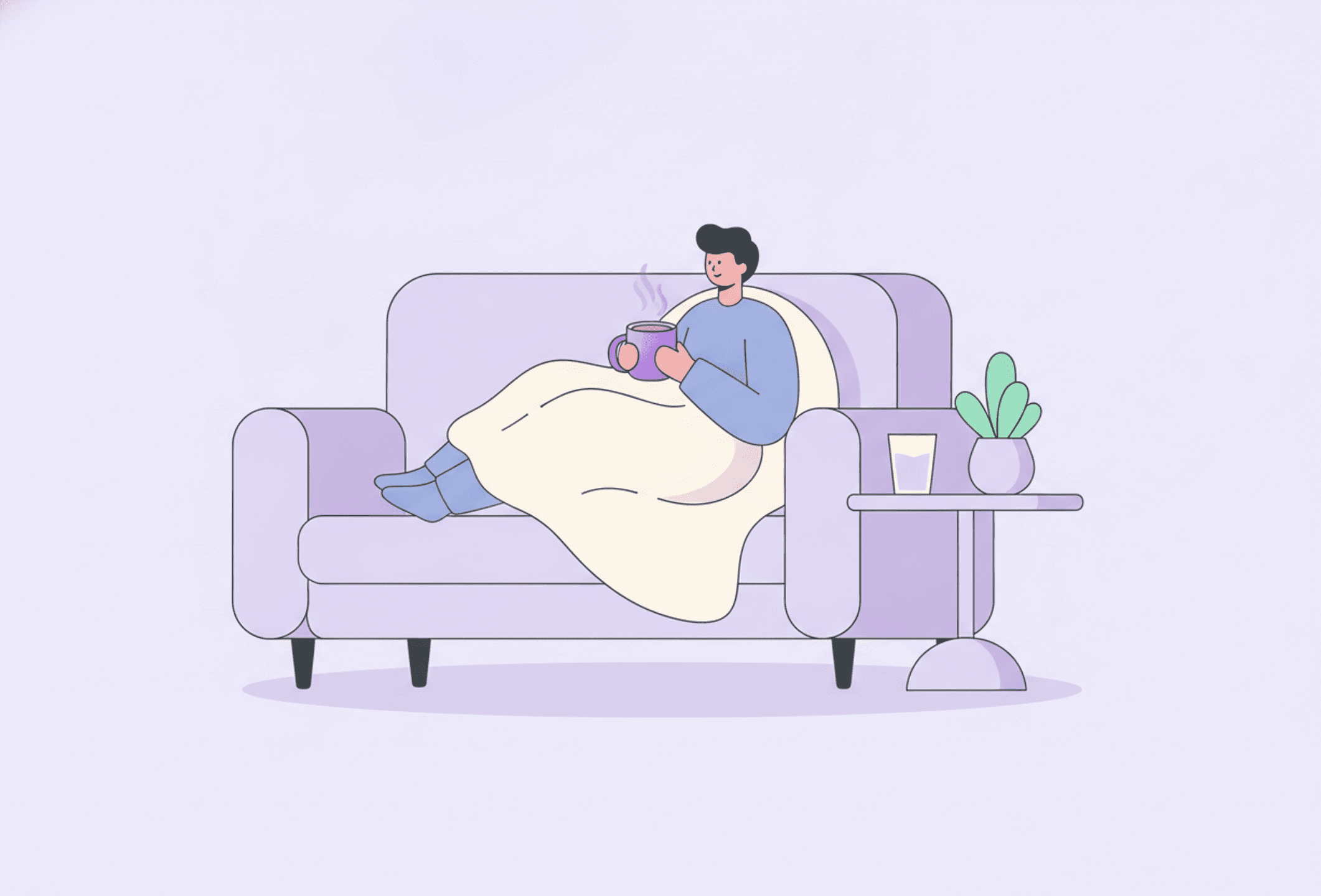
Self-care keeps losing to everything with a deadline. Here's a realistic version for ADHD brains: a small floor of non-negotiables, planned like appointments, with a bad-day minimum.
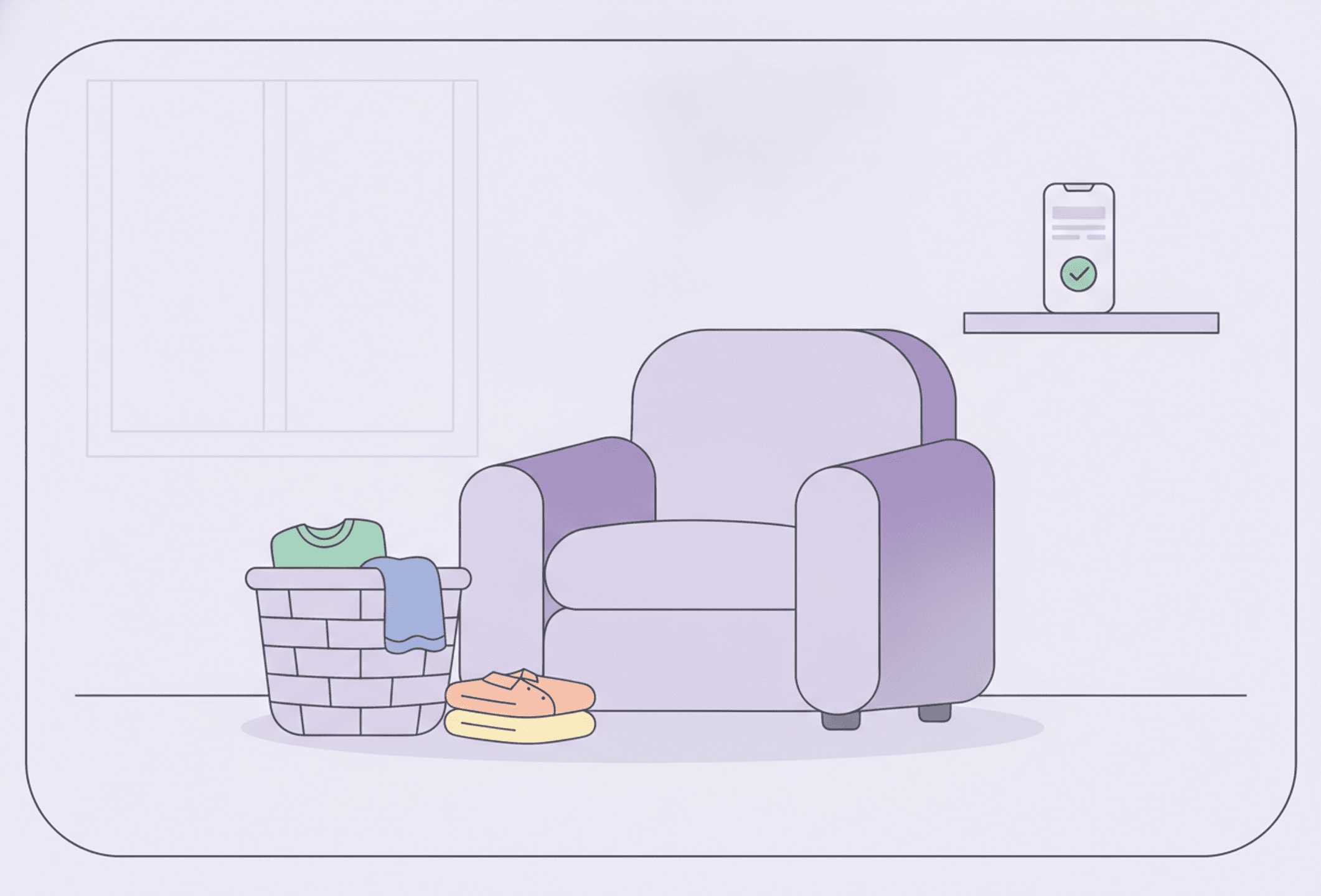
Every doom pile is a stack of decisions you haven't made yet, not proof of laziness. Here's why ADHD builds them and how to clear one in about fifteen minutes.

A knotted stomach or a racing mind before the day has even started is common, and it has real causes. Here's why mornings spike anxiety, and what actually helps calm them.
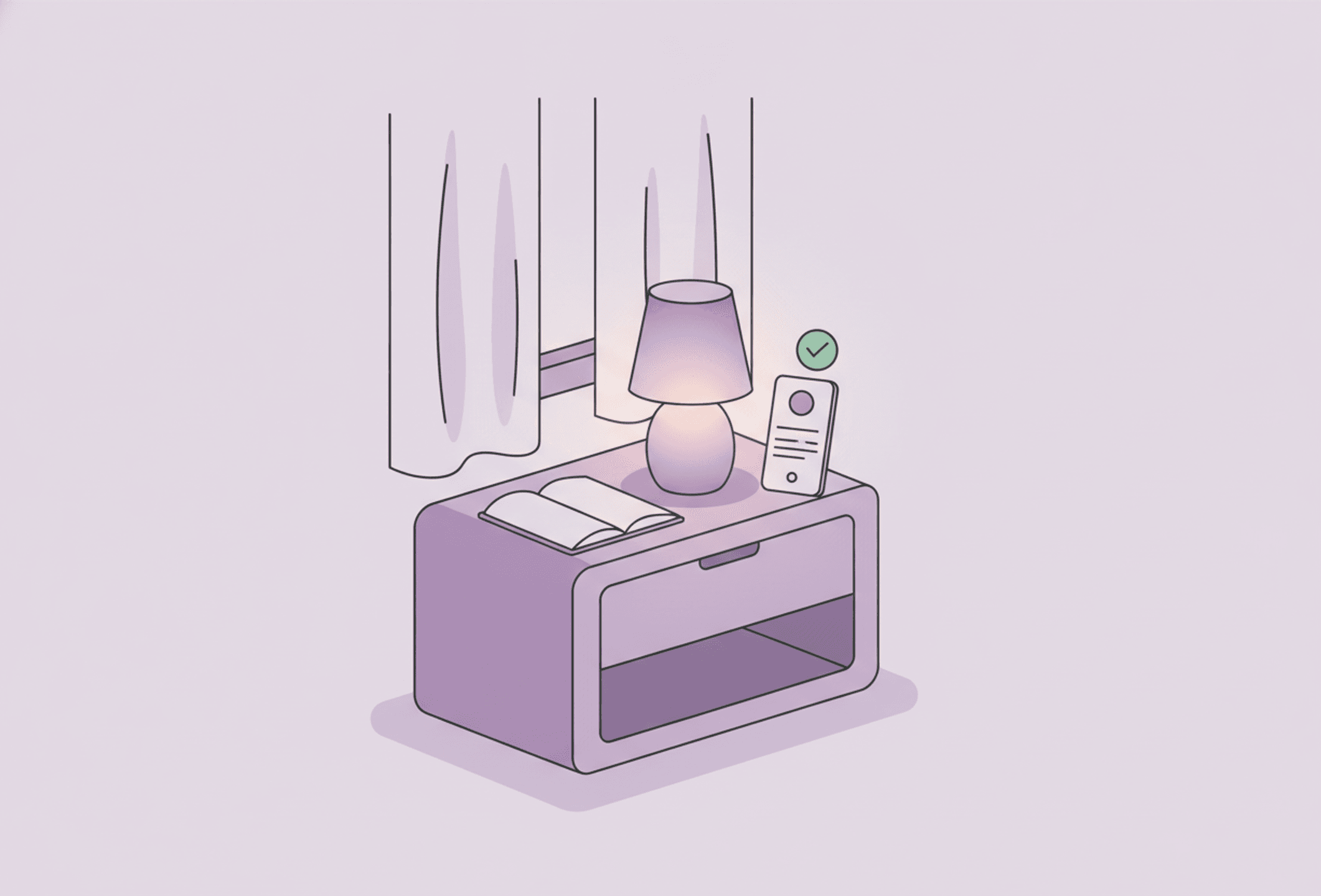
You're exhausted at nine and wide awake at eleven. The wind-down hour is a transition, and transitions are exactly the thing ADHD brains need help with.
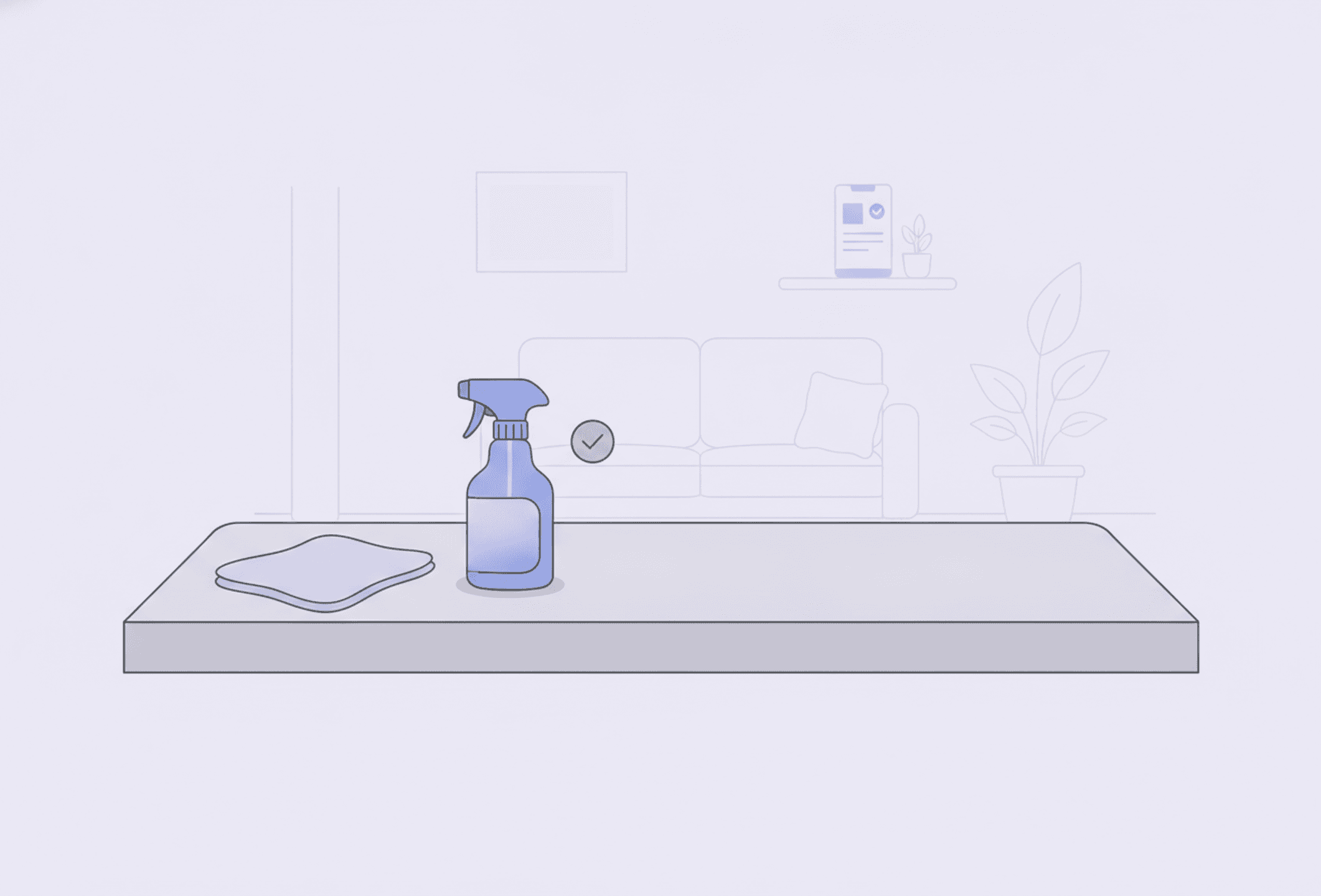
The flat is fine, and then suddenly it isn't. Here's a cleaning routine built for brains that can't do the big Saturday clean, and don't need to.

The clean clothes have been on the chair for three days and the basket is full again. Laundry breaks down in the gaps between steps, so here's a system that removes them.
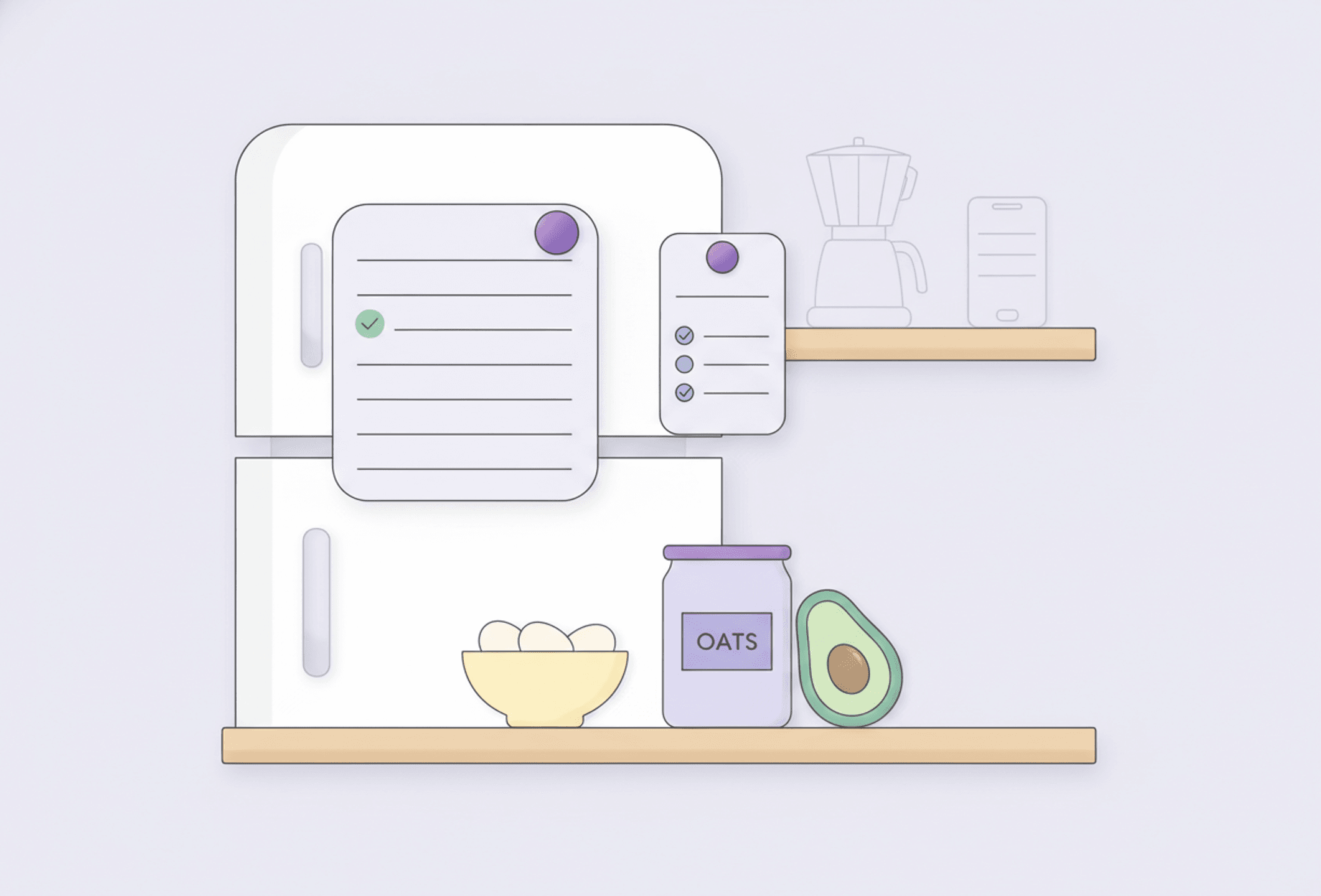
It's 6pm, you're hungry, and the question what's for dinner feels impossible. Meal planning solves it before it starts. Here's a low-effort, ADHD-friendly way to never face that blank again.

A simple evening routine makes the night calmer and the morning softer. Here is a flexible, shame-free routine you can actually keep — even on tired days.
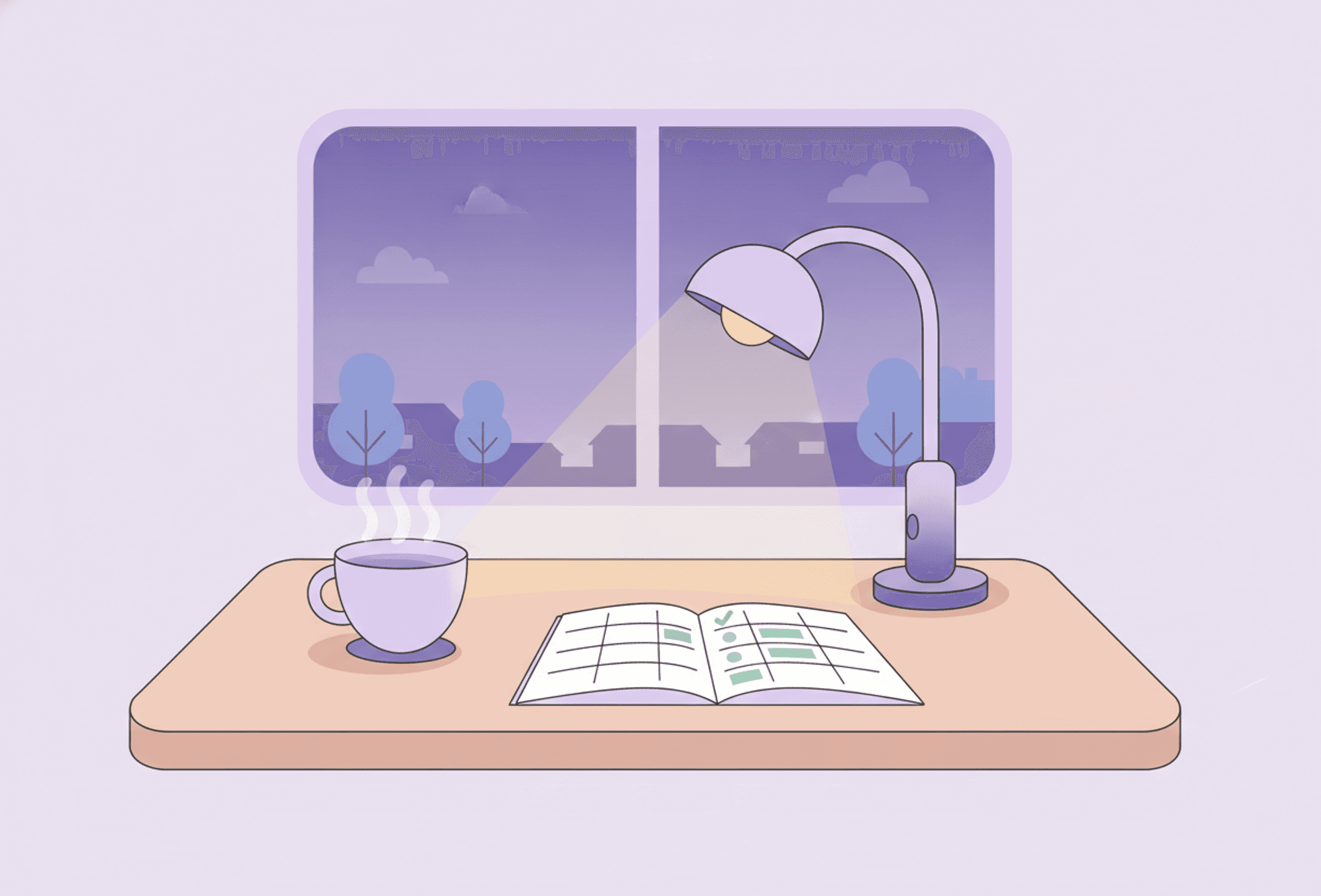
Sunday afternoon, and a quiet dread creeps in about the week ahead. The Sunday scaries are real, and mostly they come from facing an unknown week. Here's how to make Monday feel manageable.
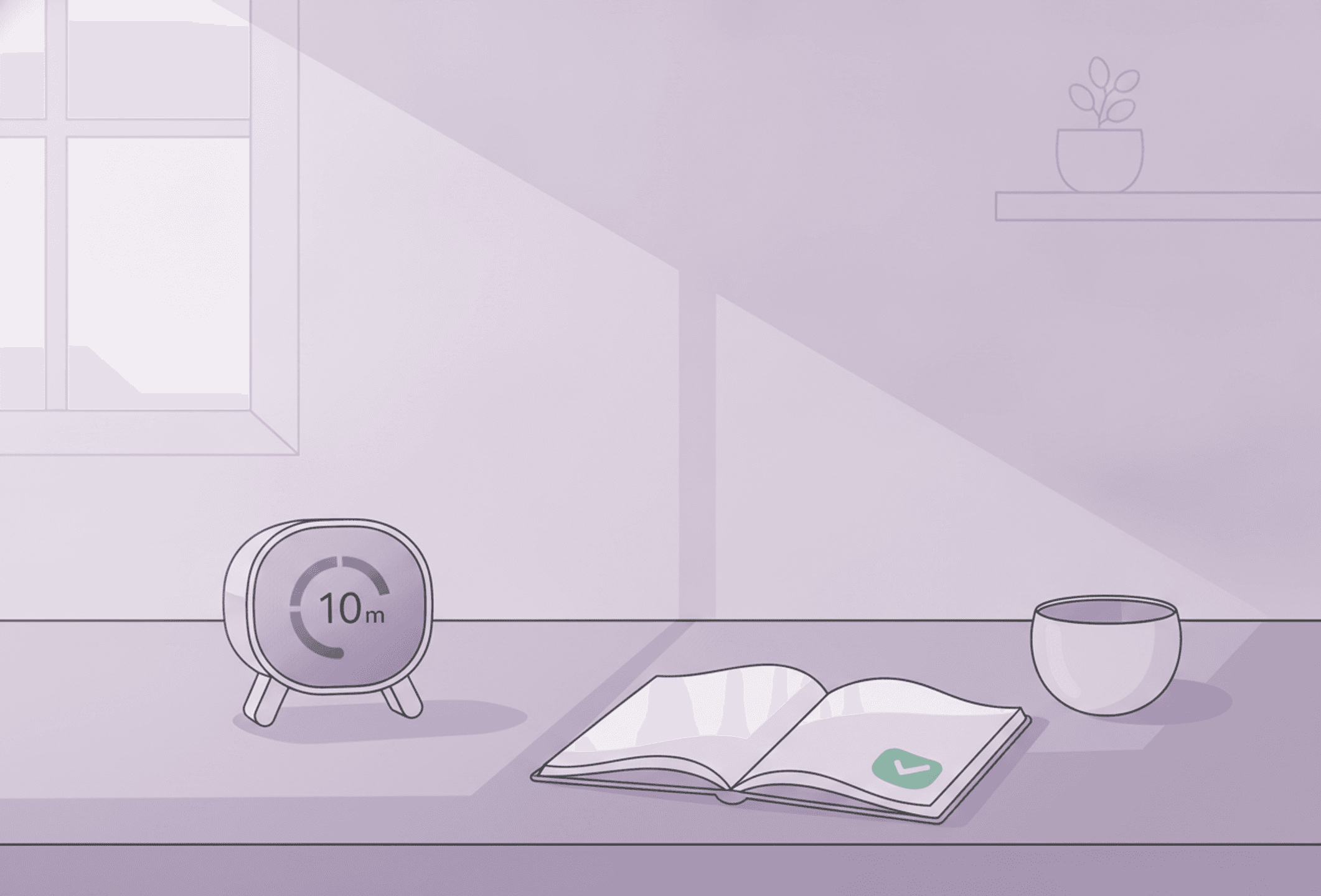
Some days just get away from you, the desk is a mess, the plan is gone, and you've given up before lunch. You don't need to wait for tomorrow. Here's a 10-minute reset to recover the day you're already in.
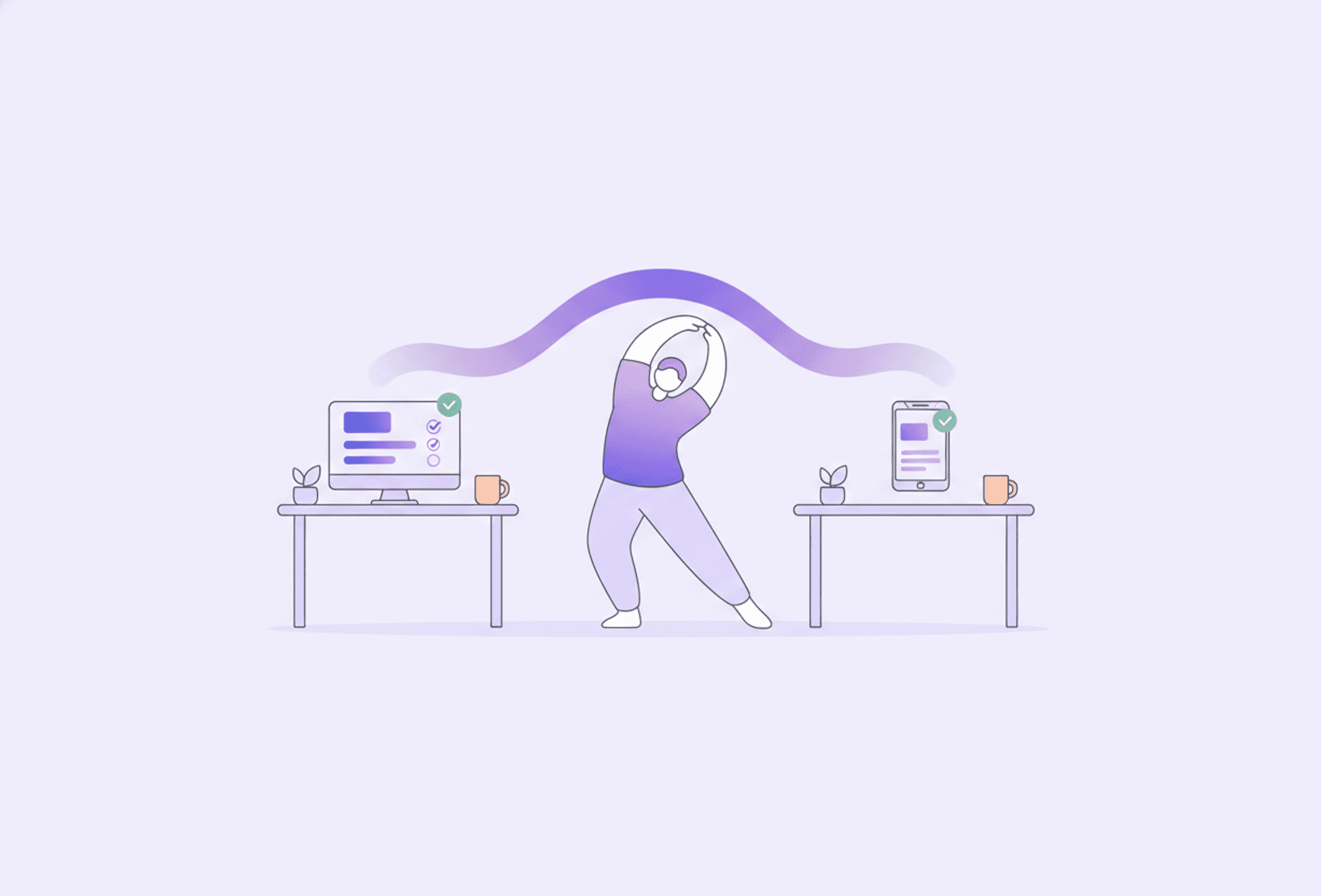
The hardest part of an ADHD day often isn't the tasks, it's the moments between them. Transition rituals bridge those gaps so the in-between stops swallowing your time.

If the workday never really ends and the open loops keep pinging, a daily shutdown routine closes the day cleanly so your evening is actually yours. Here is how.

Build the perfect routine, one bad day knocks it over, and it never recovers. The fix isn't more discipline. It's a routine built to bend instead of break.
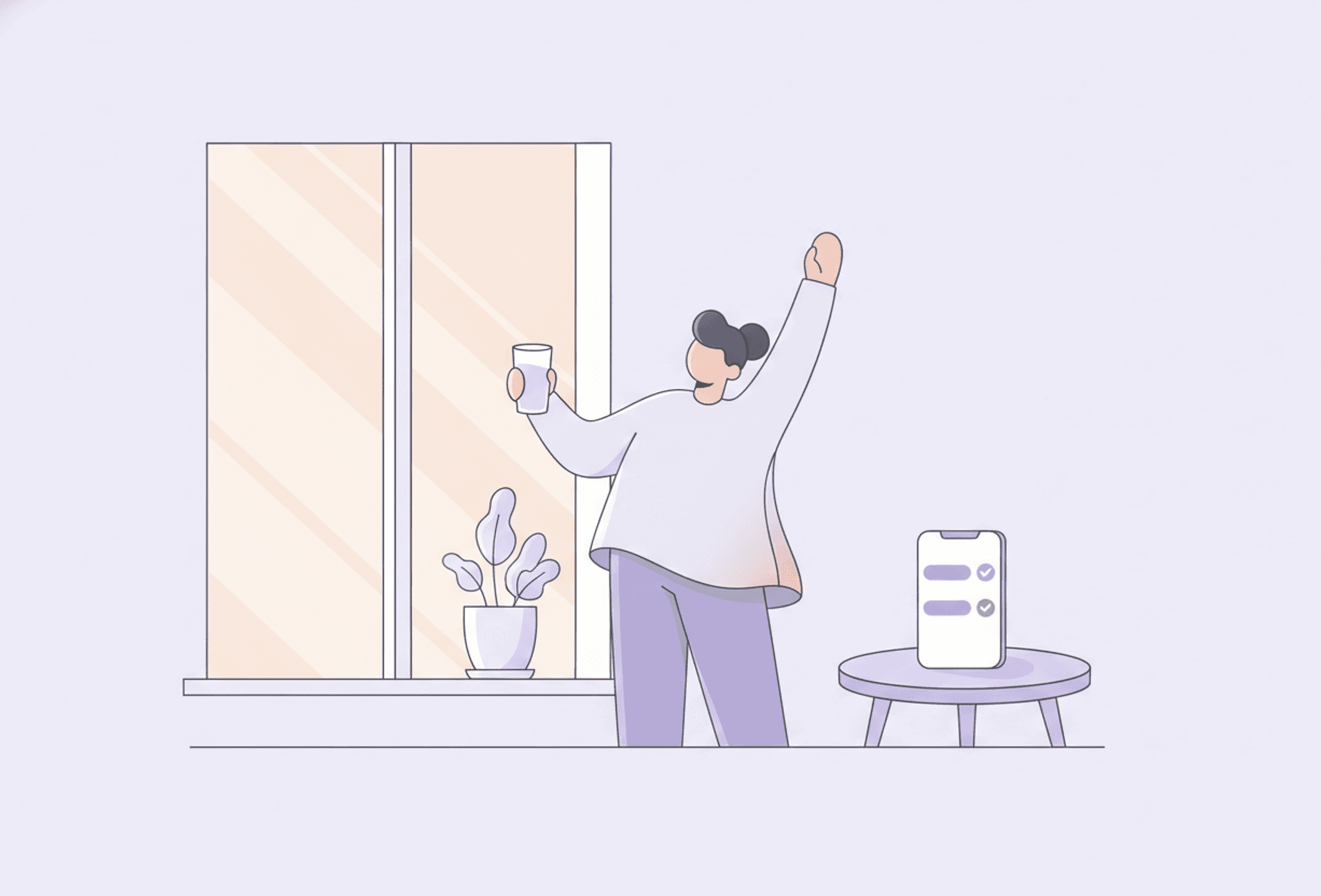
A morning routine that lasts isn't built on a perfect hour — it's built on small habits you can repeat. Here are 12 ideas to choose from.

A practical, shame-free checklist to organize your daily life one small step at a time - capture everything in one place, separate routines from tasks, and start with a single area.