

Sharing Chores When You Have ADHD (Beyond "Just Tell Me What to Do")
You do help. You do a lot, in fact. And yet the sentence that keeps coming up is: I should not have to ask.
You do help. You do quite a lot, actually - and you can list it, which is part of why the conversation stings.
But the sentence keeps coming back anyway: I shouldn't have to ask. And "just tell me what needs doing and I'll do it", which feels generous when you say it, seems to land as something else entirely.
Sharing chores rarely breaks down over effort. It breaks down over who holds the noticing - the ongoing work of tracking what needs doing, when it was last done and what happens next. Helping is not the same as owning, and noticing is precisely the part ADHD makes hardest.
Helping and owning are different jobs
Every household task has three parts: notice it needs doing, decide when, then do it.
If you are doing the third part on request, you are contributing real work - and the first two parts are still sitting entirely with someone else. That is why an evening of genuine effort can end with both of you feeling unfairly treated: you did the work, and they did the managing, and only one of those is visible from the outside.
The goal is not more effort from you. It is moving some of the noticing.
Why the noticing is the hard part
This is worth saying clearly, because it is not an excuse and it does matter.
A pile that has been there four days can be genuinely invisible until it reaches crisis size - out of sight really is out of mind. Recurring tasks have no cue, and a thing that needs doing every nine days has no natural trigger at all. And time is slippery, so "I did that recently" can mean three weeks ago with complete sincerity.
None of that makes the imbalance fine. It does mean that "just try to notice more" is not a plan, and something more mechanical is needed instead.
Own whole domains, not individual tasks
Here is the change that actually works: take a small number of areas end to end, including the remembering.
Not "I'll do the bins when you ask" but "bins, recycling and the car are mine" - noticing, timing and doing. Two or three domains owned completely is worth more than twelve tasks performed on request, because ownership is what removes load from the other person. Being handed a task removes almost none of it.
Choose fewer domains than you think, and hold them.
Externalising the noticing is allowed
If you cannot reliably notice, replace the noticing with something that can: a recurring reminder, an alarm, a note on the door, a fixed day.
This is not cheating, and it is worth saying out loud in the house, because there is often a quiet assumption that a system means you do not really care. Nobody benefits from you remembering unaided. The bins are out either way, and a reliable cue is doing exactly the job it should.
Write the invisible list once
Most household arguments are about an unwritten list where each person can see their own half clearly and the other half not at all.
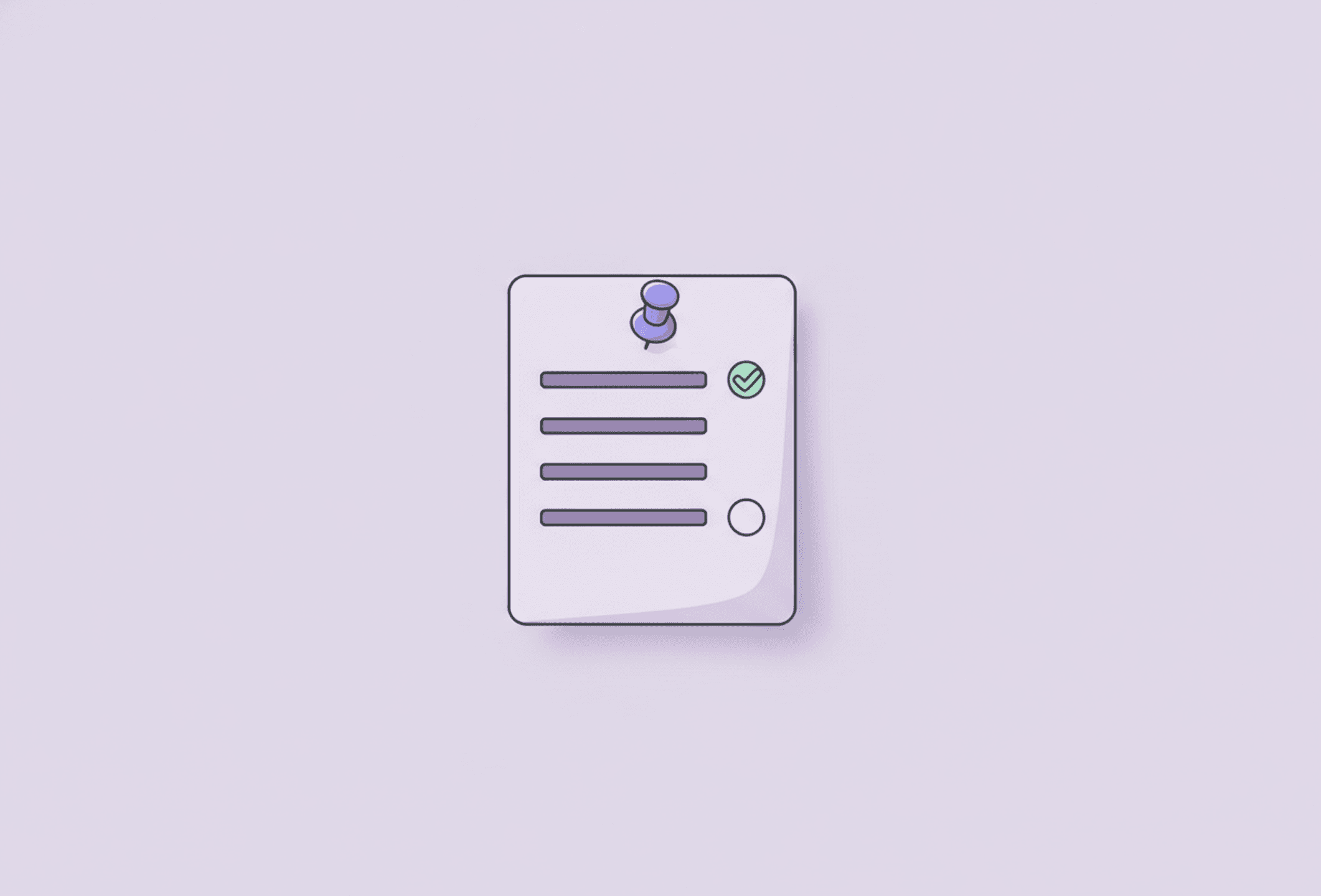
So write it: everything that keeps this home running, including the parts nobody counts - booking the boiler service, buying birthday cards, knowing when the cat food runs out, replacing the lightbulbs. One evening, both of you, one list.
It usually changes the conversation immediately, because the argument stops being who does more and becomes this specific set of things needs owners.
Have a ten-minute weekly check-in
"I shouldn't have to ask" is solved by a fixed time when asking is the point.
Ten minutes, same slot each week, both of you: what is coming up, what got missed, what needs swapping this week. Attach it to your weekly review if you have one. The value is that it moves the negotiation out of the flashpoint - a Tuesday evening in the kitchen, calmly, instead of at eleven at night when someone finds the wet laundry.
Divide by fit, not by symmetry
Fairness is about equal load, not identical tasks. Some tasks suit you far better than others, and choosing honestly is not shirking.
Tasks with a clear cue, a physical shape and a beginning and end - bins, cooking, the weekly shop, the tip run, anything done in one session - tend to work. Tasks requiring sustained low-level tracking over weeks - appointments, renewals, remembering the school forms - tend to go badly, and if your partner can hold those more easily, trading is a sensible arrangement rather than an admission.
In exchange, take more of the visible physical work. That is a real trade, not a discount.
Agree the actual standard
A surprising share of chore conflict is not about who did it but about what counts as done. One of you means "surfaces clear", the other means "hoovered and mopped", and neither has said so.
Name the minimum out loud, per domain, and make it achievable on a bad week. A standard that only works when you are well-rested is a standard that will keep failing, and each failure gets read as not caring.
When you drop one, repair quickly
You will drop things. The recovery matters more than the streak.
"I forgot the bins, they're on Thursday now, I've set an alarm" is a complete and adult response. Long apologies and self-criticism actually make it harder for the other person, because now they are managing your feelings on top of the bins - and shame turns a missed task into a much bigger event than it needs to be. Fix it, adjust the system, move on.
The short version
Effort is not the argument; noticing is. Own two or three domains completely instead of doing tasks on request, replace the noticing you cannot do with reminders and fixed days, write the invisible list once so you are arguing about the same thing, hold a ten-minute weekly check-in away from the flashpoint, divide by what actually fits rather than by symmetry, agree what "done" means - and when you drop one, repair it briefly and adjust the system.
Read more
Frequently asked questions
Why does my partner say I do not help enough when I do?
Because a task has three parts - noticing it needs doing, deciding when, and doing it - and doing the third part on request leaves the first two entirely with someone else. That management work is invisible from outside, which is how an evening of genuine effort can still end with both people feeling unfairly treated. The fix is moving some of the noticing, not adding more effort.
What does it mean to own a chore rather than help with it?
Owning means the whole loop is yours: you notice it needs doing, you decide when, and you do it, without being prompted. "Bins, recycling and the car are mine" is ownership; "I will take the bins out when you ask" is helping. Two or three domains owned completely remove far more load from the other person than a dozen tasks performed on request.
Is it cheating to use reminders for chores?
No. If you cannot reliably notice, replacing the noticing with a recurring reminder, an alarm or a fixed day is exactly the right move - a pile can be genuinely invisible until it reaches crisis size, and a task due every nine days has no natural trigger. It is worth saying out loud at home, since there is often an unspoken assumption that needing a system means not caring. The bins are out either way.
How do we split chores fairly if some are much harder for me?
Aim for equal load rather than identical tasks. Tasks with a clear cue, a physical shape and a definite end usually work well; tasks that need sustained low-level tracking over weeks - appointments, renewals, forms - usually go badly. If your partner can hold those more easily, trading is sensible, and in exchange you take more of the visible physical work. Then agree what counts as done, at a standard that survives a bad week.