

A Realistic Self-Care Routine for ADHD Brains
Self-care keeps losing to everything with a deadline. Here's a realistic version for ADHD brains: a small floor of non-negotiables, planned like appointments, with a bad-day minimum.
Somewhere below the deadline, the laundry and forty unread messages sits “take better care of yourself”. It has been on the list for months. It keeps losing.
A realistic self-care routine is not spa days and bubble baths — it's the boring maintenance that keeps you functional, held up by a small floor of non-negotiables instead of an ambitious plan you'll abandon.
What self-care actually means
Strip away the marketing and self-care is a short, unglamorous list: enough sleep, food at regular times, some movement, water, daylight, people you like, and downtime that genuinely restores you.
Nothing on that list is exciting. All of it is load-bearing. When the basics run, everything you actually care about runs better — focus, mood, patience, follow-through. When they don't, every ADHD trait gets louder.
That's worth separating from the version the wellness industry sells, because candles and retreats make self-care sound like a luxury for people with spare time and money. It isn't a luxury. It's infrastructure.
Why ADHD brains skip exactly this
The list isn't hard. It's hard with ADHD, for reasons that have nothing to do with laziness.
- Maintenance is never urgent. Skip the walk, forget the water, eat at four — nothing visibly breaks today. An ADHD brain prioritises by urgency and interest, so maintenance loses to everything with a deadline, every single day.
- It has zero novelty. The glass of water is the same glass of water as yesterday. There's no dopamine in it, so nothing pulls you toward it the way new things do.
- Body signals arrive late. Interoception — reading hunger, thirst and tiredness from the inside — is often muted with ADHD. You don't notice hunger until you're shaky and furious, or tiredness until you're past the point where sleep comes easily.
- All-or-nothing thinking finishes the job. You skip the gym twice, conclude you've “failed self-care”, and the whole project quietly shuts down until next January.
Two useful conclusions follow. Don't wait for signals you won't get: eat because it's lunchtime, not because you feel hungry. And since noticing how you actually feel is step one of self-care, make the noticing external — a ten-second daily mood check-in (free in Stedo) is enough for patterns to show up before the crash instead of after.
A realistic self-care routine is a floor, not a ceiling
The ambitious version — gym five days a week, Sunday meal prep, meditation at dawn — is a ceiling, and ceilings collapse on the first bad week. Build a floor instead: three or four tiny non-negotiables, small enough to feel almost silly, each attached to something you already do.
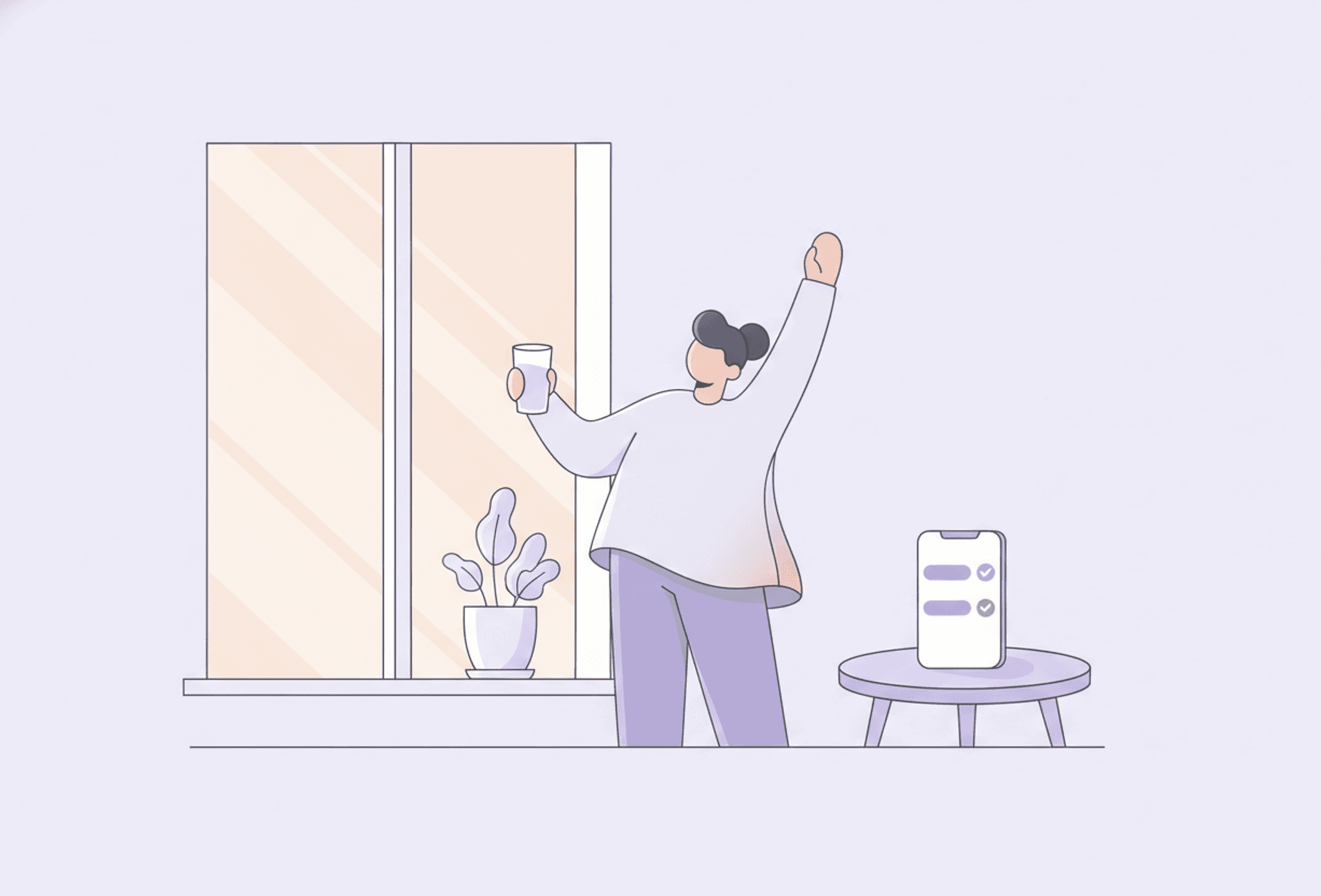
- A glass of water while the coffee brews. The coffee is the anchor; you were standing there anyway.
- A ten-minute walk after lunch. Not exercise — daylight and movement, stapled to a meal that already happens.
- Food before you're starving. Fixed times, because appetite reports too late.
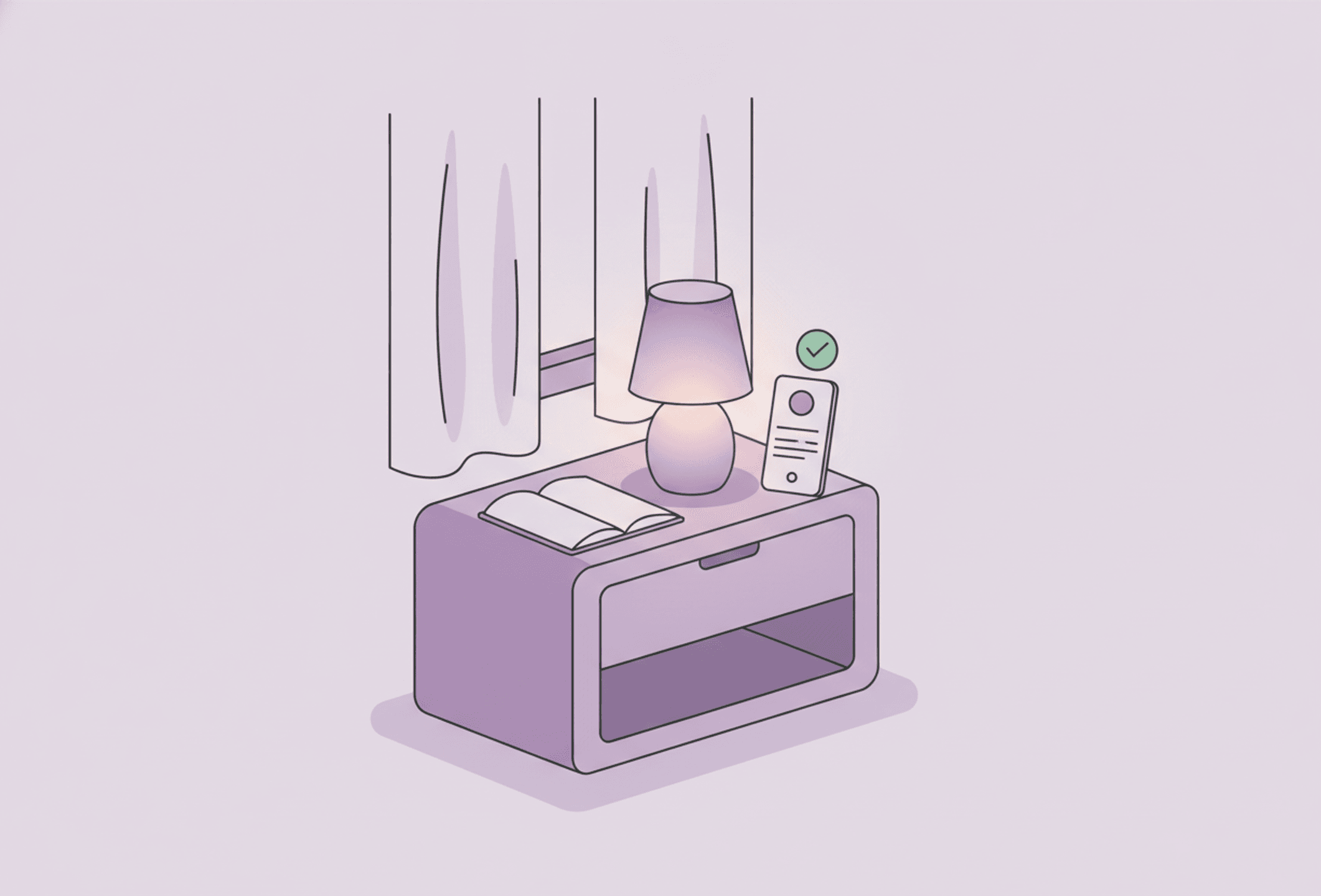
- Screens away before bed. A calm wind-down routine is self-care in work clothes.
The floor's job isn't to impress anyone. Its job is to hold on the days when nothing else does. Everything above it — a real workout, cooking something proper, an evening with friends — is a bonus, not a debt.
Plan it like appointments, not leftovers
“If there's time” is where self-care goes to die, because there is never spare time at the end of an ADHD day — whatever is loudest takes all of it.
So the floor goes into the plan first, like appointments: the walk at 12:30, food at fixed times, wind-down at half past nine. Not because you're rigid, but because anything unscheduled is optional with ADHD, and optional loses. You wouldn't skip a dentist appointment because a message arrived; the walk deserves the same status.
Write down a bad-day version
Bad days are when you need maintenance most and manage it least, and deciding what “enough” means while you're in one never works. So decide in advance, and write it down.
A bad-day floor might be: water, one real meal, stepping outside the door once, phone out of the bedroom. If you did those, you took care of yourself today — the same logic that lets flexible routines survive real life. The point of a minimum version is that you can honestly say “done”, which keeps the routine alive until a better day instead of adding one more thing you failed.
Rest is maintenance, not a reward
Somewhere along the way, most of us learned that rest has to be earned — and an ADHD day rarely feels like it earned anything, however much it actually held. So rest gets postponed, or taken guiltily with one thumb still scrolling. Which is stimulation, by the way, not rest.
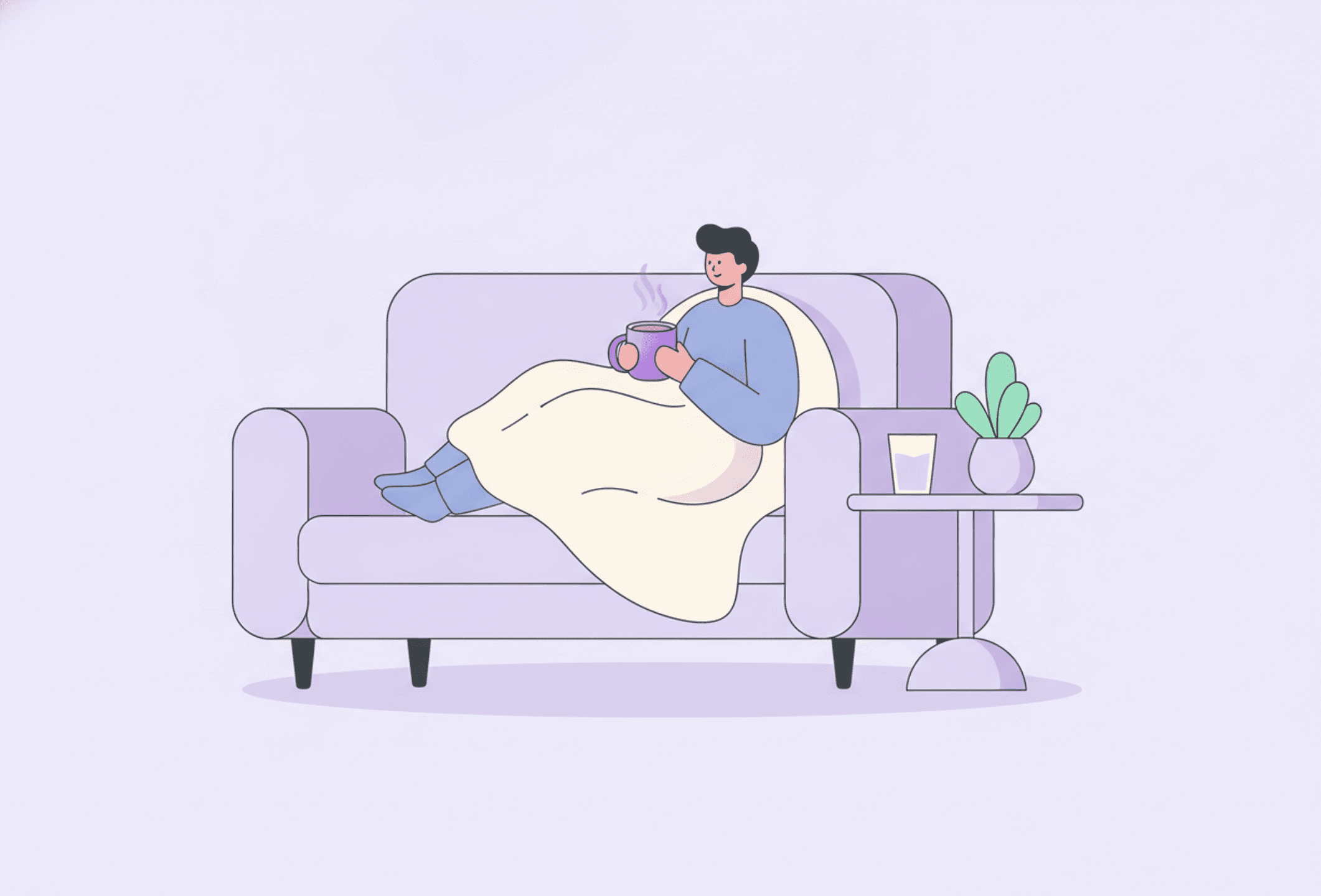
Try the reframe: rest isn't the reward for functioning, it's what functioning is made of. You don't earn sleep, meals or downtime, any more than your phone earns its charging. The need doesn't disappear when you skip it either — it accumulates quietly, which is exactly how burnout builds: not from one hard week, but from months of running on a skipped floor.
So take the evening off because it's in the plan, not because you finally collapsed. That's the whole routine: a small floor that holds, planned first, a written bad-day version, and rest you no longer have to deserve.
Read more
Frequently asked questions
What does a realistic self-care routine look like with ADHD?
A floor of three or four tiny non-negotiables attached to things you already do — a glass of water while the coffee brews, a ten-minute walk after lunch, food at fixed times, screens away before bed — plus a written bad-day minimum. Anything above the floor is a bonus, not a debt.
Why do I keep skipping self-care even though I know it matters?
Because maintenance is never urgent, so it loses to everything with a deadline; it offers no novelty, so nothing pulls you toward it; body signals like hunger and tiredness are noticed late with ADHD; and all-or-nothing thinking turns one missed day into a failed project. It's prioritisation mechanics, not laziness.
Is rest self-care even when I haven't achieved anything?
Yes. Rest is maintenance, not a reward — it's what functioning is made of, not what you get for functioning. If rest has to be earned, ADHD days rarely qualify, and the deficit builds toward burnout. Plan downtime like any other fixed point in the day.
What should self-care look like on a bad day?
A written minimum you decided in advance: for example water, one real meal, stepping outside once, and the phone out of the bedroom. Meeting the minimum counts as done — it keeps the routine alive until a better day instead of becoming one more thing you failed.