


Finishing What You Start: Why the Last 10% Is the Hardest
The shelf is built but unpainted. The article is written but unsent. Twelve projects, all sitting at ninety per cent.
The shelf is built but unpainted. The article is written but unsent. Twelve projects, all sitting at ninety per cent.
Thirty minutes in, someone says your name. You have no idea what the question was. You were following perfectly until minute six.

You have read the same paragraph four times. Your eyes moved every time. Nothing stayed - and reading it a fifth time is not the fix.
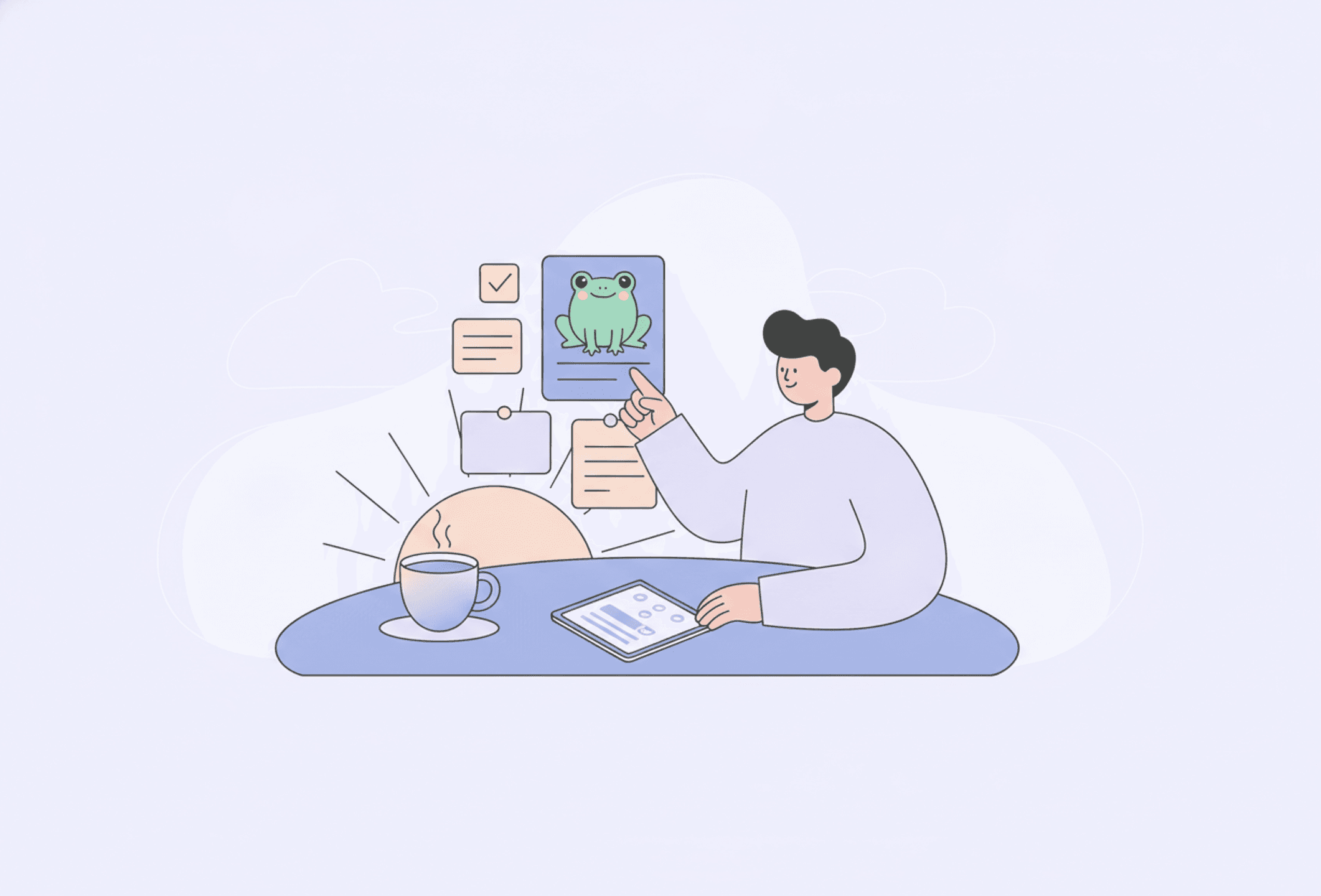
The eat the frog method means tackling your most important, most dreaded task first — before the day eats your energy. Here's the origin, why it works, and how to actually apply it without pressure.

You reread the chapter three times and remember none of it. The problem is not effort. It is that rereading is the least effective method there is.
You cannot feel forty minutes passing. You can watch a colour disappear. That difference is the whole trick.
You are not avoiding the task. You are avoiding a feeling the task produces. Work out which feeling it is today, and the fix gets specific.

Learning how to focus better isn't about more willpower — it's about removing what pulls you away. Here are eight practical, shame-free tips you can try today.
Give a two-hour task a week and it takes a week. The origin is a 1955 satire about bureaucracy, not a law of nature - and for an ADHD brain it is both the trap and one of the few reliable tools.

One empty Saturday is supposed to make your tax return feel interesting again. The name is biologically wrong, but there is a small real effect underneath it - and a version that works better for an ADHD brain.
A hobby can hold your attention for six hours while a ten-minute chore sits untouched for a week. ADHD motivation runs on interest and urgency, not importance, and both can be manufactured.
The mail on the counter, the jacket on the chair, the dish that's 'soaking' — each one started as something put down 'for now'. The one-touch rule: handle each thing once, to done or to its home.

The letter, the extra tab, the phone at your elbow — with ADHD, whatever is in view will pull attention. Here’s how to set up a workspace that works with your brain instead of against it.

Flow is the state where a task absorbs you completely and time seems to vanish, and it has real, repeatable conditions behind it. Here's what it needs, and how it's different from ADHD hyperfocus.
You had two free hours and got nothing done, because they were the wrong two hours. Planning by time alone ignores the resource that actually runs out.

The Pomodoro technique means working in short, timed intervals — classically 25 minutes of focus followed by a 5-minute break. Here's a calm guide to how the method works, why it helps, and how to run your first session.
You were busy all day and finished nothing. Often the culprit isn't the work, it's the number of times you changed what you were working on.
You pick up your phone to check one thing and resurface twenty minutes later. It's not weak willpower, the phone is built to do that. Here's how to reduce its pull without quitting it entirely.
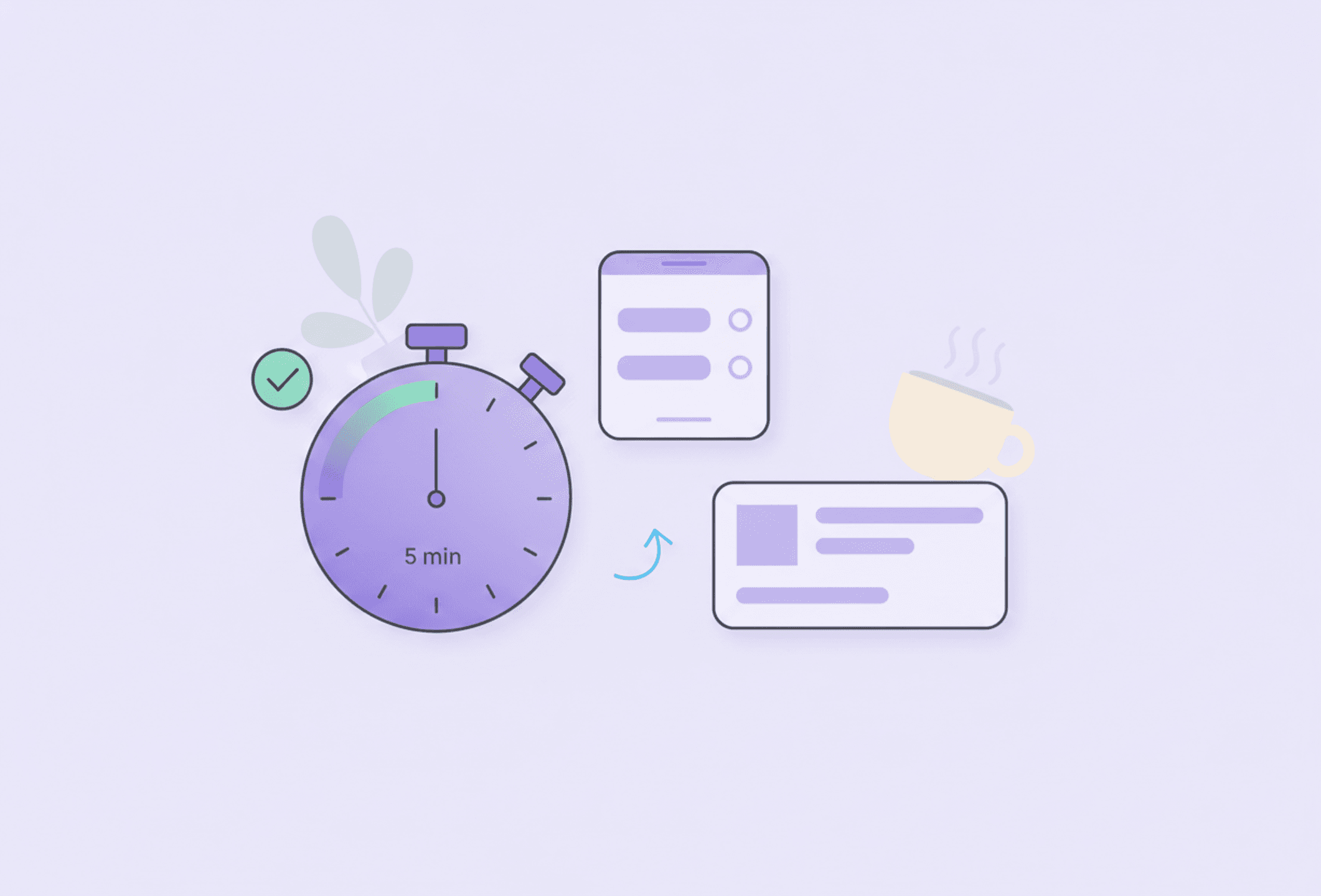
The hardest part of a task is starting it. The five-minute rule shrinks that wall to almost nothing: commit to five minutes, then quit if you want. You usually won't. Here's why it works.

You're focused, then your brain pings: did I reply to that email? Off you go. A distraction parking lot catches those thoughts so you can keep working and deal with them later.
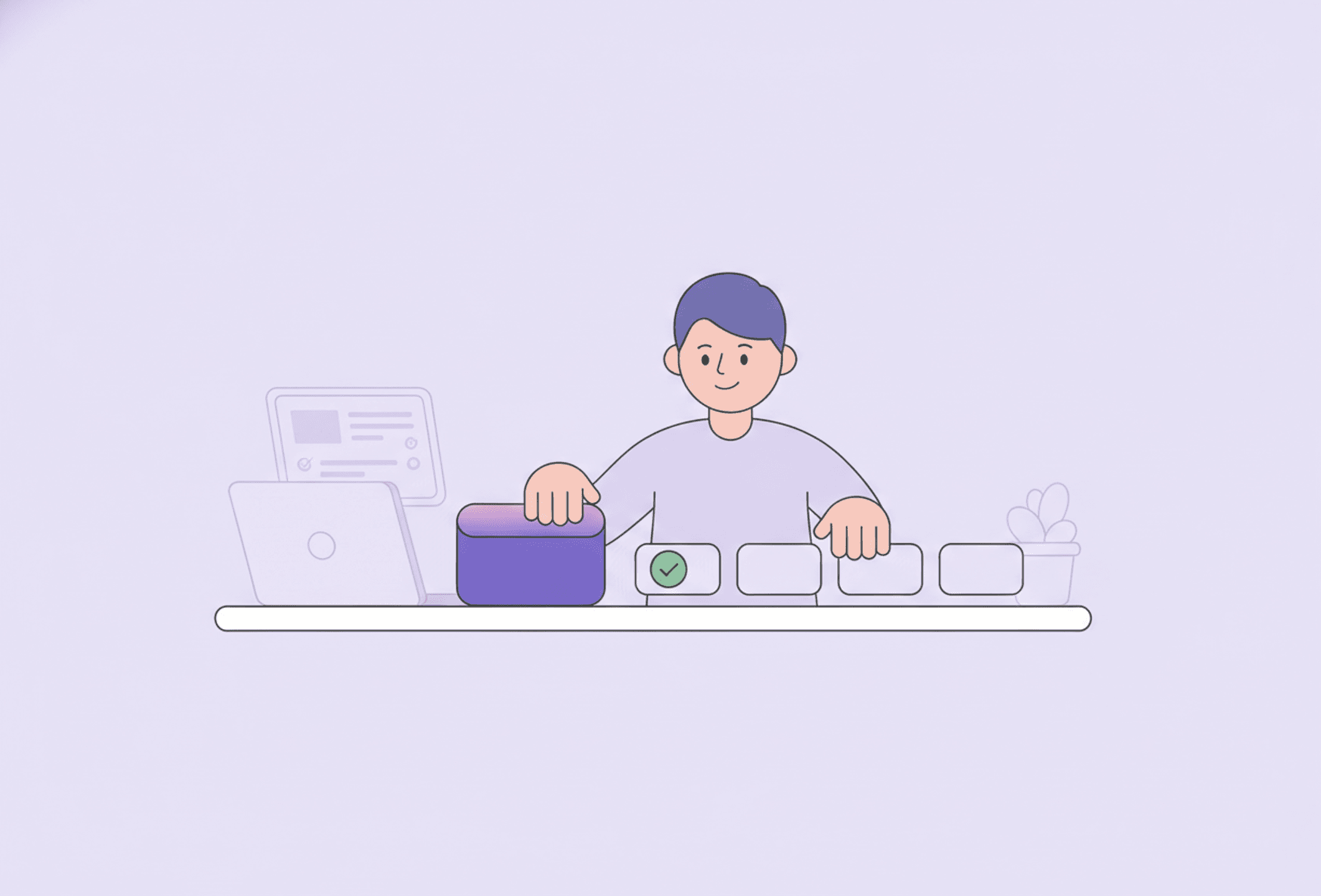
When a task feels too big, the problem is usually ambiguity, not laziness. Here's a calm method to break down a task into small, doable steps you can actually start.

Many people, especially with ADHD, swear by focus music. But does it actually work, or is it just nice background noise? The honest answer and how to find what works for you.

Deep work is focus without distraction on a demanding task. With ADHD it feels out of reach, but it is about building the conditions, not having more willpower. Here is how.

Every buzz is an invitation to stop what you're doing, and ADHD makes it hard to refuse. Taming notifications is a ten-minute fix with a big payoff. Here is how.

Procrastination is rarely about laziness — it's about avoiding an uncomfortable feeling. Here are nine practical, shame-free ways to get over the starting line and actually begin.
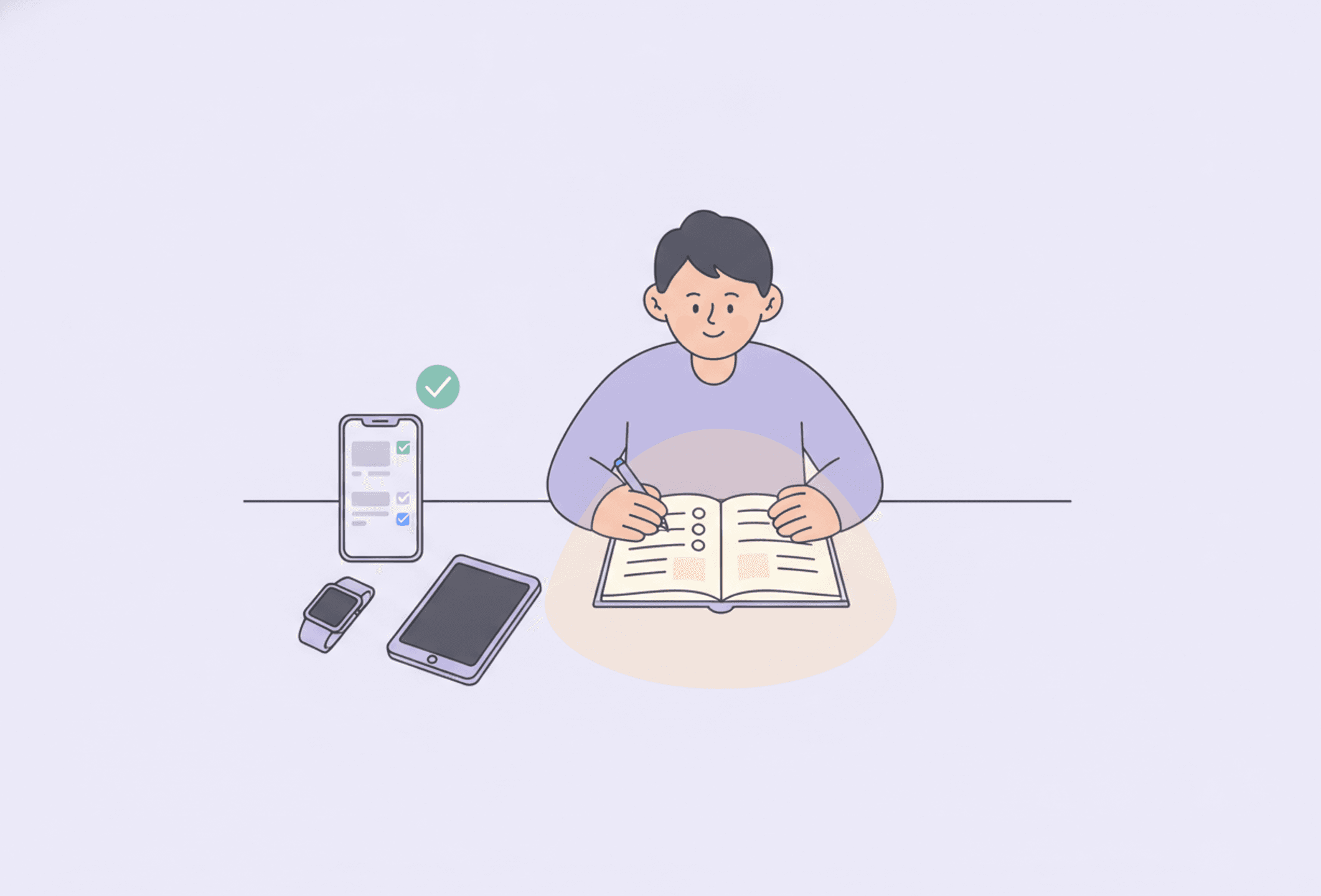
Juggling everything at once feels productive but finishes nothing. Single-tasking is slower-feeling and faster-finishing. Here is how to do one thing at a time.