

ADHD Motivation: Interest, Not Importance
A hobby can hold your attention for six hours while a ten-minute chore sits untouched for a week. ADHD motivation runs on interest and urgency, not importance, and both can be manufactured.
Six hours disappear into a hobby and you barely notice. The next morning, a ten-minute phone call you've been putting off for a week still doesn't get made, even though you know it matters more.
ADHD motivation runs on interest, novelty, challenge and urgency, not on importance or consequences, so knowing a task matters does almost nothing to make you start it. That isn't a character flaw to fix. It's the same brain, working exactly as it's built, in both situations.
The same brain, two different Tuesdays
Most motivation advice assumes a brain that runs on importance: if something matters enough, or the consequences of skipping it are bad enough, you'll find the will to do it. That system exists, and for a lot of people it's enough.
The ADHD nervous system runs on different fuel. Psychiatrist William Dodson describes it as an interest-based nervous system: it responds reliably to interest, novelty, challenge and urgency, and barely responds to importance at all. Consequences, theoretical deadlines and “you really should” all get filed under importance — precisely the channel that doesn't reliably deliver.
That's why the hobby gets six real hours (it's interesting, a little challenging, maybe still a bit new) while the phone call gets none of that, no matter how often you tell yourself it matters. Same brain. Different fuel supplied.
Stop waiting for motivation, manufacture it
Once you stop expecting boring-but-important tasks to generate their own motivation, the useful question changes from “why can't I make myself care” to “which ingredient is missing here, and how do I add it.”
Urgency
Urgency is the easiest lever to fake, and often the most reliable one. A Pomodoro timer turns a vague someday into a ticking 25 minutes. Booking something for right after the task — a call, a lift, a meeting — gives it a real stop-by time instead of a wish. Working alongside someone else, even quietly on a video call while they do their own thing, adds a second kind of urgency: body doubling borrows another person's presence as a deadline you don't want to be late for.
Interest
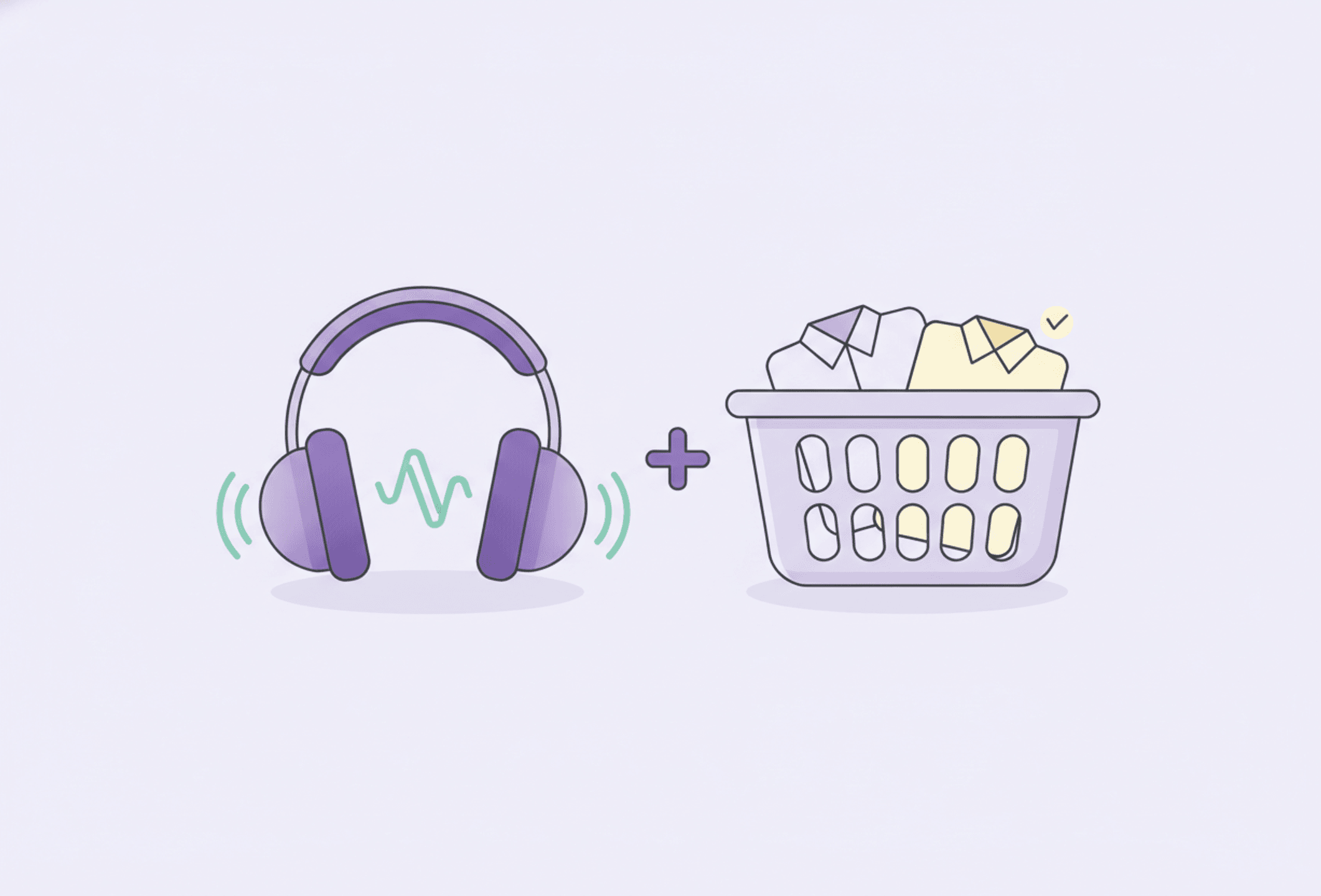
Interest can be bolted onto almost anything. Put music or a podcast under a task your hands can do on autopilot — temptation bundling, pairing something boring with something you enjoy, is a legitimate strategy, not a cheat code. Race yourself against the clock. Change how or where you do it: standing instead of sitting, the kitchen table instead of the desk. None of that changes the task. It changes how your brain rates it.
Novelty
Novelty is why the first read-through of a report is fine and the fifth is unbearable. It's designed to fade fast, so use it on purpose: a new location, a different app or pen, a changed order, a fresh playlist. Rotate whichever trick you use — a “novelty” that never changes stops being novel.
Challenge
Challenge turns a flat task into a small game: beat yesterday's time, beat your own record, see how far you get before the kettle boils. This is where gamification earns its keep, not as decoration but as manufactured challenge. Turning a task into points, a streak or a small daily win — the kind of thing Stedo builds in for free — gives your brain exactly the “beat my own score” hook it already responds to.
Shrink the entry point
None of the four levers matter much if you're waiting to feel ready before you start, because that's the wrong order. Action generates motivation far more reliably than motivation generates action: moving is what turns the engine over, not the other way round.
So make starting cost almost nothing. Not “write the report” — open the document. Not “clean the kitchen” — clear one counter. A task that's been stuck for days will often move within minutes once it's shrunk small enough, because most of the resistance lives in the first sixty seconds, not in the whole task.
Keep the tank generally topped up
Some days none of the four levers land, and that's a sign the tank itself is low, not a personal failure to fix with more urgency. Keeping a dopamine menu — a short, ready-made list of things that reliably feel good — gives you something to reach for on the days when manufacturing motivation from scratch is one step too many.
Design for the brain you have
None of this is a workaround to feel sheepish about. A car doesn't run on the fuel it wishes it took; it runs on the fuel it's built for. Giving your brain interest, novelty, challenge and urgency, instead of another lecture about importance, isn't cheating the system. It's engineering it.
Read more
Frequently asked questions
Why can I focus for hours on a hobby but not ten minutes on a chore?
Because ADHD motivation doesn't run on importance the way it does for many people — it runs on interest, novelty, challenge and urgency. A hobby supplies several of those at once, while a boring chore supplies none of them, regardless of how much it actually matters. It's the same brain responding accurately to what's in front of it, not a lack of willpower.
What is the interest-based nervous system?
It's a term used by psychiatrist William Dodson to describe how ADHD motivation works: reliably driven by interest, novelty, challenge and urgency, and largely unmoved by importance, theoretical deadlines or consequences alone. It explains why “just remember it's important” rarely works as advice.
How do you make yourself do something you have no motivation for?
Stop waiting for the feeling and manufacture the missing ingredient instead: add urgency with a timer or a real deadline, add interest by pairing the task with music or changing how you do it, add novelty by changing your setup, or add challenge by turning it into a small game against yourself.
Does willpower fix ADHD motivation problems?
Not reliably, because the issue usually isn't a lack of trying — willpower is being asked to substitute for a fuel the brain doesn't run on well. Shrinking the task down and starting anyway usually works better than willing yourself to feel ready first, since action tends to generate motivation more than motivation generates action.