

Temptation Bundling: Make Boring Tasks Enjoyable
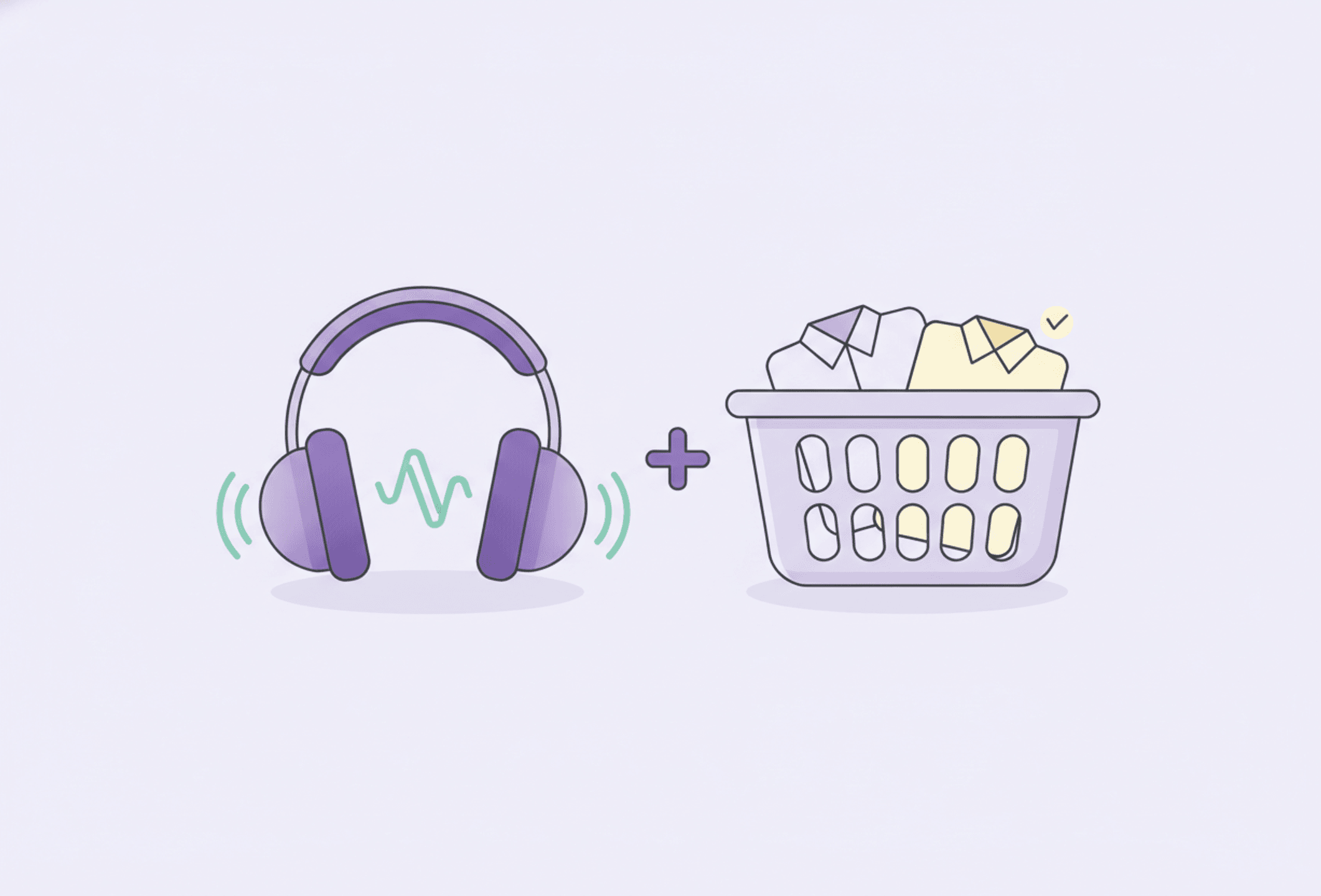
Only let yourself binge that show while you fold laundry. Save the good podcast for the walk. That's temptation bundling: pair a should with a want, and the boring thing gets a lot easier.
Some tasks aren't hard, they're just boring, and boring is often enough to make them feel impossible to start. Folding laundry, doing the dishes, the admin you keep avoiding. There's a clever trick for exactly these tasks: temptation bundling. You pair something you should do with something you want to do, so the boring task comes with a built-in reward.
What temptation bundling is
Temptation bundling means only letting yourself enjoy a guilty pleasure while you do a task you'd otherwise avoid. A few classic examples:
- Only watch your favourite show while folding laundry or on the treadmill.
- Only listen to that addictive podcast while doing the dishes or cleaning.
- Only get your fancy coffee while doing the boring admin at the café.
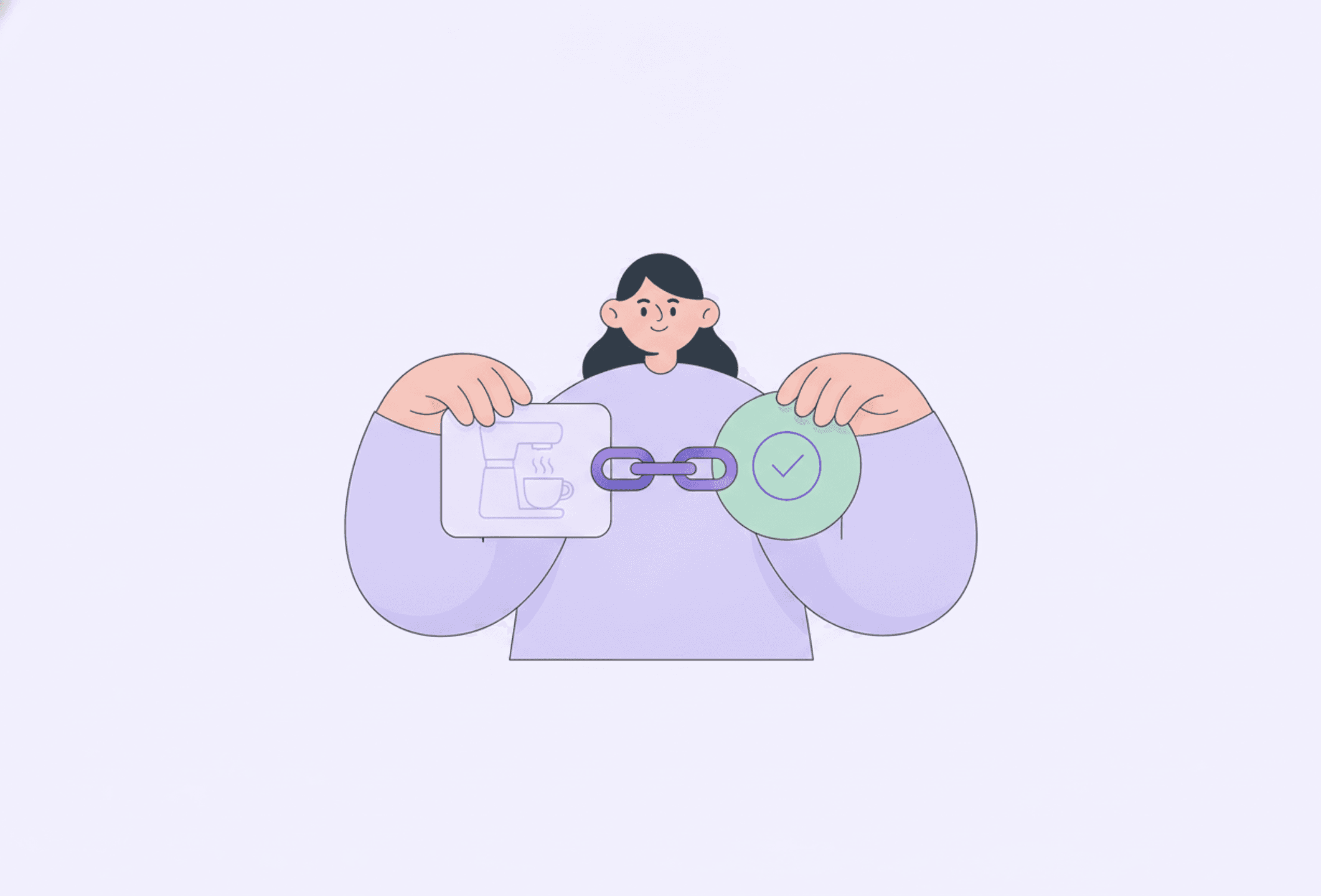
The rule is the link: the treat is reserved for the chore. The term comes from research by behavioural scientist Katy Milkman, whose studies found people exercised more when they could only listen to tempting audiobooks at the gym. The chore borrows the pull of the pleasure.
Why it works (and why it suits ADHD)
We put off boring tasks because they offer no immediate reward, our brains are wired to chase what feels good now, not what pays off later. Temptation bundling hacks this directly by attaching an immediate, in-the-moment reward to the task. Instead of relying on willpower to overcome the boredom, you make the task itself enjoyable.
This is especially powerful for ADHD brains, which are strongly driven by immediate interest and reward and find low-stimulation tasks genuinely aversive. Bundling raises the stimulation of a dull task just enough to get you over the line, and it pairs naturally with a dopamine menu of small, reliable pleasures you can draw from.
How to use it
- List your boring-but-necessary tasks. The chores and admin you routinely avoid.
- List your guilty pleasures. Shows, podcasts, audiobooks, music, a nice snack or drink, scrolling, a game.
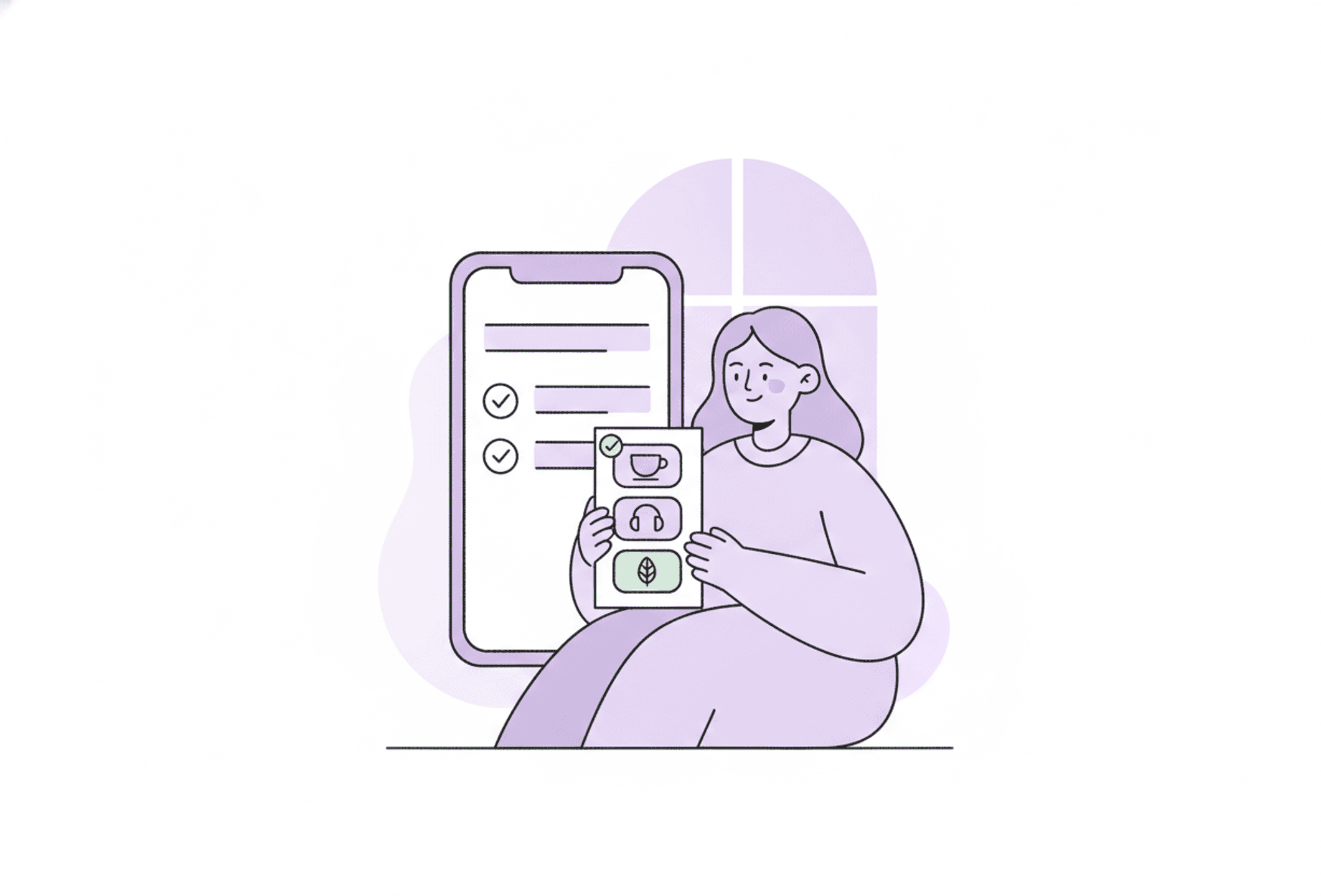
- Pair them, and protect the pairing. Match a treat to a chore, and only let yourself have the treat during the chore. The protection is what makes it work, if you watch the show anyway, the laundry loses its bribe.
- Match the type to the task. Audio (podcasts, music, audiobooks) is perfect for hands-busy, brain-free chores like cleaning, folding or walking. Save visual treats for tasks you can do in front of a screen.
Where it works best, and where it doesn't
Temptation bundling shines for boring, low-focus, often physical tasks, the kind where your hands are busy but your mind is free. It's less suited to deep, demanding work that needs your full attention, there, the treat becomes a distraction rather than a motivator. For those tasks, reach for focus techniques instead. Bundling is for beating boredom, not for powering through hard thinking.
Make it a habit
The real power shows up over time. When the only time you ever watch your show is while folding laundry, your brain starts to associate the chore with the reward, and eventually the laundry itself can become something you almost look forward to. That's temptation bundling turning into a genuine habit, and it works hand in hand with habit stacking, where you anchor the bundle to a regular moment in your day.
The takeaway
If a task is boring rather than hard, don't grind through it on willpower, bundle it. Pair the chore with a treat you genuinely enjoy, reserve the treat strictly for the chore, and let the immediate reward pull you through. The dishes get done, and you get your podcast. Everybody wins.
Read more
Frequently asked questions
What is temptation bundling?
Temptation bundling means only letting yourself enjoy a treat while doing a task you'd otherwise avoid, for example only watching your favourite show while folding laundry. You pair a 'should' with a 'want' so the boring task comes with an immediate, built-in reward. The term comes from research by behavioural scientist Katy Milkman.
Why does temptation bundling work?
We avoid boring tasks because they offer no immediate reward, and our brains chase what feels good now. Bundling attaches an in-the-moment reward to the task, so you don't need willpower to overcome the boredom, the task itself becomes enjoyable. That's especially effective for ADHD brains driven by immediate interest.
What tasks work best for temptation bundling?
It works best for boring, low-focus, often physical chores where your hands are busy but your mind is free, like cleaning, folding laundry, dishes or walking, paired with audio treats. It's not suited to deep, demanding work that needs full attention, where the treat becomes a distraction.
How do I start temptation bundling?
List your boring-but-necessary tasks and your guilty pleasures, pair a treat to a chore, and only let yourself have that treat during the chore. Protecting the pairing is key: if you enjoy the treat anyway, the chore loses its reward. Match audio to hands-busy tasks and visual treats to screen tasks.