

Finishing What You Start: Why the Last 10% Is the Hardest
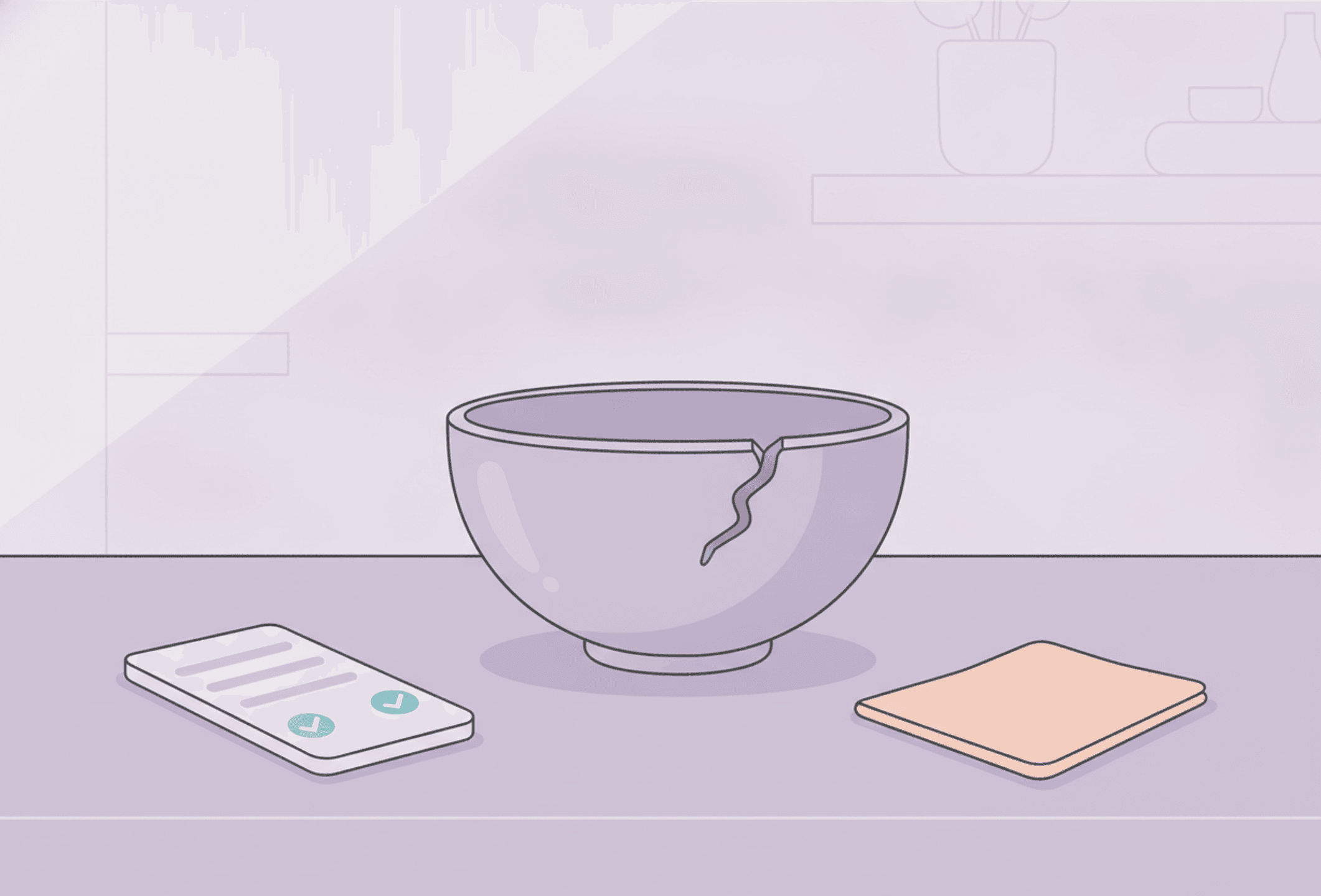
The shelf is built but unpainted. The article is written but unsent. Twelve projects, all sitting at ninety per cent.
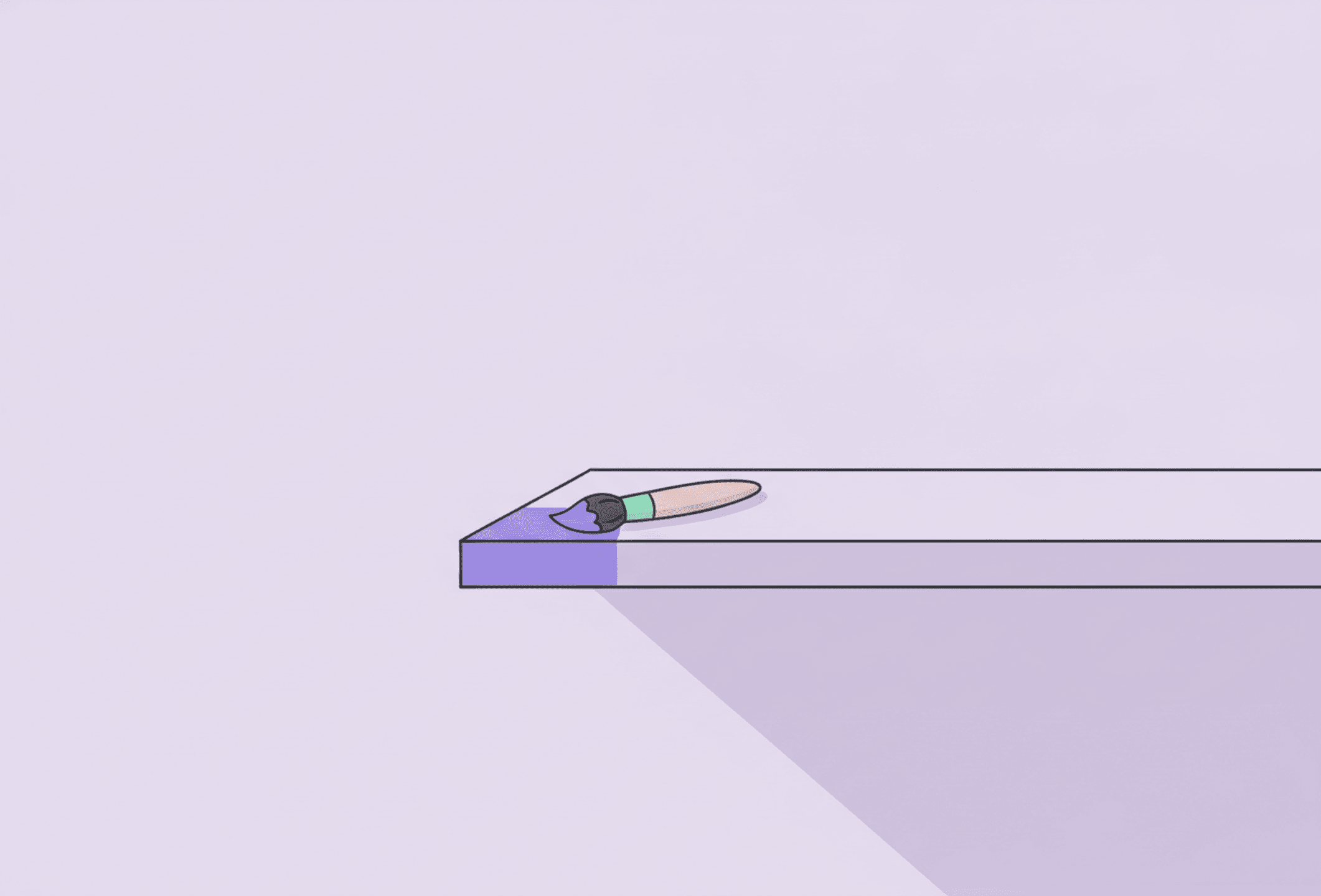
The shelf is built. It is not painted.
The article is written. It has not been sent. The room is decorated apart from one wall, the code works but is not deployed, and the photos from last summer are edited but still sitting on the laptop.
Twelve projects, all at ninety per cent.
The last ten per cent is where interest runs out, because by then the problem is already solved. What remains is execution: no novelty, no uncertainty, nothing left to discover - and an attention system paid in interest has nothing left to collect.
Why the ending is the worst part
It is not laziness, and it is not that you cannot see it through. Look at the shape of the work.
The start has novelty. The middle has problem-solving. The end has neither: the interesting questions are answered, the outcome is known, and what is left is sanding, formatting, tidying and sending. Attention that runs on interest has nothing to work with at exactly the point where the work is nearly worth something.
There is a second thing, quieter and often stronger. An unfinished project cannot be judged. While it is at ninety per cent it is still potential; the moment you send it, it becomes a thing people can have opinions about. If perfectionism or a sharp sensitivity to criticism is in play, the last ten per cent is not boring so much as exposing, and stalling there is a way of staying safe.
Worth asking honestly, each time: is this dull, or am I avoiding the verdict? The two need different responses.
Define done before you start
Much of the time there is no finish line to cross, because nobody ever drew one.
So write it, in a sentence, at the beginning: done means the shelf is up, painted, and the tools are back in the cupboard. Vague endings are infinitely extendable, and a project without a definition of done will absorb effort indefinitely while never being finished.
This matters more the smaller the project. "Sort out the loft" has no ending. "Two boxes to the charity shop and the floor clear" does.
Make the last stretch its own task
"Finish the shelf" is not a task; it is a category, and categories do not get started.
Break the ending into physical actions with a beginning: sand the front edge. One coat. Put the brush in water. Starting is the hard part for every task, and endings need a start just as much as beginnings do - which is exactly what people forget when the thing is nearly done.
Keep a ninety-per-cent list
Write down everything that is nearly finished. It is the single highest-value list you own, because each line is twenty minutes from complete.
And unfinished things are not free. Each one takes a small amount of attention every time you walk past it, so a room with six of them in it is quietly expensive. Finishing three is often a bigger relief than starting anything new.
Batch the endings
One hour a week, dedicated to closing things out. Music, a timer, someone else in the room if that helps - and nothing on the list except things that are already ninety per cent done.
Endings batch well because they are all the same flavour of dull, and doing five in a row builds a small momentum that no single one of them could generate alone. It is also the only hour in the week that reliably produces the feeling of things being finished, which turns out to be worth having.
Lower the standard for the final stretch
The last ten per cent is where standards do the most damage. A shipped version one beats an imagined version three, and nobody is grading the edges of your shelf.
Decide in advance what "good enough to be over" looks like, and hold that line when the temptation arrives to improve one more thing. Improvement at that stage is often avoidance wearing a respectable coat.
Borrow a deadline from somebody else
Endings have no natural urgency, so supply some from outside. Tell someone the date. Invite people round for the meal that requires the kitchen to be finished. Promise the article to an editor.
An audience creates the pressure the task itself cannot, which is why so many things get finished the night before somebody is coming over.
Some of them should be abandoned
Not everything at ninety per cent deserves the last ten. Some projects were interesting for the reasons that are now gone, and finishing them would be an act of obedience to a past version of you.
Abandon those explicitly. Say it out loud, cross it off the list, get rid of the materials. An abandoned project costs nothing; an ignored one keeps charging you attention every time you see it. The only expensive option is leaving it undecided.
The short version
You are not failing to finish because you are unreliable. Endings are the part with no novelty, no problem-solving and no protection from judgement, and that is a real reason things stop at ninety per cent.
So define done in one sentence, turn the ending into a task with a start, keep a list of the nearly-done, book an hour a week to close things, lower the standard for the last stretch, borrow a deadline - and let the ones you no longer want go, deliberately.
Read more
Frequently asked questions
Why can't I finish projects with ADHD?
Because the last ten per cent is where interest runs out. By then the problem is solved, so what remains is execution with no novelty, no uncertainty and nothing left to discover - and attention that runs on interest has nothing to collect. There is often a second reason too: an unfinished project cannot be judged, so stalling at ninety per cent keeps it safely in the realm of potential.
How do I actually close things out?
Define done in one written sentence before you start, then turn the ending into a physical task with a beginning - not finish the shelf, but sand the edge, one coat, brush in water. Keep a list of everything that is nearly done, since each line is twenty minutes from complete, and book one hour a week purely for closing things out.
Why do I stall right before something is judged?
Because an unfinished thing is still potential and a finished one is something people can have opinions about. If perfectionism or sensitivity to criticism is involved, the last stretch is exposing rather than boring, and stalling is a way of staying safe. Ask each time whether the task is dull or whether you are avoiding the verdict - the two need different responses.
Is it okay to abandon unfinished projects?
Yes, as long as you do it explicitly. Some projects were interesting for reasons that no longer apply, and finishing them is obedience to a past version of you. Say it out loud, cross it off, get rid of the materials. An abandoned project costs nothing, while an ignored one charges you attention every time you walk past it - the only expensive option is leaving it undecided.