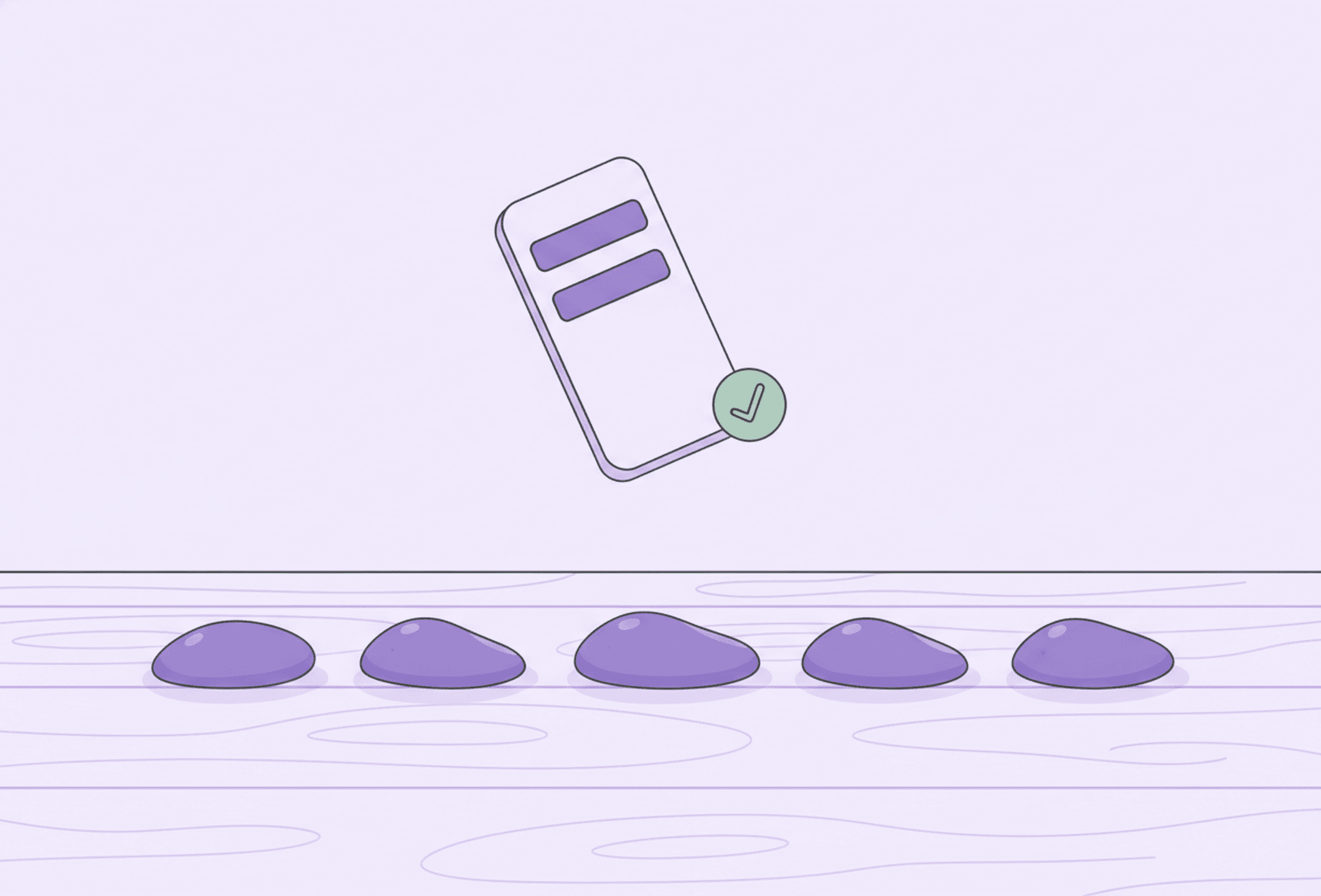


Perfectionism and Procrastination: Done Beats Perfect
As long as it is unwritten, it could still have been brilliant. That is not a standard. That is a hiding place.
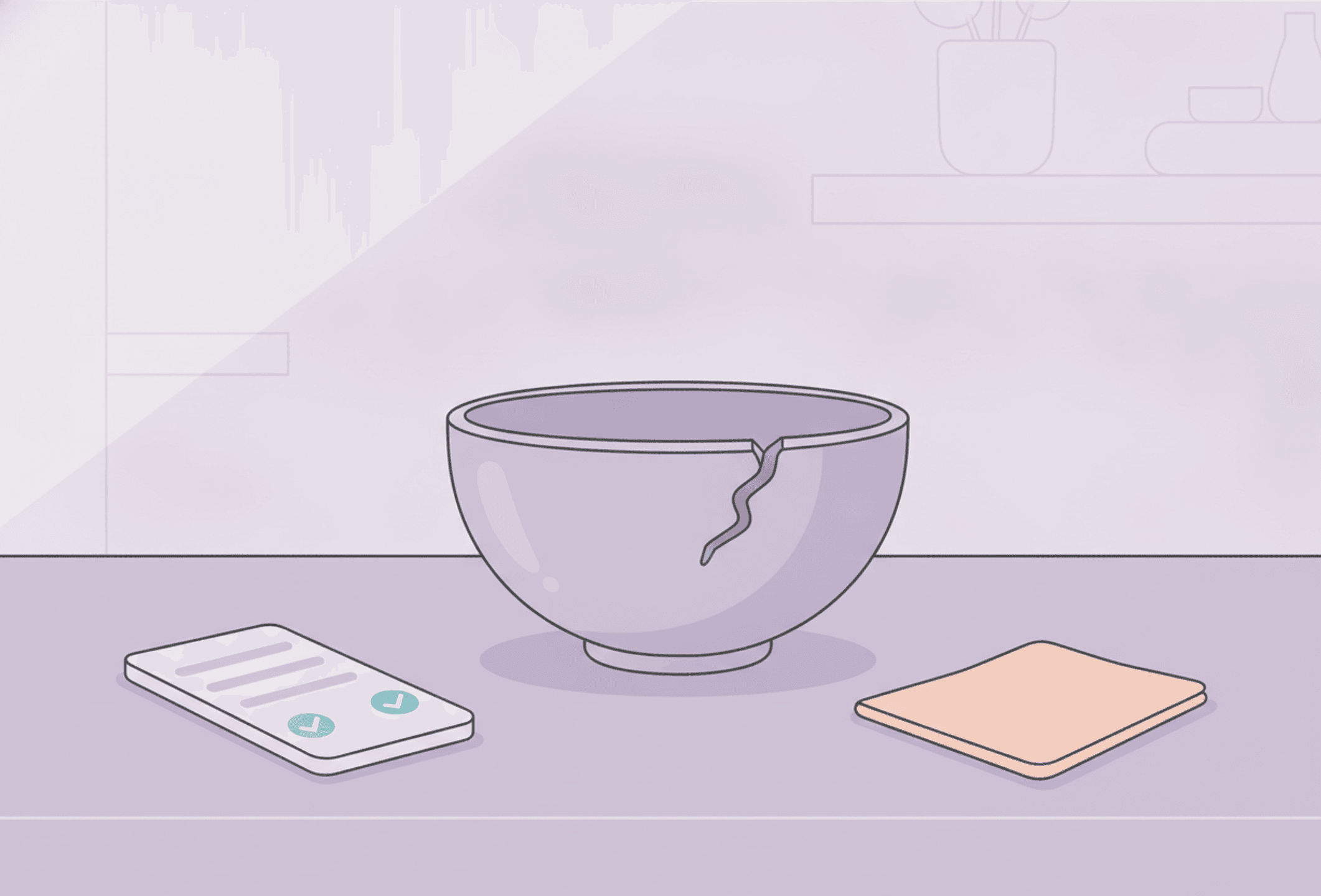
You have not started the document. Not because it is hard - you know roughly what it should say - but because the version in your head is excellent, and anything you actually type will be worse than that.
Perfectionism is not high standards. It is fear of judgement wearing respectable clothes, and it blocks you at both ends: you cannot begin until conditions are right, and you cannot finish because it is not good enough yet. People with genuinely high standards ship things. Perfectionism is the thing that prevents shipping, which is why it so often looks identical to procrastination from the outside.
And the logic is airtight in the worst way: as long as the work does not exist, it is still potentially brilliant. Finishing replaces that possibility with something real and flawed. Not starting protects the fantasy.
The ADHD flavour of it
If you grew up being told you were careless, too much, not applying yourself, you may have built an unusually thick layer of overcompensation on top. Perfectionism then is not vanity - it is armour against a criticism you have heard many times before and expect to hear again.
Two things make it worse with an ADHD brain:
All-or-nothing thinking. One flaw and the whole thing is ruined, so a document with a weak paragraph feels like a failed document rather than a nearly-finished one.
Interest-driven attention. A task you care deeply about carries more emotional weight, and emotional weight is exactly what triggers avoidance. Which produces the cruel pattern where the projects that matter most to you are the ones you touch least. If avoidance is your main symptom, the broader toolkit is in how to stop procrastinating.
Define "done" before you start
This is the highest-leverage habit on the list, and it takes one sentence.
Before you begin, write down what finished looks like. "Done is: one page, covers the three points, sent by Thursday." Now the standard was set by you, calmly, in advance - rather than by anxiety at 23:00, which will always move the bar just out of reach because that is what anxiety does.
Without a defined finish line, there is no such thing as finished. There is only "could be better", forever.
Write the deliberate B-minus version
Give yourself explicit permission for the first attempt to be mediocre. Not as a trick to sneak past your standards, but as a real decision: this draft is allowed to be bad.
It works because the blank page is the hardest part, and a bad first version converts an impossible creative problem into a manageable editing problem. Editing something ugly is enormously easier than generating something perfect.
A useful signal: if you keep researching, reorganising or gathering more references instead of producing, that is usually fear in a productivity costume.
Timebox the quality
Quality expands to fill the time you give it. An hour on the email produces an hour's worth of fiddling; twenty minutes produces a perfectly good email.
So decide the size of the box before you start - twenty minutes for this, ninety for that - and stop when the box is empty, not when the anxiety is satisfied. The anxiety is never satisfied; that is its defining feature. A visible timer helps here, because it moves the stopping decision out of your head and onto something external.
Separate making from judging
You cannot create and evaluate at the same time. Trying to do both is why some people write one sentence, delete it, write it again, and produce nothing in an hour.
Split them explicitly. Make now: keep going, keep typing, no re-reading. Judge later: a separate session, ideally another day, where your job is only to improve what already exists.
The order matters. Judging first produces nothing to judge.
Ship something small on purpose
The fear is mostly untested. So test it cheaply.
Send a slightly rough email. Publish the post without the fourth revision. Hand in the good-enough version. Then observe what actually happened - which is, almost always, nothing. Nobody noticed. The world continued.
That evidence does more to loosen perfectionism than any amount of reasoning about it, and it accumulates: each small survived imperfection makes the next one easier. That is small wins applied to fear rather than to motivation.
Count finished things, not flawless things
What you measure is what you become. If your internal scoreboard tracks how impressive things were, you will keep polishing. If it tracks how many things you finished, you will start finishing.
This is where identity-based habits do the heavy lifting: not "I must produce excellent work" but "I am someone who finishes things". The second identity survives a mediocre Tuesday. The first one does not, and a perfectionist has a lot of mediocre Tuesdays to survive.
The deeper mechanics of building that kind of identity are in how to build a habit that sticks - and finishing is a habit like any other. It gets easier with reps, and every rep requires letting something imperfect out into the world.
Done is what actually helps people
The unwritten excellent document helps nobody. The decent one that exists helps someone on Thursday.
Perfectionism shrinks when finishing becomes ordinary. Not because your standards dropped, but because you finally have real work to hold them against.
Read more
Frequently asked questions
Is perfectionism the same as having high standards?
No. People with genuinely high standards finish things and then improve them. Perfectionism prevents finishing, because an unfinished piece of work can still be imagined as brilliant while a finished one is definitively flawed. That is why perfectionism so often looks identical to procrastination from the outside - the mechanism is avoidance of judgement, not pursuit of quality.
How do I stop perfectionism from blocking me?
Define what "done" means in one sentence before you start, so the bar is set by you in a calm moment rather than by anxiety mid-task. Give the first draft explicit permission to be mediocre, timebox the work so quality cannot expand indefinitely, and keep making and judging in separate sessions. Then ship something slightly rough on purpose and notice that nothing bad happens.
Why is perfectionism common with ADHD?
Often because years of criticism about carelessness or not applying yourself produce overcompensation - perfectionism as armour rather than vanity. All-or-nothing thinking makes one flaw feel like a ruined whole, and because ADHD attention is interest-driven, the projects you care most about carry the most emotional weight, which is exactly what triggers avoidance. Hence the pattern of neglecting what matters most.
What is the fastest way to finish something I keep polishing?
Set a timer, decide in one sentence what finished looks like, and stop when the timer ends rather than when the anxiety is satisfied - it never will be. Then send it. Counting finished things instead of flawless things retrains the scoreboard, and each imperfect thing you survive releasing makes the next one measurably easier.