



One Habit at a Time: Why the Total Overhaul Always Fails
On Sunday you decided to change seven things. By Thursday all seven were gone, and you concluded the problem was you.
On Sunday you decided to change seven things. By Thursday all seven were gone, and you concluded the problem was you.

The hard part of a new habit is rarely the habit itself — it's remembering to do it. Habit stacking solves that by attaching the new thing right after something you already do, so the old routine becomes the reminder.

You promised yourself a weekend away if you went to the gym for three months. You went twice. The promise was never the problem.

You are not going to out-discipline a bowl of sweets on the counter. Move the bowl.
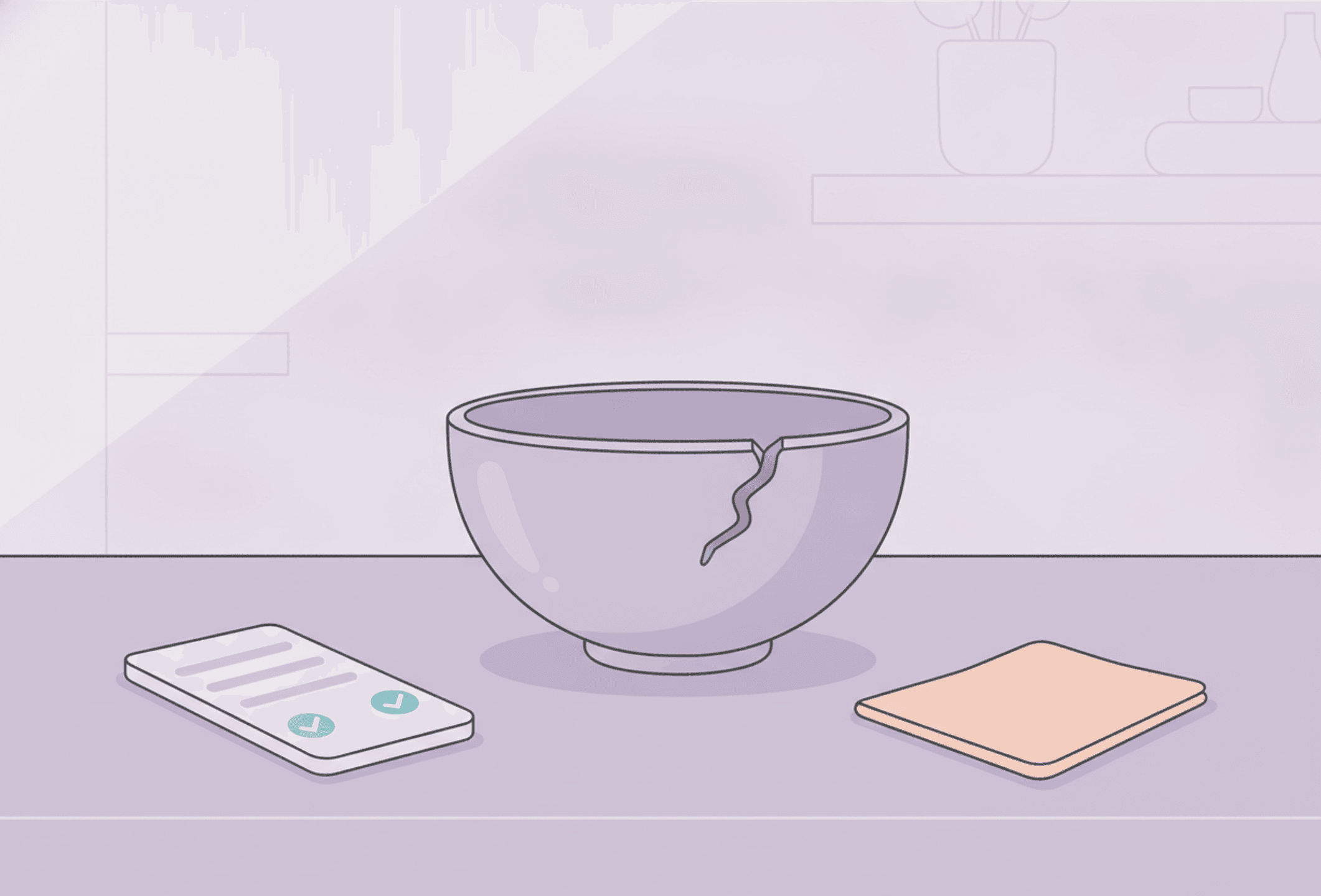
As long as it is unwritten, it could still have been brilliant. That is not a standard. That is a hiding place.

You had a good run. Then you missed a day, then a week, and now opening the app feels like being told off. Here is the way back in.
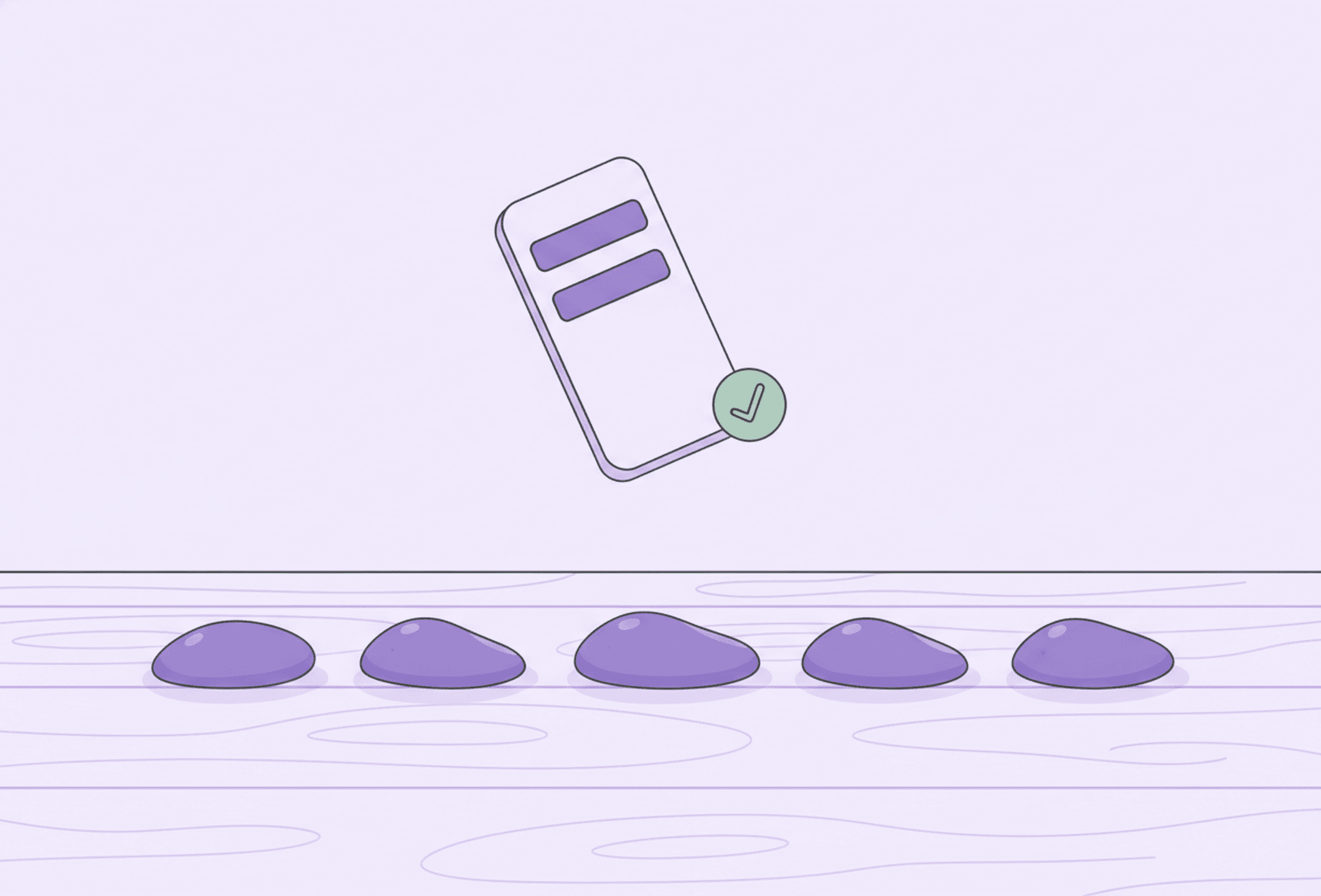
"I want to run a marathon" is a goal. "I'm a runner" is an identity. The second holds better - but if you have fifteen abandoned systems behind you, the standard advice needs one important change.

The 21-day rule comes from a 1960s plastic surgeon and was never about habits. Here is the real number, where it came from, and the finding that matters far more than the number itself.

Movement is one of the most reliable non-medication supports for an ADHD brain, and one of the hardest habits to keep. Here's the honest version of both halves, and how to make it stick anyway.

Most goals don't die from laziness — they die from vagueness and the lack of a system. Here's a calm, practical way to set goals you'll actually achieve: make them specific, break them into milestones, and build them into a repeatable routine.

Jerry Seinfeld once told a young comic to mark a big X on a calendar every day he wrote, and never break the chain. It's a genuinely effective habit method for ADHD brains, with a few honest tweaks so one bad day doesn't take the whole habit down.

A habit so small it feels like cheating is the one that survives. Why micro-habits beat ambitious plans with ADHD, and how to let one grow without breaking it.

The strongest daily motivator isn't pressure — it's visible progress, and small wins count in full. Here's how to engineer one guaranteed win and let it chain into the work that matters.

You've promised yourself the same thing eleven times. Saying it out loud to one other person, and checking in weekly, changes the odds more than any app.
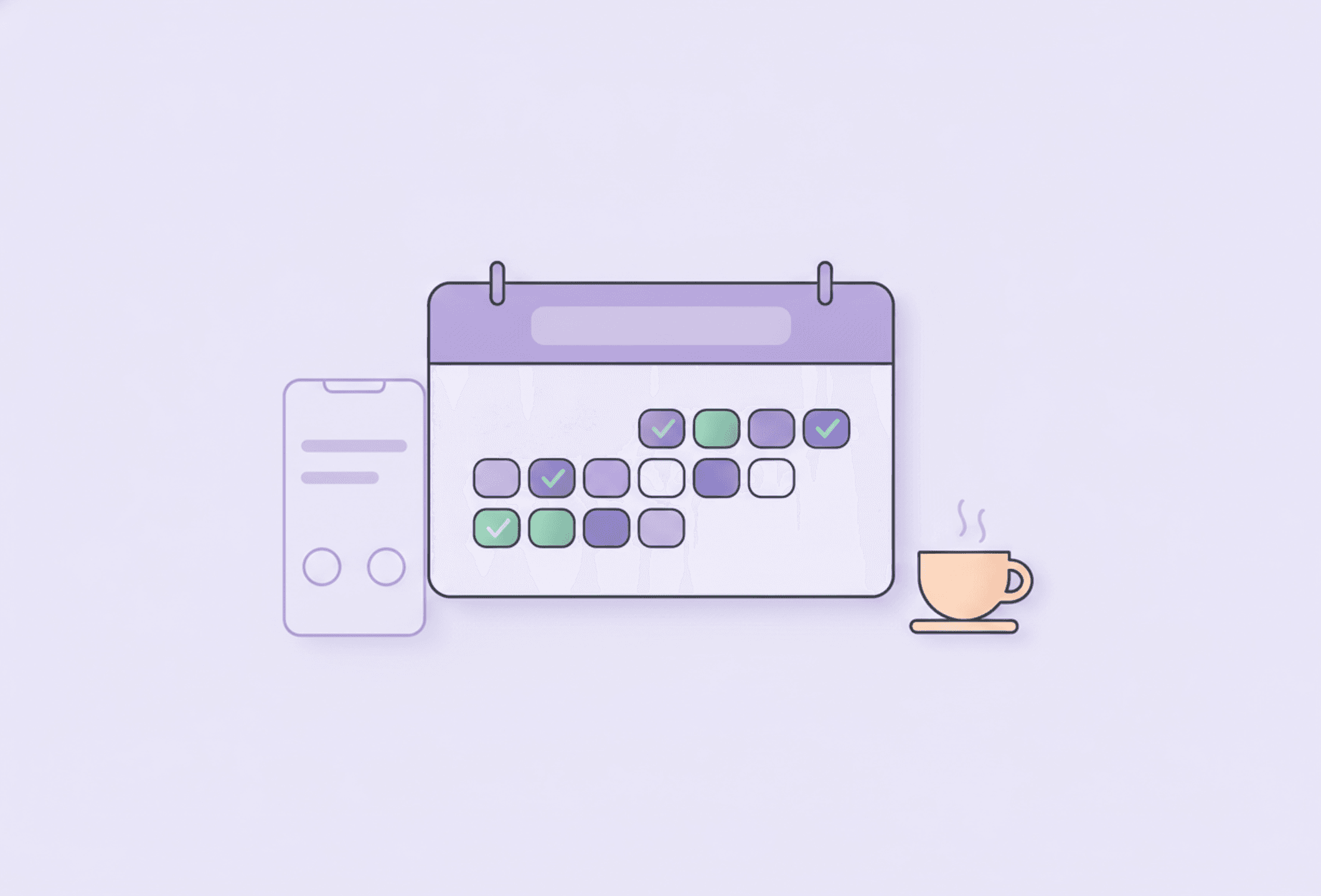
A streak can carry you through weeks you'd otherwise skip, right up until you break it and quit entirely. Here's how to keep the motivation without the crash.

You know exactly what you want to do. You just never remember at the moment it matters. That's a cue problem, not a discipline problem, and cues are fixable.

Vague goals like be more organised quietly die. If-then planning gives them a trigger and an action: when X happens, I'll do Y. It's one of the most evidence-backed tricks for following through.

Only let yourself binge that show while you fold laundry. Save the good podcast for the walk. That's temptation bundling: pair a should with a want, and the boring thing gets a lot easier.

Telling yourself to just stop almost never works. Bad habits aren't broken by willpower, they're rebuilt. Here's how to change the loop behind the habit instead of fighting it head-on.

Habit tracking is one of the most recommended tools and one of the easiest to quit. Done right it motivates ADHD brains; done wrong it breeds guilt. Here is how to do it right.

Forget the 21-day myth. Here's what it actually takes to build a habit — plus a step-by-step system to make it tiny, obvious and rewarding enough to survive even a bad day.
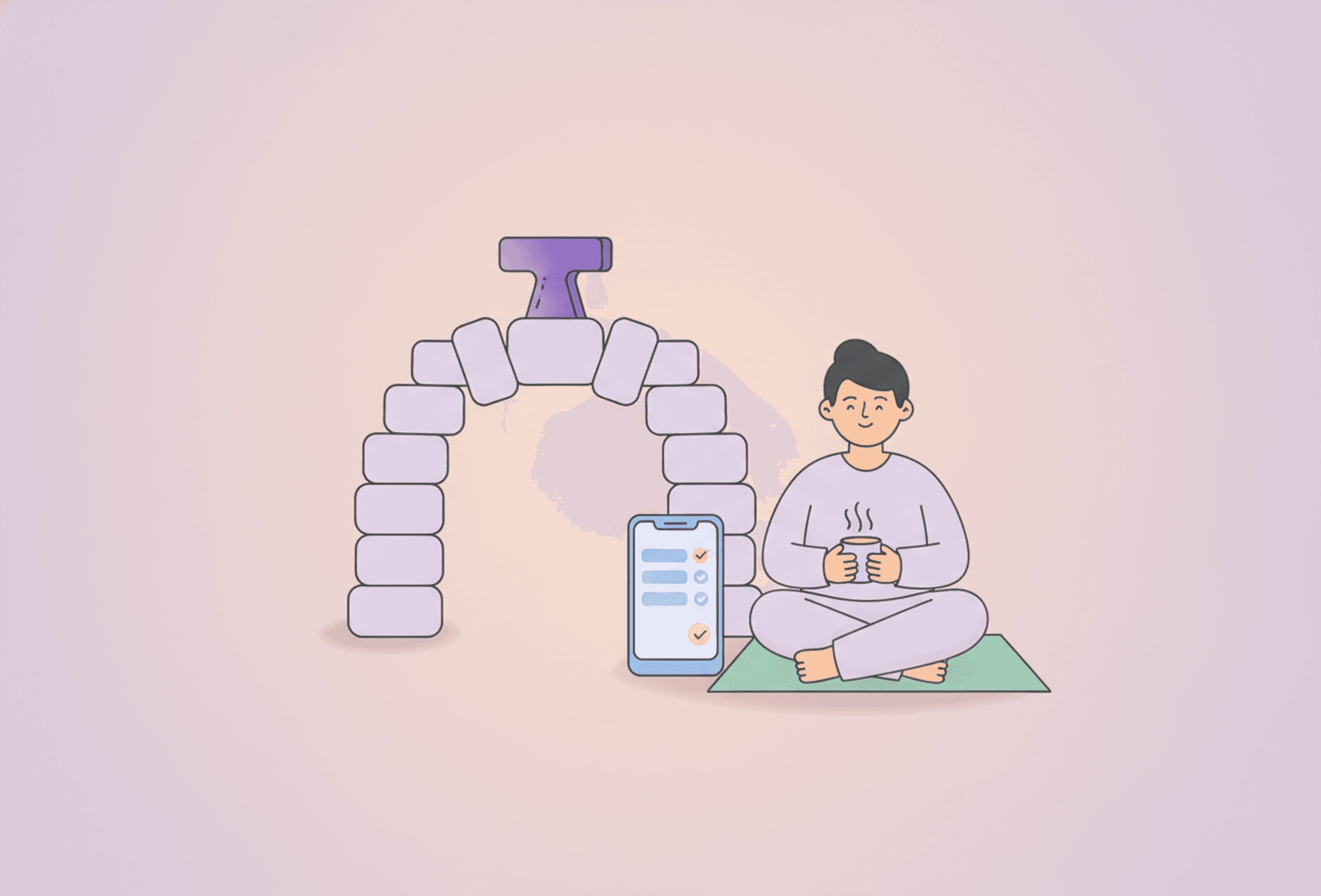
Some habits quietly drag others along behind them. Change one keystone habit and several more improve almost by themselves. Here is how to find yours.