

How to Break a Bad Habit (Without Willpower)
Telling yourself to just stop almost never works. Bad habits aren't broken by willpower, they're rebuilt. Here's how to change the loop behind the habit instead of fighting it head-on.
Most advice about bad habits boils down to just stop, and most of us already know how well that works. You resolve to quit, white-knuckle it for a few days, and then one tired evening the habit is back. The problem isn't that you lack willpower. It's that you're trying to delete a habit instead of changing it.
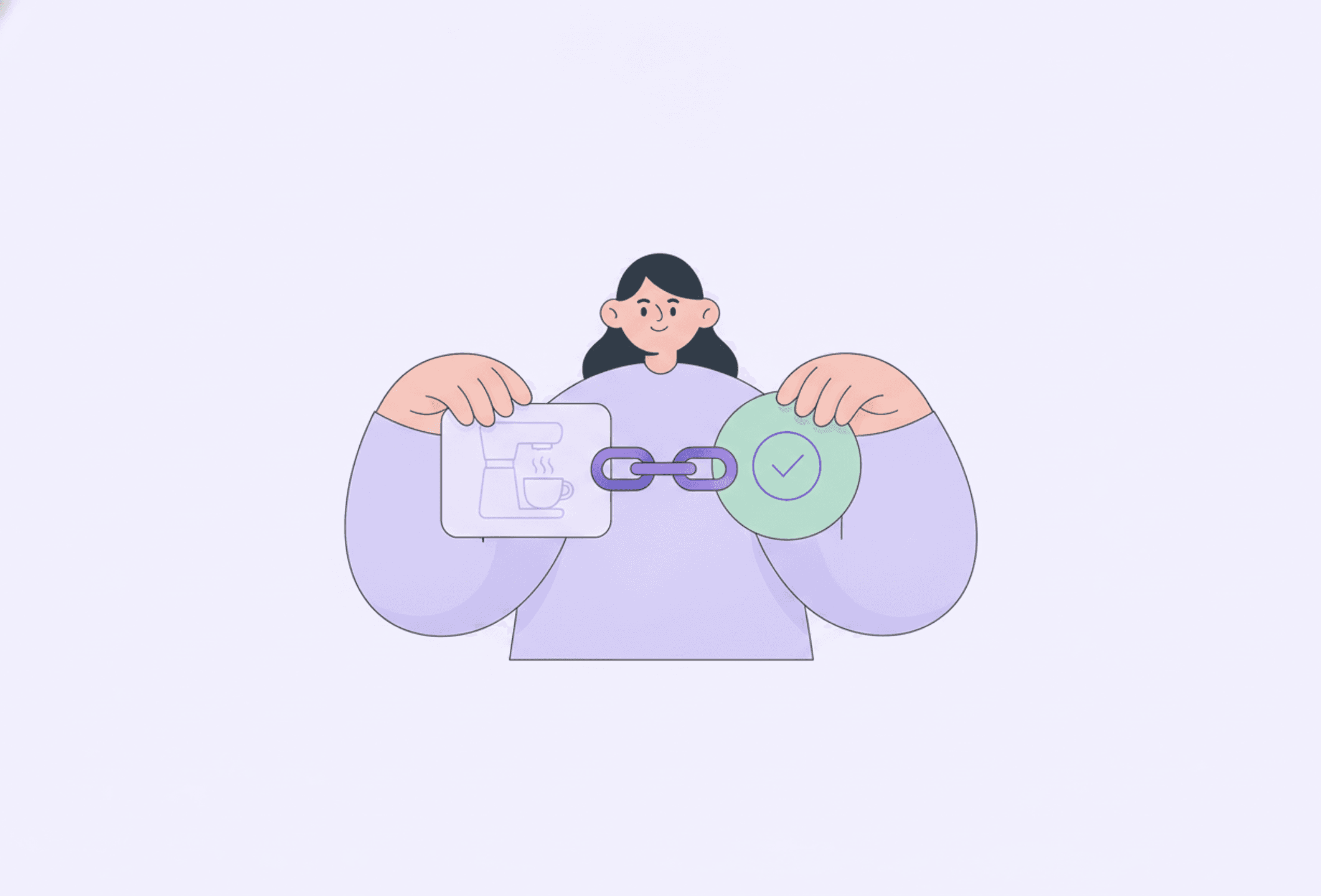
A habit is a loop: a cue triggers a routine that delivers a reward. You scroll (routine) when you feel bored (cue) because it gives you a quick hit of stimulation (reward). You can't just erase that loop, but you can reshape it. Here's how to break a bad habit without relying on willpower you won't always have.
Why willpower fails
Willpower is a limited, tiring resource, and bad habits are most tempting exactly when it's lowest: when you're stressed, tired, bored or overwhelmed. For ADHD brains this is doubly hard, because many bad habits, scrolling, snacking, channel-flipping, are really attempts to get stimulation or soothe a restless mind. Fighting the urge head-on means losing the same battle every day. It's far more effective to redesign the situation so the urge fires less often and the better option is easier.
Find the cue and the reward
Before you can change a habit, you have to understand it. Next time you catch yourself in the act, get curious instead of guilty and ask:
- What triggered it? A time of day, a place, a feeling, finishing something, or another action (you sit on the sofa → you reach for your phone).
- What reward am I getting? Stimulation, comfort, escape, a break, connection? Name the real payoff, it's rarely the obvious one.
Once you know what the habit is doing for you, you can meet that need a better way instead of just forbidding it.
Reshape the loop
You don't break the loop by deleting it, you rebuild it piece by piece:
- Make the cue invisible. The easiest habit to skip is the one that never gets triggered. Charge your phone in another room, keep the snacks out of sight, log out of the app. This is the single highest-leverage move, the opposite of the cue-building you'd do for a good habit.
- Add friction. Make the bad habit slightly harder: delete the app and use only the browser, put the remote in a drawer. A small obstacle is often enough to break the autopilot.
- Swap the routine, keep the reward. Don't just remove the habit, replace it with something that meets the same need. Restless and need stimulation? Try a short walk or a fidget. Need a break from work? Step outside instead of opening social media.
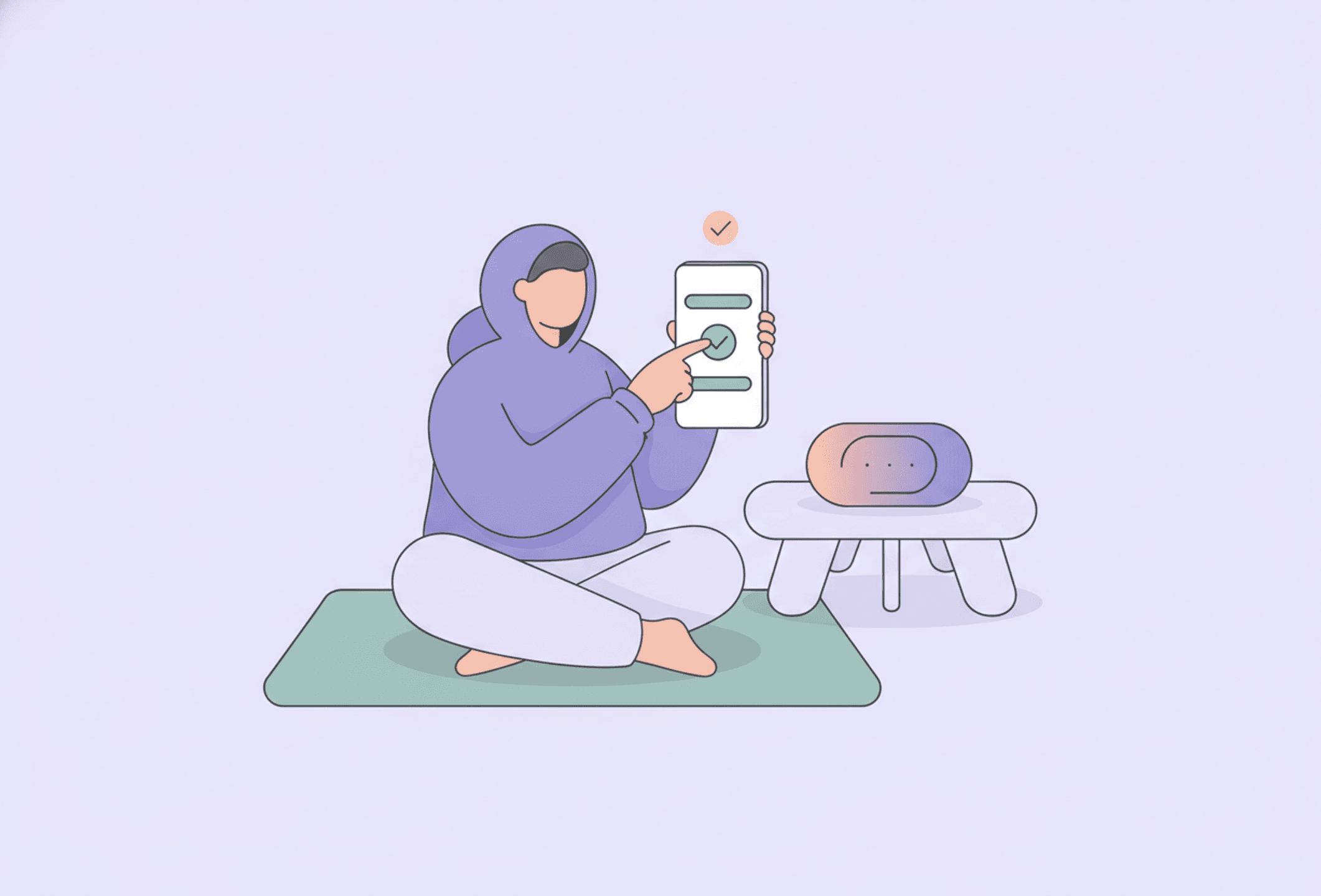
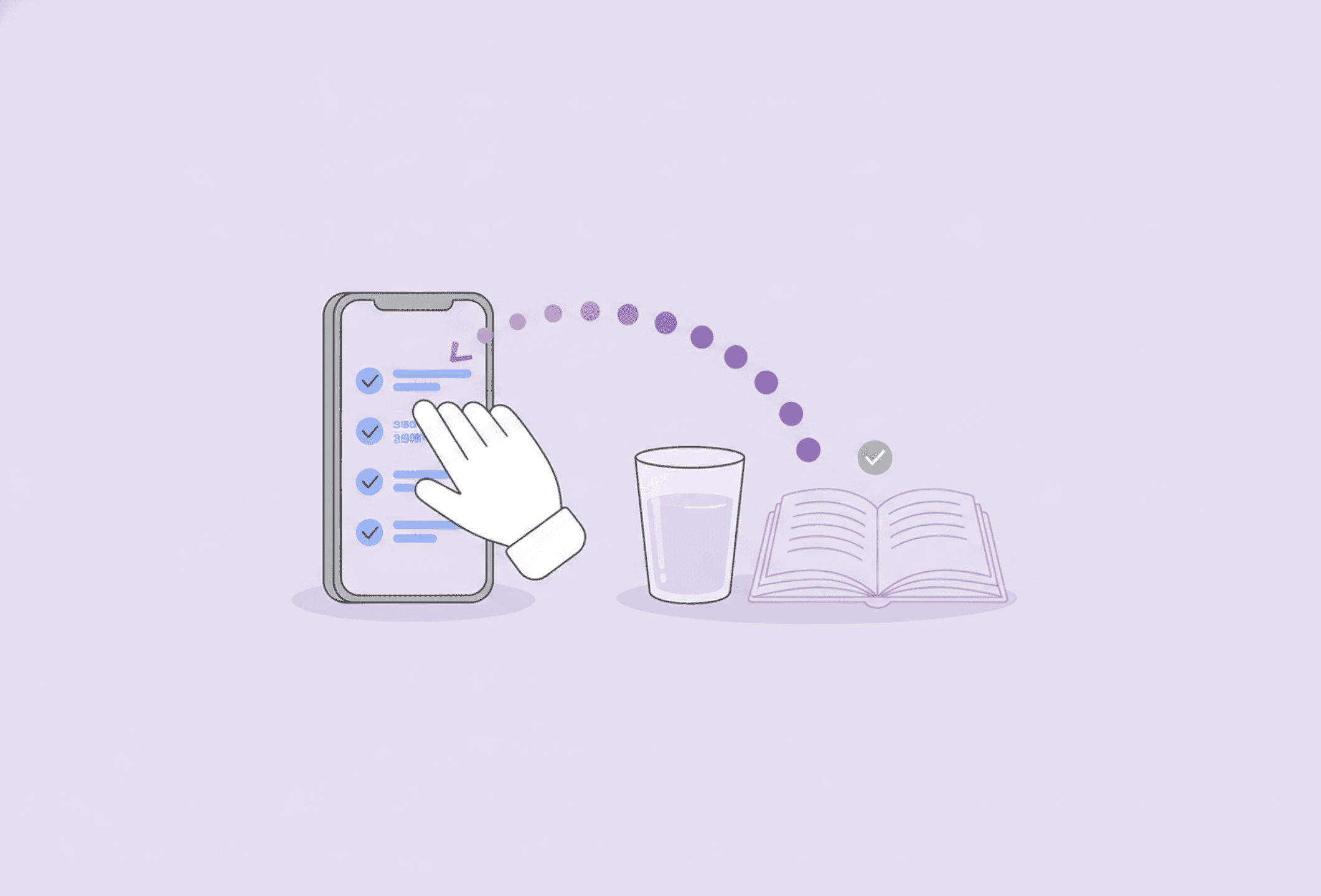
- Make the better option easy. Lower the activation energy for the replacement: water bottle filled and visible, book on the pillow, walking shoes by the door. Reach for the easy good thing instead of the easy bad thing.
Expect slip-ups, and plan for them
You will slip. Everyone does, and a slip is not a failure unless you use it as a reason to give up. The all-or-nothing thinking that says I scrolled for an hour, might as well write off the whole day is what actually breaks change. The rule that protects you is simple: never miss twice. One slip is a moment; two in a row is the habit creeping back. Notice it, shrug, and get back on track at the very next opportunity.
Be patient and stack small wins
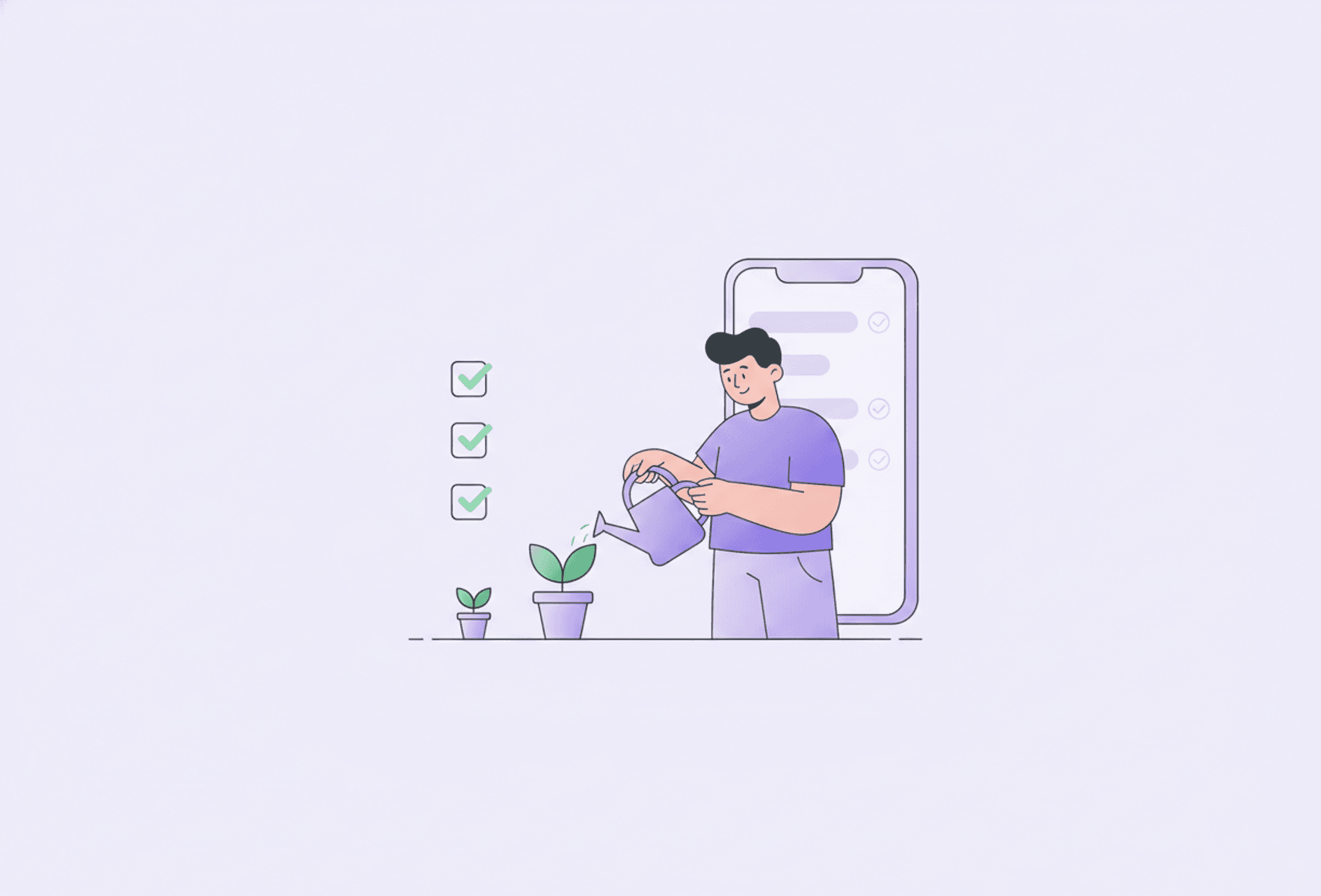
Habits fade slowly, not overnight, and the ones you've had longest take the most patience. Don't try to break five habits at once, pick the single one that's costing you the most and put all your attention there. Small wins build momentum and belief, the same way they do when you're building a habit rather than breaking one. Each time you choose the better routine, the loop gets a little weaker.
The takeaway
You can't will a bad habit away, but you can make it harder to trigger, easier to swap, and slower to win. Find the cue and the reward, hide the cue, add friction, replace the routine with something that meets the same need, and forgive the slips. Change the loop, not your character.
Read more
Frequently asked questions
How do I break a bad habit?
Don't try to delete it, reshape the loop behind it. Find the cue that triggers it and the reward it gives you, then make the cue invisible (phone in another room, snacks out of sight), add friction so the habit is harder, and swap the routine for something that meets the same need. Change the situation, not just your willpower.
Why is willpower not enough to break a habit?
Willpower is limited and runs lowest exactly when bad habits are most tempting, when you're tired, stressed or bored. Many bad habits are also attempts to get stimulation or comfort, which is doubly true for ADHD. Redesigning your environment so the urge fires less and the better option is easier beats fighting the urge every day.
How long does it take to break a bad habit?
It varies, and longstanding habits take the most patience, often weeks. There's no fixed number. Focus on one habit at a time, expect slip-ups, and judge progress by the trend rather than a perfect streak.
What should I do when I slip up?
Treat one slip as a moment, not a failure, and follow the never-miss-twice rule: get back on track at the very next opportunity. The real damage comes from all-or-nothing thinking that turns one slip into giving up for the day.