

Single-Tasking: How to Stop Multitasking and Get More Done
Juggling everything at once feels productive but finishes nothing. Single-tasking is slower-feeling and faster-finishing. Here is how to do one thing at a time.
Multitasking feels productive: juggling email, a report and a chat all at once. But the brain does not really do two things at the same time; it switches between them, and each switch has a cost. For ADHD brains, already prone to distraction, that cost is steep. Single-tasking, doing one thing at a time, feels slower but finishes faster. Here is how.
Multitasking is a myth
What we call multitasking is really fast task-switching. Each switch makes your brain reload context, and a bit of attention stays stuck on the last task, what researchers call attention residue. The result is more errors, slower work, and more mental fatigue than doing the same tasks one by one.
Why it hits ADHD harder
ADHD already makes attention harder to steer and easier to hijack. Every open tab, ping and half-finished task is another pull. Trying to multitask multiplies both the switching cost and the overwhelm, and makes it even harder to reach the deep, satisfying focus that ADHD brains actually crave.
How to single-task
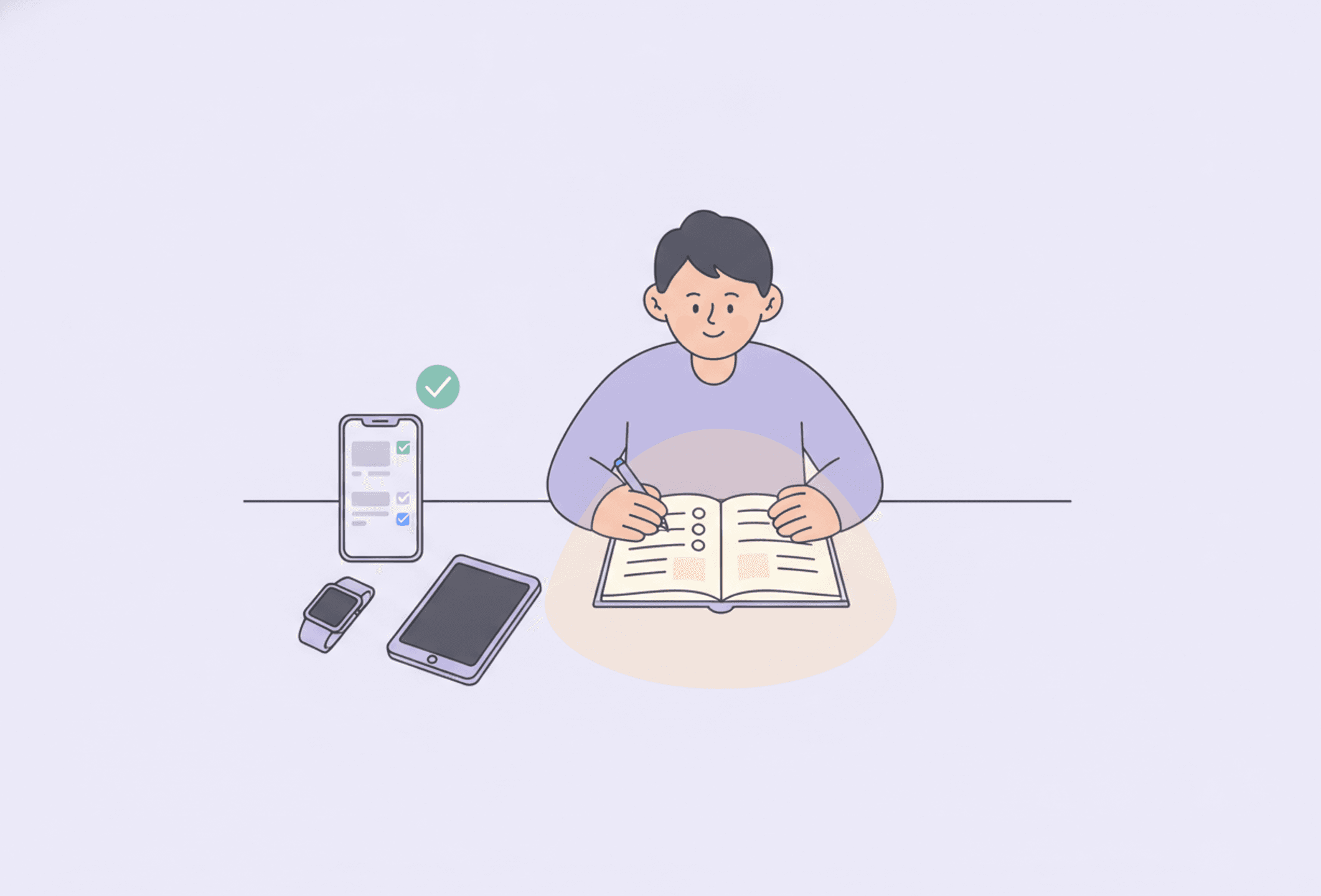
- One task, in view. Decide the single thing you are doing now and make it the only thing on your screen and desk.
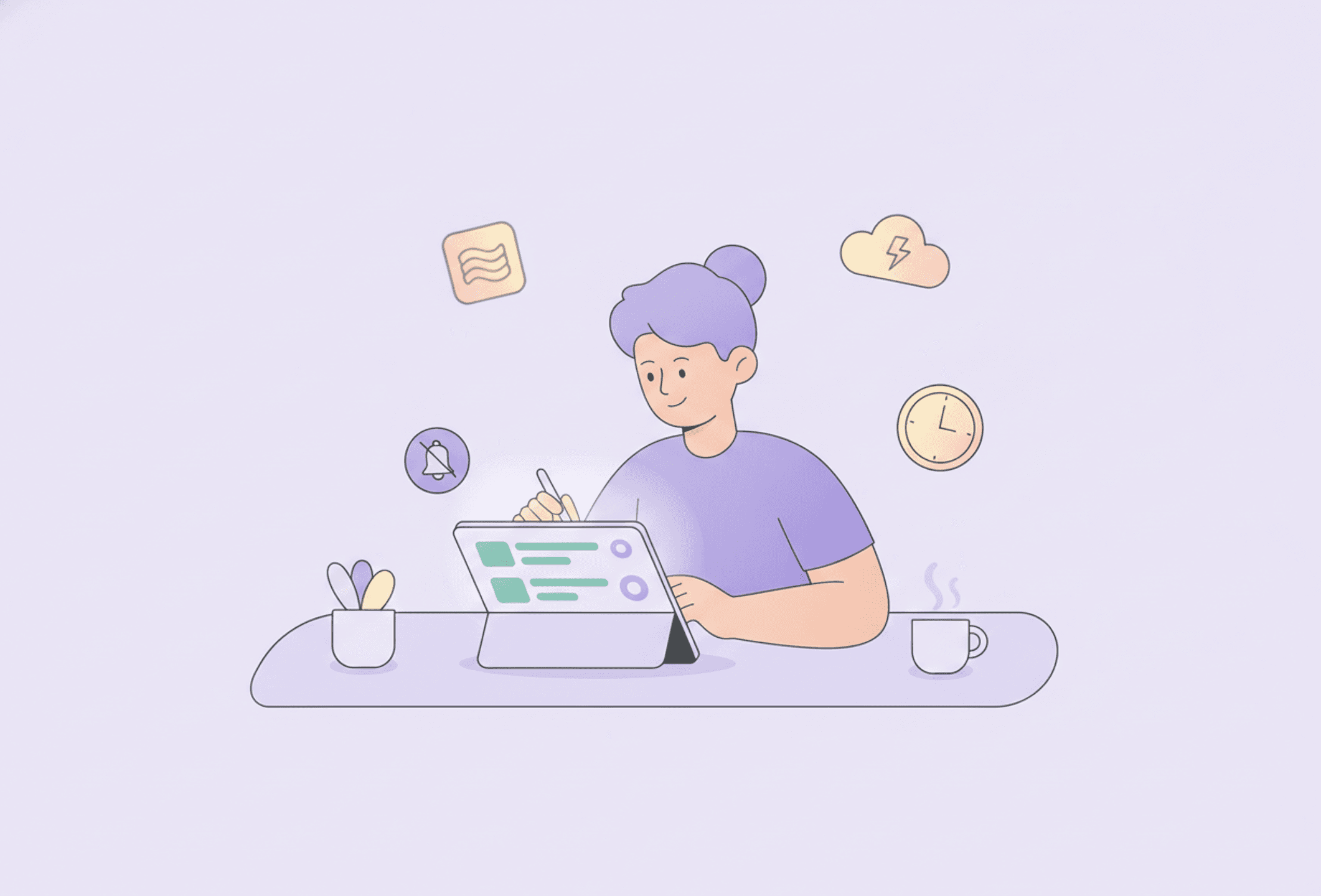
- Close the doors. Shut other tabs and apps, silence notifications, put the phone in another room.
- Capture, do not chase. When a stray thought or new task pops up, jot it on a notepad and carry on; do not act on it now. A quick brain dump before you start helps.
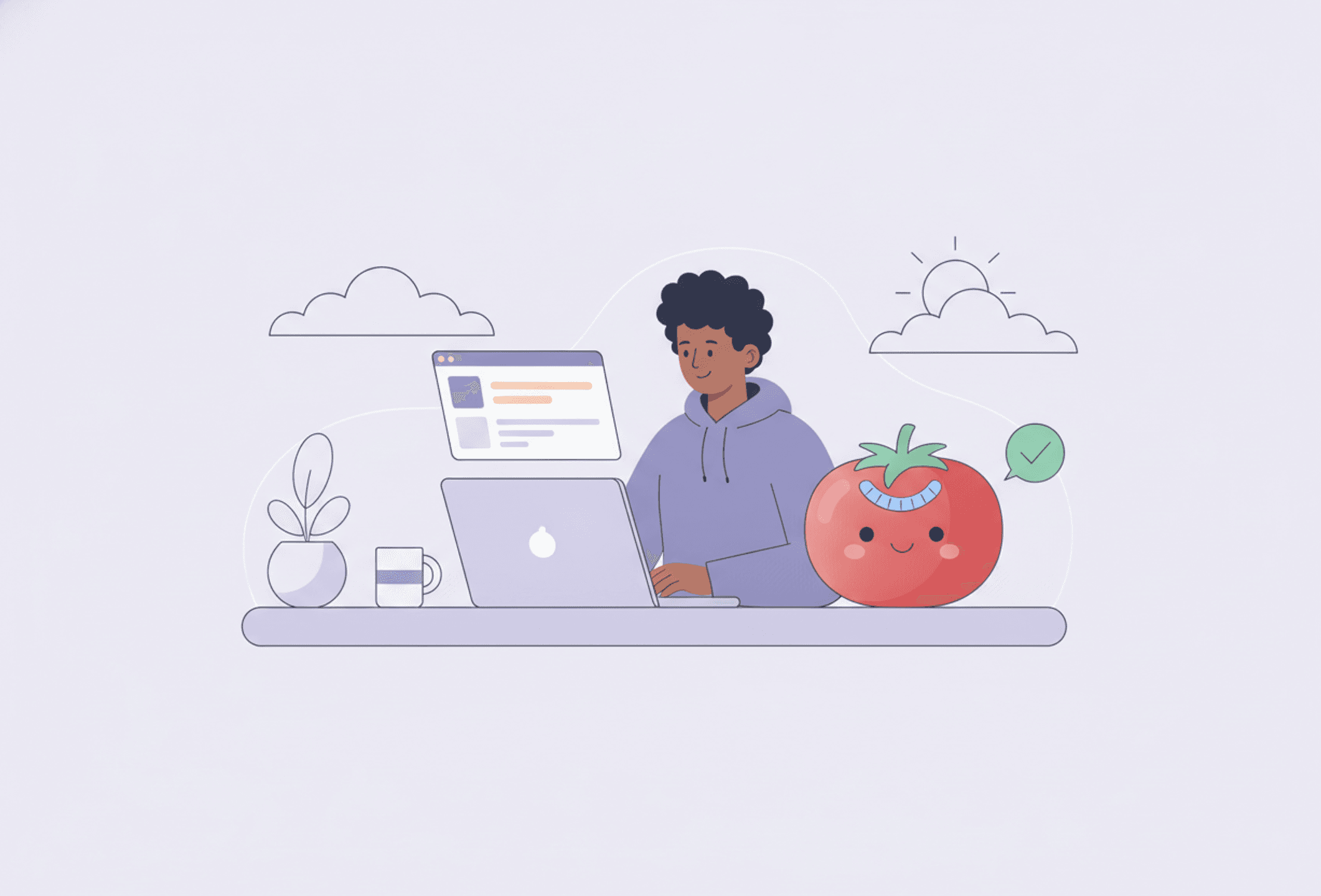
- Work in blocks. A timer, like a pomodoro, gives one task a clear start and end so you are less tempted to drift.
- Batch similar tasks. Group all your emails or calls together instead of sprinkling them through the day, so you switch contexts less.
When you have to switch
Sometimes switching is unavoidable. Soften the cost: finish a thought, or jot where you were, before you jump, so picking it back up is easy. A two-line next-step note beats trusting your memory after an interruption.
Be realistic
You will not single-task perfectly, and you do not need to. The goal is fewer things competing for your attention at once, more often. Even cutting from five open things to one or two makes the work feel calmer and go faster.
How it helps
Single-tasking trades the buzzy illusion of doing everything for the real satisfaction of finishing something. For an ADHD brain, that one completed task, and the small hit of done, is worth far more than a dozen half-done ones.
Read more
Frequently asked questions
Is multitasking actually bad?
For focused work, yes. The brain switches rather than truly multitasks, and each switch costs time, accuracy and energy. Doing one thing at a time is usually faster and less tiring.
Why is single-tasking hard with ADHD?
ADHD makes attention easier to hijack, so every tab, notification and stray thought pulls you away. There is more to resist, which is why removing distractions matters more, not less.
How do I stop multitasking?
Pick one task and make it the only thing in view, close other tabs and silence notifications, capture stray thoughts on a notepad instead of acting on them, and work in timed blocks. Batch similar tasks together.
What is attention residue?
The part of your focus that stays stuck on a previous task after you switch. It is why jumping between tasks leaves you scattered and slower, and why single-tasking avoids it.