


How to Study With ADHD (When Rereading Does Nothing)
You reread the chapter three times and remember none of it. The problem is not effort. It is that rereading is the least effective method there is.
Tips, advice and insights for a calmer everyday life with ADHD - routines, planning and focus.
You reread the chapter three times and remember none of it. The problem is not effort. It is that rereading is the least effective method there is.

Four thousand unread. You are not behind on email - you are being asked to hold four thousand open decisions in your head at once.

You know what you need to do. The thought is right there. It just will not turn into movement, and reading the same line four times has not helped.
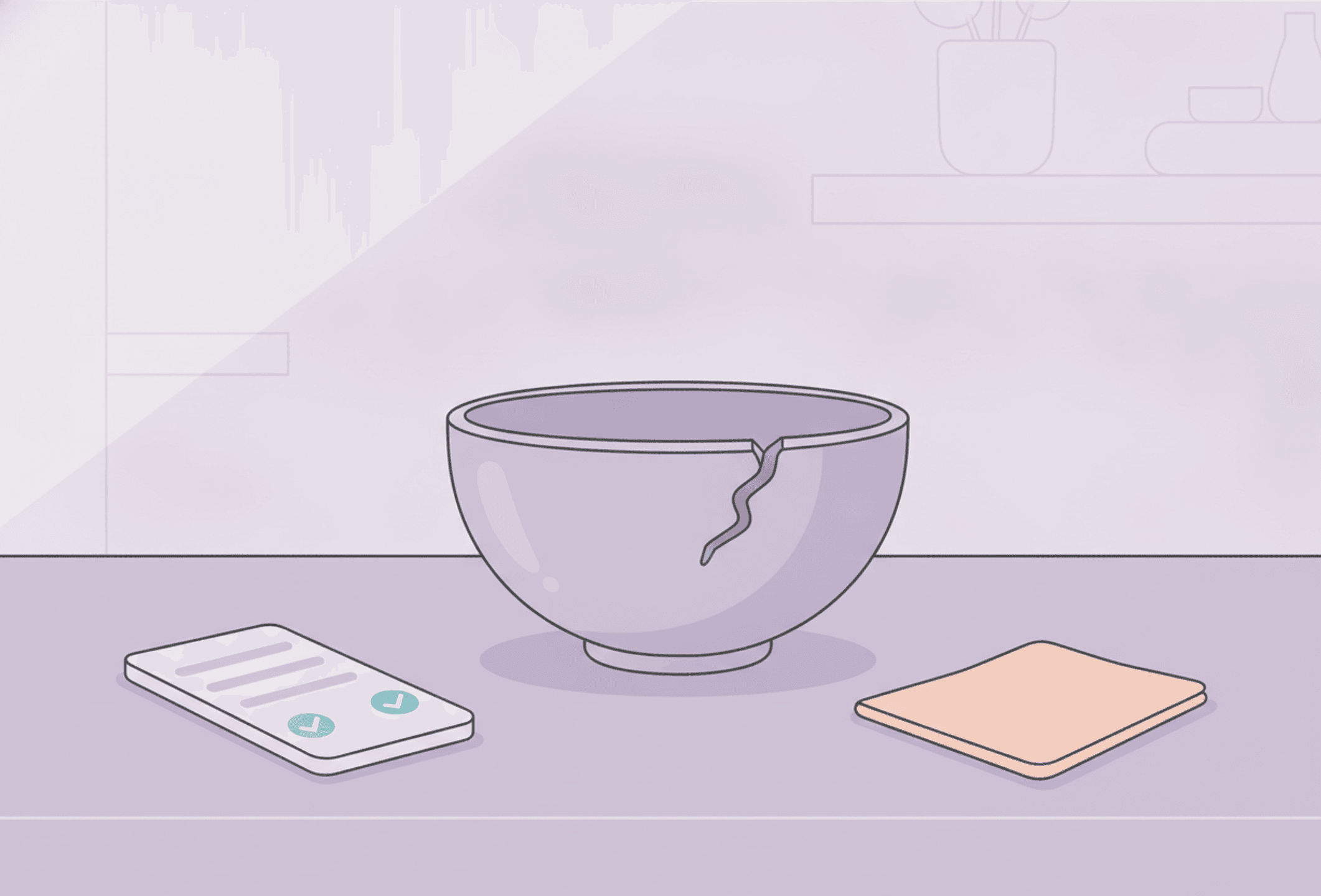
As long as it is unwritten, it could still have been brilliant. That is not a standard. That is a hiding place.

The goal is not to love dawn. It is to have mornings that do not hurt - and that turns out to be a much more achievable target.
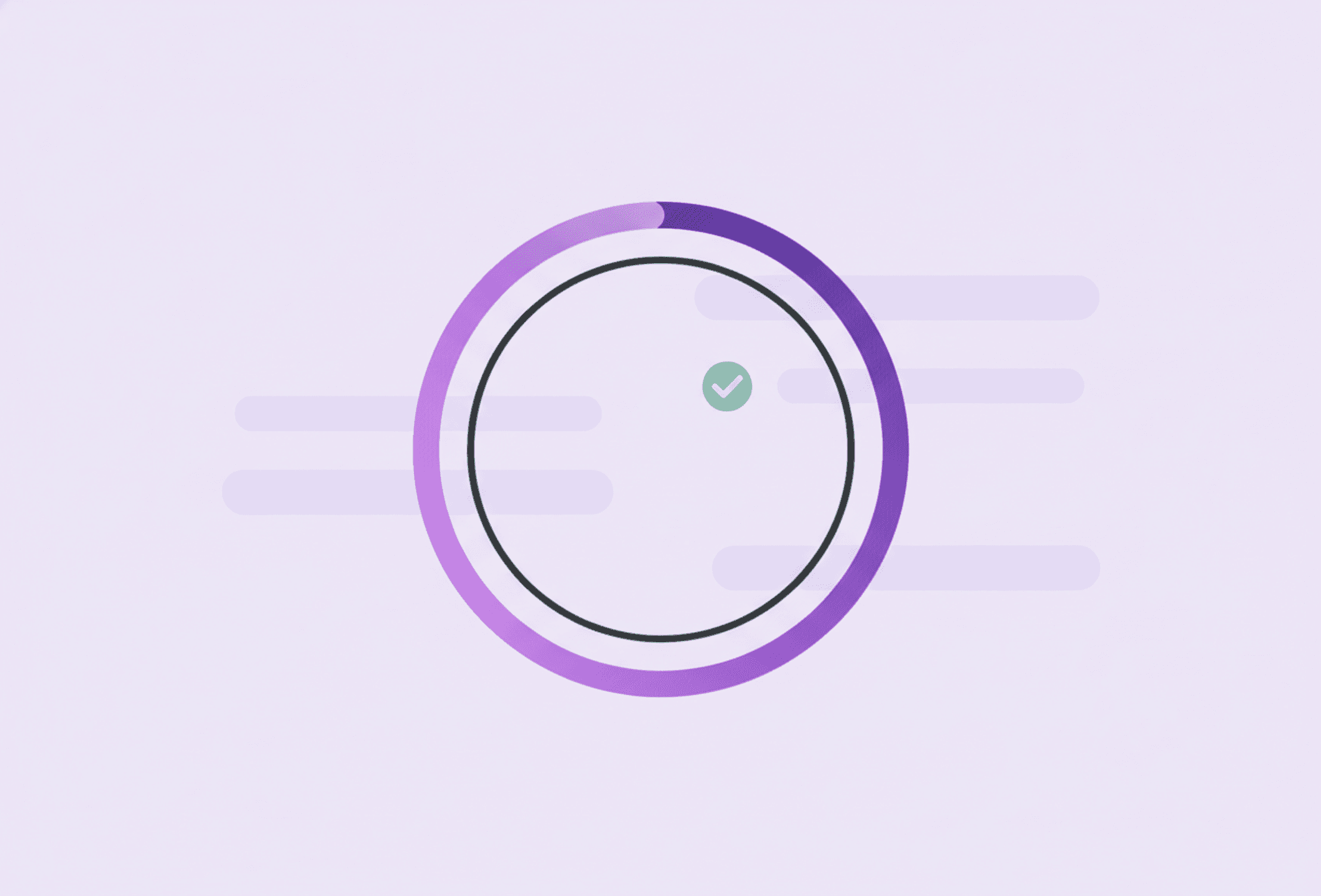
You cannot feel forty minutes passing. You can watch a colour disappear. That difference is the whole trick.
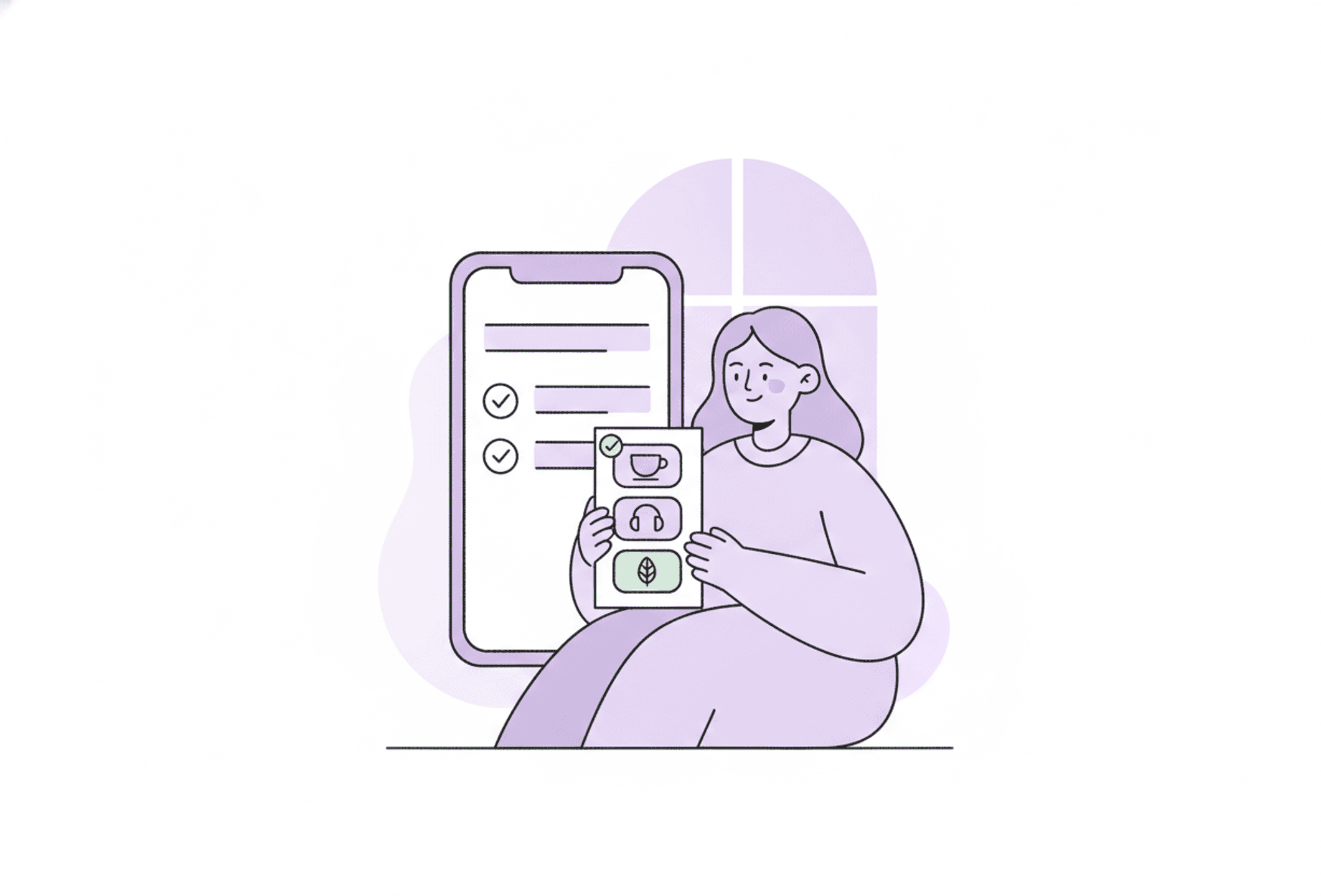
A dopamine menu is a ready-made list of feel-good, kind activities you can pick from when motivation runs low. Instead of defaulting to your phone, you've already decided what actually lifts you. Here's how to build your own, course by course.

You walk into the kitchen and the errand is gone. It is not carelessness - working memory is the brain's scratchpad, and ADHD makes it smaller and easier to overwrite. The fix is not holding on harder; it is moving what you are holding out of your head.

You had a good run. Then you missed a day, then a week, and now opening the app feels like being told off. Here is the way back in.
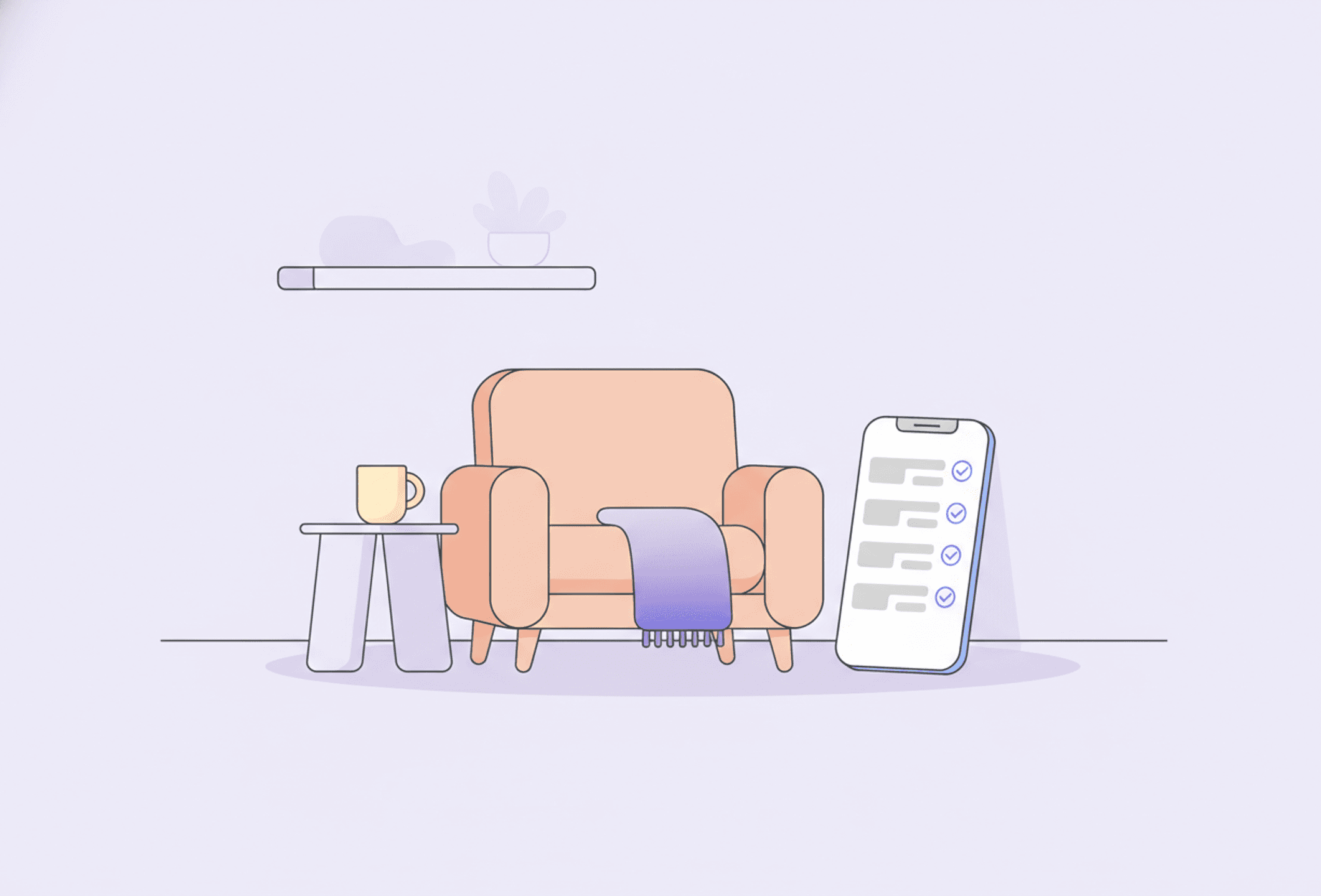
The internet version takes six hours and a matching label maker. The useful version takes ninety minutes with a timer, and it changes how Monday feels.
You are not avoiding the task. You are avoiding a feeling the task produces. Work out which feeling it is today, and the fix gets specific.
The yes feels warm and generous in the moment. The cost lands two weeks later, when three promises hit the same afternoon. Why quick yeses happen, and how to give your calendar the last word.