ADHD at Christmas: A Calmer Way Through December
December adds a project with hard deadlines and social consequences to a normal month - in the darkest weeks of the year.
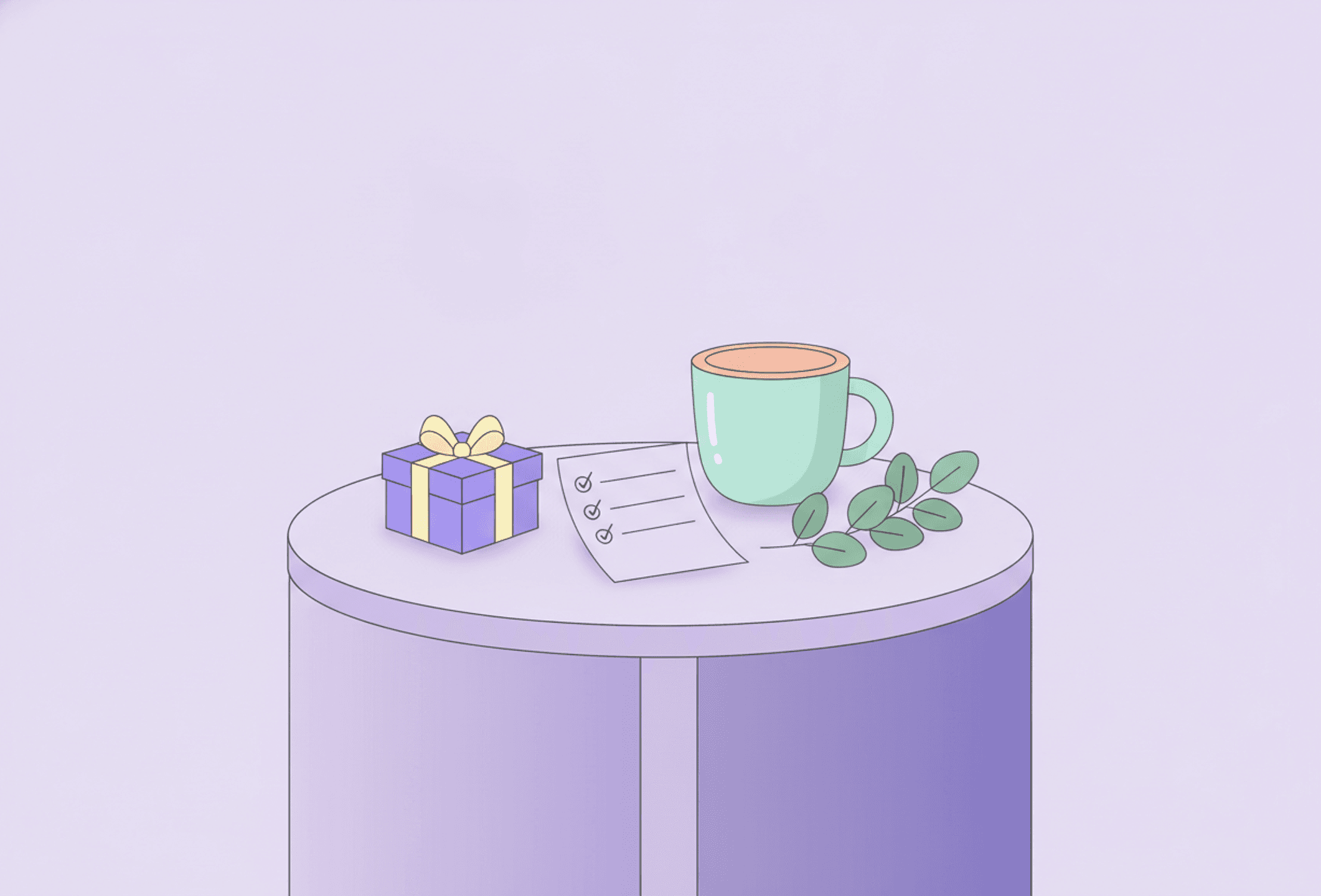
Somewhere in late November, a second job quietly appears. Gifts for eleven people. Food for a day that has to work. Travel, cards, a work party, two family negotiations and a school thing.
None of it is optional, all of it has a fixed date, and all of it lands in the darkest weeks of the year.
ADHD at Christmas is not hard because you are bad at Christmas. December stacks the exact demands that executive function is worst at - dozens of small deadlines, decisions with an audience, disrupted routines, high sensory load and no slack - into the month with the least available energy. The season is manageable, but only if you deliberately shrink it and do the deciding in November.
Why December is structurally hard
It is a project, and nobody hands you the project plan. Gifts, food, travel, cards and events are perhaps forty small tasks with dependencies, and they arrive disguised as a feeling rather than a list.
Every one of them has a hard deadline and an audience, which turns ordinary lateness into something that looks like it says something about you. The routines that quietly carry your week - the same days, the same hours, the same food - disappear for two weeks. The sensory load is high in shops, in crowded rooms, in family houses. Money is under pressure. And it all happens in the darkest part of the year, when everything already costs more.
That is a lot of separate problems, and it is worth treating them as separate problems rather than as one large feeling.
Do the deciding in November
The expensive part of gifts is not buying them. It is choosing them - eleven open questions, each with the possibility of getting it wrong in front of someone.
So sit down once, in November, with the list of names, and decide all of them in a single session. Write the decision next to each name even if it is "book, no idea which yet". Decision fatigue is the actual enemy here, and eleven decisions made in one sitting cost far less than eleven decisions made eleven times in the shower.
Two things make this easier and neither of them is cheating: buying the same thing for several people is a legitimate strategy, and "good enough and on time" beats "perfect in January".
Buy in one batch, early, and have it delivered
Once decided, buy everything in one sitting, online where possible, and send it straight to the recipient where that is an option.
Early December is a different shop, a different postal system and a different price than the twenty-second. Most of the ADHD tax in this season is paid in express delivery, last-minute panic buys and things bought twice - all of which are bought with time you had in November.
One page for December
Put the whole month on a single page: the fixed dates first (travel, events, the days you are hosting or visiting), then the three things that genuinely have to happen, then everything else.
Then write the most useful list of the season - what you are not doing this year. No homemade gifts. No cards. Not hosting. One party, not four. Writing that as an explicit no rather than a vague hope stops each item coming back as guilt every week until New Year.
Say no in November, when it is cheap
December invitations arrive early, and a yes given in November feels almost free because the day is far away and abstract.
That is exactly the trap - over-committing is easiest when the cost is invisible. A simple cap works better than judgment: one commitment per weekend, and one weekend entirely empty. You can always add. Nobody ever regretted the empty Saturday in the middle of December.
Keep two or three anchors fixed
The season removes structure, and structure is the thing holding your week together, so choose a small number of anchors and defend them: sleep and wake times, the daily thing you always do, food that is not just party food, and getting outside.
Everything else can be as flexible as the season demands, but if all the anchors go at once, the last week of December stops having any shape at all - and the shapelessness, not the celebration, is what makes January so heavy.
Have a plan for the day itself
Long family days are an endurance event, and it is worth planning them like one.
Know roughly what your ceiling is and leave before you reach it, not after. Volunteer for a job that gives you a legitimate exit - washing up, walking the dog, going to fetch something - because a task is a socially acceptable way to be alone for ten minutes. Take a break outside every couple of hours. Bring earplugs if noise is your issue; a loud room full of overlapping conversations is one of the fastest routes to overstimulation, and leaving at the right moment prevents the version of the evening where you snap at someone you like.
Family days come with old roles
Everyone reverts. You are back to being the disorganised one, the sensitive one, the one who is always late, and comments that would bounce off in June land hard in December.
Two things help, and neither is a personality change. Decide in advance which two topics you are not discussing this year, and have an exit line ready for each. And expect the emotional volume to be higher than usual: emotional regulation is thinner when you are tired, overstimulated and around people who knew you at fifteen. Knowing that in advance makes the moment feel less like evidence about you.
Set the money number before December
This is the most expensive month of the year for impulse spending, and the pressure to fix a gap with money is at its highest exactly when your judgment is worst.
Set a total in November, decide what happens if you go over, and prefer one decided purchase per person over three small rescues. It will not be perfect, but the January version of you will be significantly better off.
Book the recovery, not just the event
Put the day after in the calendar as empty. Not "catch up on admin" - empty.
The stretch between Christmas and New Year is not a productivity opportunity, whatever the internet says in the last week of December. It is the recovery period for a month that took more from you than it looks like on paper, and what rest actually needs to be is worth deciding in advance rather than defaulting to scrolling until the second of January.
And leave January alone
The pull to start the whole new life on the second of January is strong and reliably backfires, because it schedules the biggest change of the year for the flattest, darkest, most depleted week of it.
Let January be a maintenance month, pick the routines back up gently, and start the ambitious thing when the light comes back.
The short version
December stacks small deadlines, public decisions, lost routines and sensory load into the lowest-energy month of the year. Do the deciding in November and buy in one early batch. Put the month on one page, including an explicit list of what you are not doing this year. Say no while it is still cheap, cap yourself at one commitment per weekend, and keep two or three anchors fixed. Plan the long days like endurance events with a legitimate exit, decide the two topics you will not discuss, set the money number in advance, and book the recovery day as empty - then leave January alone.
Keep reading
Frequently asked questions
Why is Christmas so hard with ADHD?
Because December bolts a hidden project onto a normal month - roughly forty small tasks with dependencies, arriving as a feeling rather than a list - and every one of them has a hard deadline and an audience. At the same time the routines that carry your week disappear, sensory load is high, money is under pressure, and it all happens in the darkest, lowest-energy weeks of the year. That is several separate problems, not one personal failing.
How do I handle Christmas presents without leaving it too late?
Do the deciding in one sitting in November, with the list of names in front of you, and write a decision next to each name even if it is vague. Choosing is the expensive part, not buying. Then buy everything in one batch, early, online, delivered straight to the recipient where possible. Buying the same thing for several people is a legitimate strategy, and good enough on time beats perfect in January.
How do I get through a long family day?
Treat it as an endurance event. Know roughly where your ceiling is and leave before you reach it rather than after. Volunteer for a job with a built-in exit - washing up, walking the dog, fetching something - because a task is a socially acceptable way to be alone for ten minutes. Get outside every couple of hours, take earplugs if noise is your issue, and decide in advance the two topics you are not discussing this year.
What should I do in the week between Christmas and New Year?
Treat it as recovery rather than a productivity opportunity. Book at least the day after the big day as genuinely empty - not "catch up on admin" - because December takes more than it looks like on paper. And do not schedule the big life change for the second of January: that puts the biggest change of the year in its flattest, darkest week. Let January be maintenance and start the ambitious thing when the light returns.