

The ADHD Tax and How to Reduce It
The late fee you didn't need to pay, the second charger, the subscription you forgot to cancel. Here's why the ADHD tax happens and how to shrink it without becoming a different person.
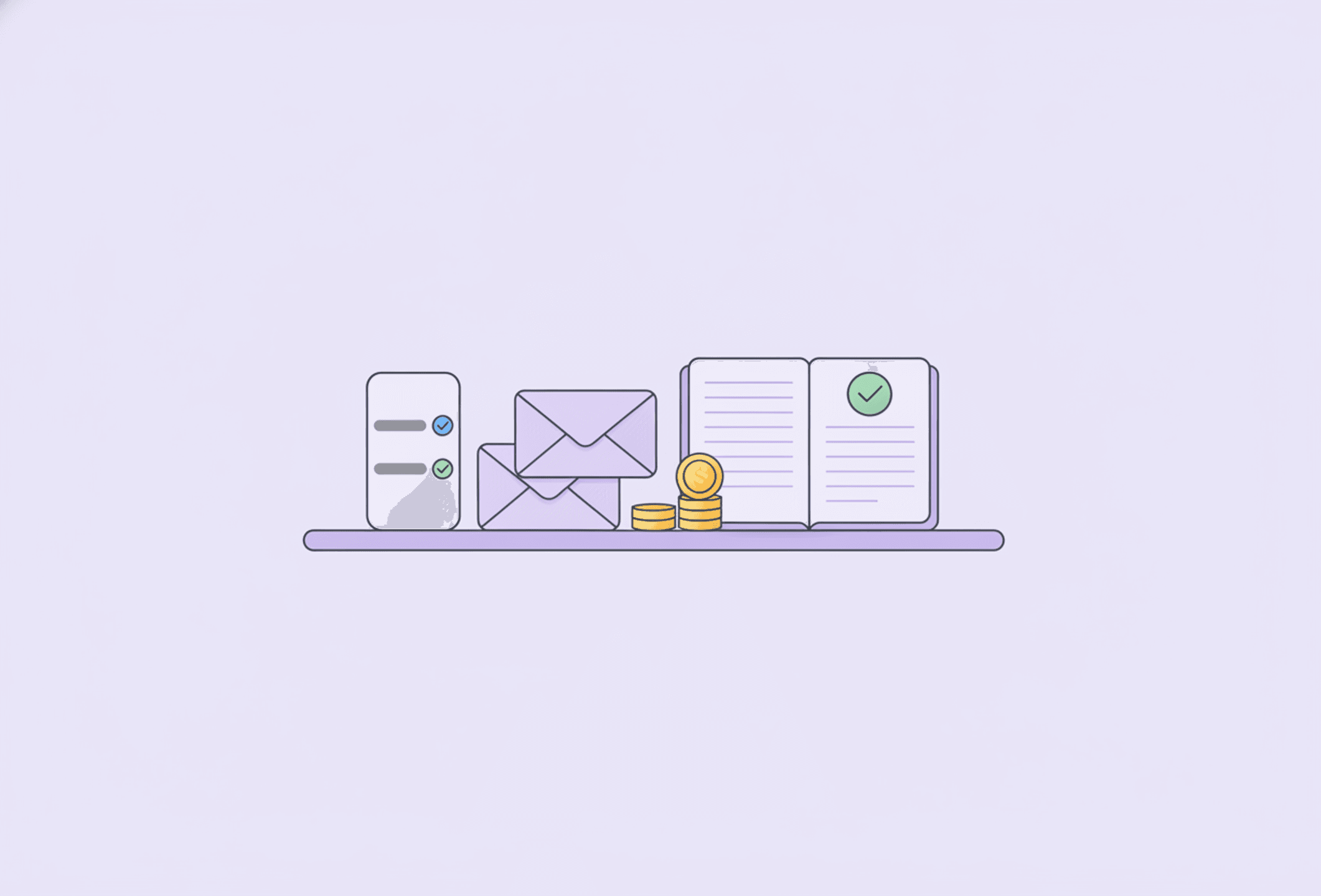
A late fee on a bill you had the money for. A second charger because the first one is somewhere. A subscription you stopped using in March and cancelled in October. A bag of spinach that turned to liquid at the back of the fridge. Individually, small. Together, a steady leak.
The ADHD tax is the extra money and time you pay because of executive function difficulties, not because of carelessness or bad character. It's a genuinely useful term, because it names a pattern instead of blaming a person, and because a pattern can be designed around.
Where the ADHD tax shows up
Most people recognise several of these instantly:
- Late fees and interest on bills you could easily have paid, missed by days rather than by money.
- Subscriptions you no longer use, because cancelling is a small admin task with no deadline.
- Buying it twice, because you couldn't find the first one, or forgot it existed.
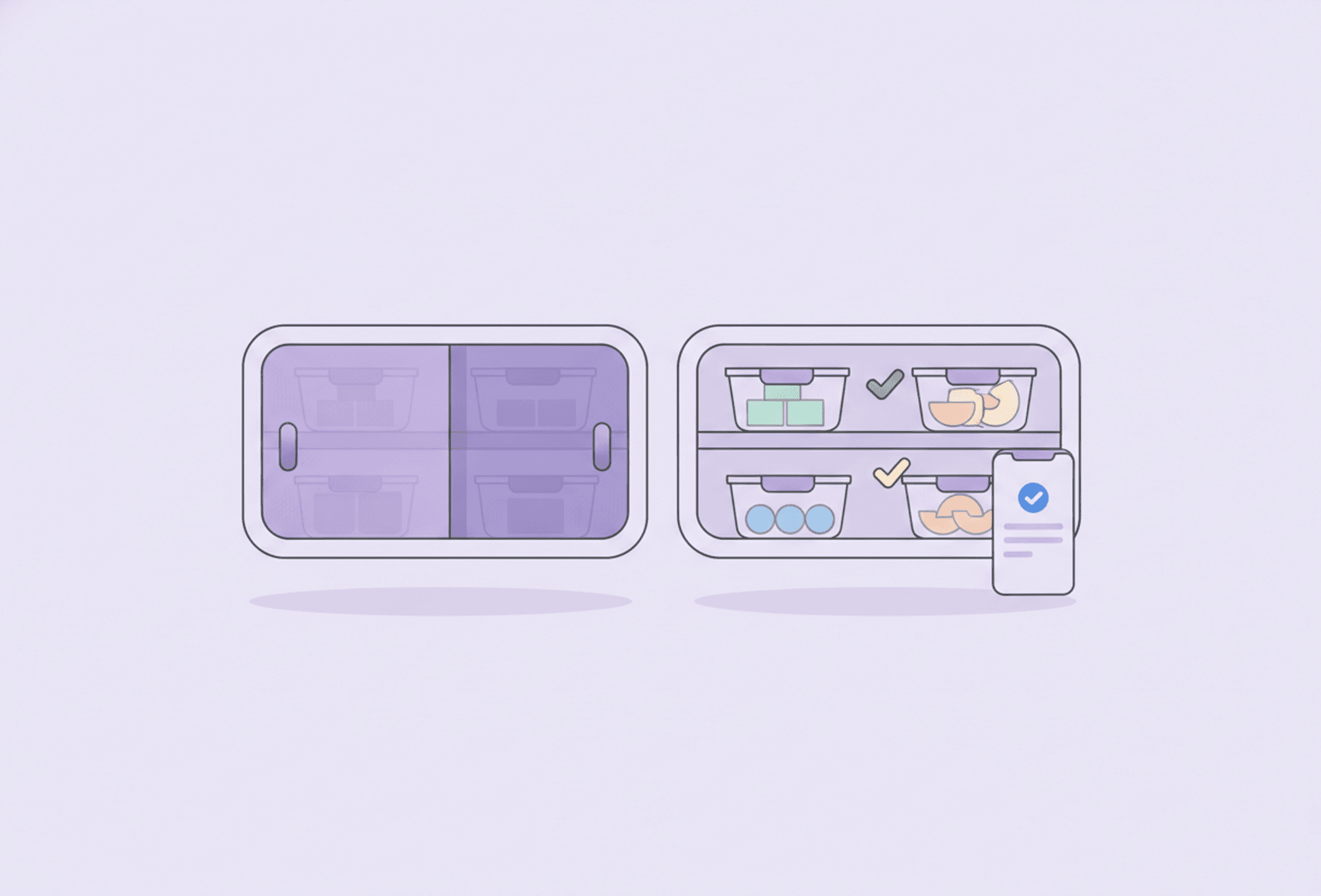
- Food waste, from optimistic shopping and produce that vanishes behind the milk.
- Impulse purchases, bought in a moment of interest that faded before delivery.
- Paying for convenience when the day has already used you up: the taxi, the takeaway, the express shipping.
- Missed appointments with no-show fees, and deposits or warranties that quietly expired.
There's also the version that isn't money: the hours spent looking for things, the mental weight of an unopened envelope, the interest paid in anxiety.
Why it happens
None of this is about not caring. It comes from a handful of very specific mechanisms.
- Time works differently. Deadlines that aren't today aren't real yet, a core part of time blindness, so the bill is fine right up until it isn't.
- Out of sight is out of mind. Post in a drawer, food in an opaque box, a thing put away safely. If you can't see it, it effectively stops existing, the classic object permanence problem.
- Admin is uniquely hard to start. Boring, low reward, often mildly threatening. That's the exact recipe for avoidance, and avoidance turns a five-minute task into a fee.
- Novelty is rewarding. Buying something interesting delivers an immediate hit; the boredom of assembly, returns and cancellation arrives later.
- Shame closes the envelope. Once something feels like a failure, looking at it hurts, so you don't, and it grows. This is the part that compounds.
Automate everything that will hold still
The single biggest lever is removing yourself from the loop. Anything that happens on a fixed schedule should not depend on you remembering it.
- Put every recurring bill on direct debit or autopay.
- Set a standing transfer to savings on payday, so it happens before your attention does.
- Keep a small buffer in the bill account so a bad week doesn't turn into a fee.
- Switch to paperless where the reminder is more reliable than an envelope, and to paper where the envelope is more visible than an email.
Automation isn't a moral shortcut. It's the correct tool when the failure mode is remembering, not deciding.
Make money visible
What you can't see, you can't manage.
- Do one subscription sweep. Open your bank or card statement, read twelve months of recurring charges, and cancel on the spot rather than adding it to a list. This is often the largest single recovery available, and it's a one-evening job.
- Turn on transaction notifications so spending is visible as it happens, not four weeks later.
- Reduce the number of places money lives. Fewer accounts and fewer cards means fewer things to check and fewer things to forget.
Put friction in front of impulse buying
The goal isn't to never buy anything fun, it's to let the interest survive a night.
- Remove saved card details from the shops you use most. Typing sixteen digits is a surprisingly effective pause.
- Use a wishlist as a holding pen and revisit it in a few days. A lot of it will have gone quiet.
- Unsubscribe from the marketing emails that manufacture urgency.
Batch the admin into one recurring slot
Admin has no natural cue, so it needs a manufactured one. Book a short recurring appointment, twenty to thirty minutes, once a week or once a month: open the post, check the balance, deal with anything with a date on it.
Having one predictable slot means individual tasks don't have to be remembered individually, which is the same reason a weekly review works. Give it a nice drink and something to listen to. The point is that it happens, not that it's pure.
Cut the emotional tax too
The money is only half of it. The other half is the shame loop: you notice a mistake, feel bad, avoid the thing, and it gets more expensive, which makes the shame worse.
Breaking that loop is practical, not soft. When you find a forgotten charge, the useful reaction is "what would have caught this?" rather than "what's wrong with me?". Fixing the system reduces next year's tax. Feeling terrible does not, and reliably makes the envelope harder to open.
And it's worth saying plainly: an ADHD tax is not a character flaw with a price tag. It's the predictable cost of running a brain with a weaker internal reminder system inside an economy built on deadlines and defaults. You can lower it a lot with structure, and you'll never get it to zero. Aim for the leaks that cost the most, then let the small ones go.
Read more
Frequently asked questions
What is the ADHD tax?
The ADHD tax is the extra money and time you end up paying because of executive function difficulties: late fees, forgotten subscriptions, buying things twice, wasted food, missed appointments, paying for convenience on depleted days. It's an informal term, not a diagnosis, and it's useful because it describes a pattern rather than blaming a person.
How can I reduce the ADHD tax?
Automate anything on a fixed schedule so it doesn't depend on remembering: direct debits, autopay, standing transfers. Then do one full sweep of your recurring charges and cancel what you don't use, turn on transaction notifications so spending is visible, and put a short recurring admin slot in your week for anything with a date on it.
Why do I keep forgetting to cancel subscriptions?
Because cancelling is a small, boring task with no deadline attached, which is the hardest possible combination to start, and because the charge is invisible once it's automatic. The fix is a single scheduled sweep through twelve months of statements, cancelling on the spot instead of writing a list you'll come back to.
Is the ADHD tax my fault?
No. It's the predictable cost of a weaker internal reminder and time system in a world of deadlines and default settings. Shame makes it worse, because it turns unopened post into something you avoid. The productive question after a mistake is what would have caught it, not what's wrong with you.