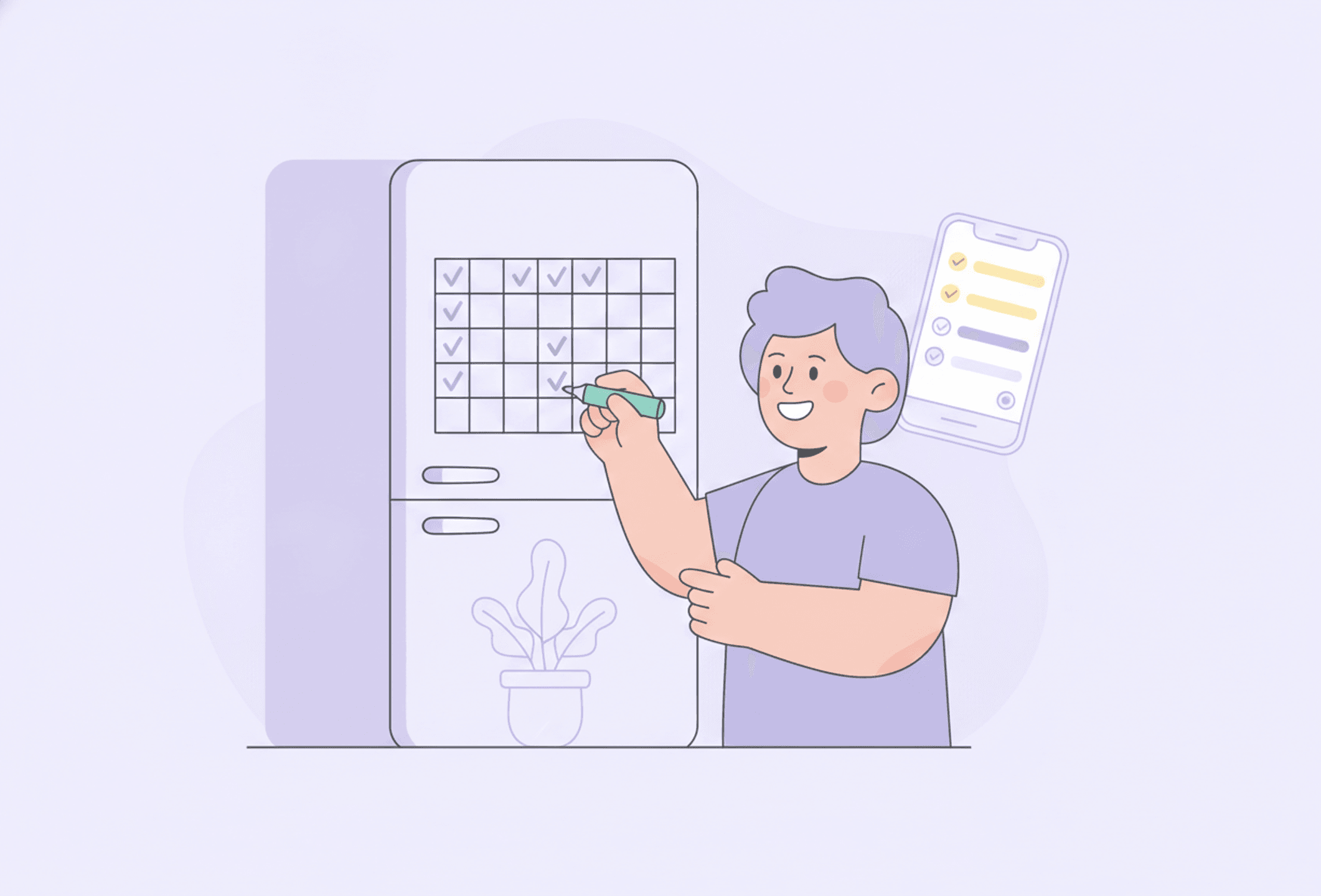


Use Streaks Without Burning Out
A streak can carry you through weeks you'd otherwise skip, right up until you break it and quit entirely. Here's how to keep the motivation without the crash.
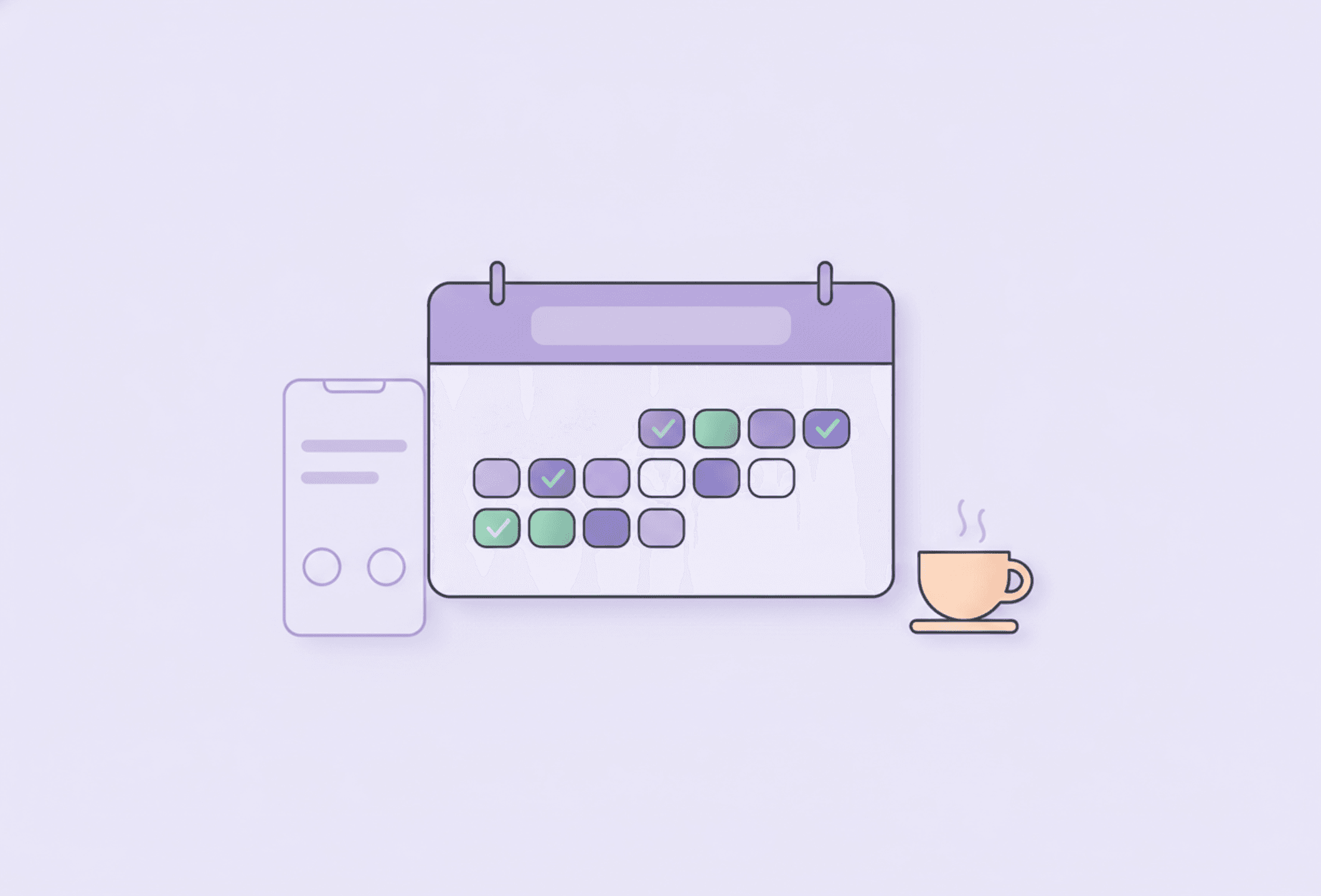
Day 34. You don't especially want to, but you're not breaking a 34-day streak, so you do it. That's a streak working exactly as intended.
Then you get ill, you miss two days, the number resets to zero, and you never go back. That's a streak working exactly as it shouldn't.
A habit streak is a count of consecutive days you've done something, and it's a motivational tool, not the habit itself. Used well it carries you through the low-motivation weeks. Used badly it becomes a fragile thing you're protecting, and the collapse costs you more than the streak ever gave.
Why streaks work so well
The number is visible progress, and visible progress is rewarding in a way that abstract intentions aren't. That matters especially for ADHD brains, where a distant benefit like "better fitness in six months" motivates almost nothing, but a concrete number you can protect today motivates quite a lot.
There's also loss aversion. Once the streak exists, doing the habit stops being about gaining something and starts being about not losing something, and we're wired to fight harder for the second. That's real power. It's also the source of every problem below.
Where streaks go wrong
- The streak becomes the goal. You start doing the minimum that counts, at 11:55pm, purely to keep the number. The habit is now serving the counter instead of the other way around.
- One miss ends everything. Zero feels like failure, and all-or-nothing thinking turns a single skipped day into "I've ruined it", which is a far bigger threat to the habit than the missed day itself.
- It stops you resting. A streak on exercise can push you to train while ill or injured, because stopping costs a number.
- It gets stressful. When maintaining the streak makes you anxious, the tool has stopped helping. That's the clearest signal to change how you're counting.
Never miss twice
This is the single rule that makes streaks safe. Missing one day is noise. Missing two is the start of a new pattern.
So build the rule in before you need it: a miss is allowed, a second consecutive miss is the thing you actually protect against. It removes the all-or-nothing cliff without removing the pressure, and it makes returning after a bad day feel routine rather than like an admission of defeat.
Count differently
If a broken streak sends you off a cliff, change what you're counting.
- Count total days, not consecutive ones. "38 days this quarter" survives a missed Tuesday. It's honest and it doesn't reset.
- Aim for a rate. Five days out of seven, every week. This is much closer to what a sustainable habit actually looks like.
- Bank rest days. Decide in advance that you get, say, four skips a month and they don't break anything. A planned rest isn't a failure, it's part of the design.
All three keep the visible-progress reward while removing the fragility. That's the whole trick.
Keep the streak small enough to survive bad days
Most broken streaks come from a target that only fits good days. If the daily commitment is thirty minutes, the first exhausting week ends it.
Define a minimum version that still counts: one page, five minutes, one set. On a good day you'll do far more, and on the worst day you'll still do the tiny thing and keep the chain intact. This is the same logic as a flexible routine: what survives isn't the ambitious version, it's the one with a floor low enough to step over when you're depleted.
One or two streaks, no more
Six simultaneous streaks means six ways to fail every day, and by the end of the week you're managing a dashboard instead of building a habit. Pick one habit that matters, at most two, and let everything else be untracked. A keystone habit is the best candidate, because it pulls other things along with it.
Retire the streak when the habit is automatic
A streak is scaffolding. Once you brush your teeth without a counter, the counter is doing nothing except giving you something to lose.
When the habit has been stable for a couple of months and happens without deliberation, stop counting. You'll find it keeps happening, which is exactly what you were building towards, and you free up the tracking energy for the next thing. Tracking a habit is a means, and knowing when to stop is part of using it well.
If you've just broken a long one
The number was never the point. The forty days you did are still forty days you did, and none of it is undone by the day you missed.
Do the habit today, once, in its smallest version. That's the whole recovery. Start the count from one again if you like, or don't count at all for a while, but do the thing today, because the habit was always the real streak.
Read more
Frequently asked questions
Are habit streaks good or bad?
Both, depending on how you count. A streak makes progress visible and uses loss aversion to carry you through low-motivation days, which is genuinely powerful. It turns harmful when a single miss resets it to zero and you quit, or when protecting the number starts to matter more than the habit.
What should I do when I break a long streak?
Do the habit today, in its smallest version, and don't wait for a clean start like Monday or the first of the month. The days you already did still happened. Follow the never-miss-twice rule: one missed day is noise, two in a row is the beginning of a new pattern, and that's the thing to protect against.
How do I use streaks without the all-or-nothing crash?
Count total days rather than consecutive ones, or aim for a rate like five days out of seven, and plan a few rest days a month that don't break anything. Also set a minimum version of the habit that still counts on a bad day, so the streak survives weeks when you have very little to give.
How many habits should I track at once?
One, or at most two. Every extra streak is another way to fail each day, and a full dashboard turns tracking into its own chore. Choose a habit that pulls others along with it, like planning your day or getting to bed on time, and leave everything else untracked.