

ADHD in Women: Why It Gets Missed for So Long
Sensitive. Scatty. Dreamy. Too emotional. Not living up to her potential. Why ADHD in women is so often missed, what it actually looks like from the inside, and what helps whether or not you have a diagnosis.
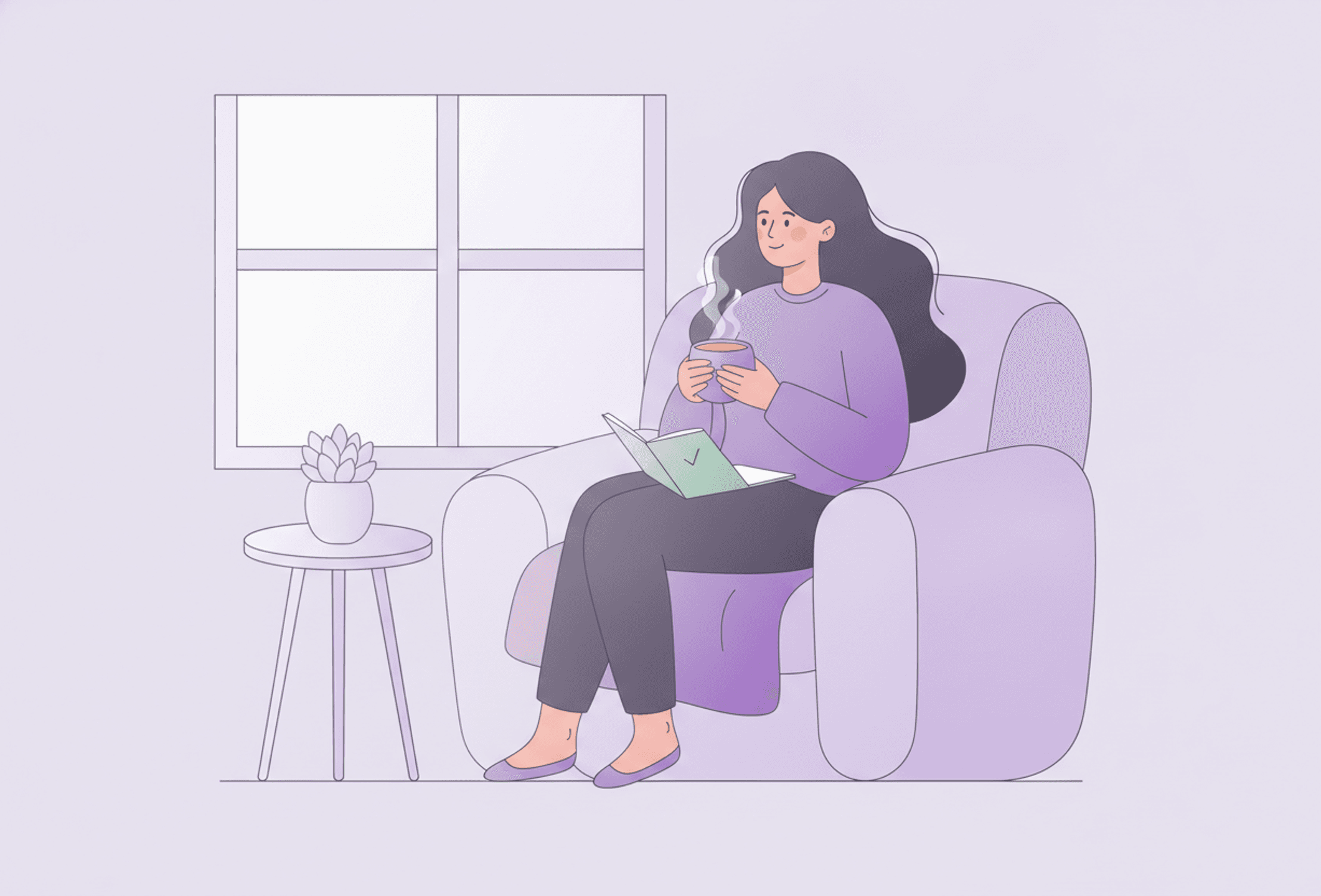
You were thirty-eight when someone finally used the word. Possibly at your own child's assessment, reading the questionnaire and recognising yourself in every line. Before that you had a different set of words: sensitive, scatty, dreamy, disorganised, too much, so emotional, not living up to her potential.
ADHD in women is not a different condition. It is the same condition, more often showing up inattentively, far more heavily masked, and diagnosed years or decades later. The gap is not because women have less ADHD. It is because the picture clinicians were trained to spot came from studies of hyperactive boys, and a quiet, anxious, over-apologising girl who hands her homework in on time does not look like that picture.
This is general information, not medical advice, and nothing here is a diagnostic tool. If it lands, an assessment is a conversation to have with a professional.
Why it gets missed
The template was built on boys. Early ADHD research overwhelmingly studied hyperactive school-age boys, and what came out of it - climbing the furniture, blurting out, running about - became the mental image. The diagnostic criteria have been revised since. The mental image has been slower to update.
Inattentive ADHD is quiet. A child who disrupts a classroom gets referred. A child who stares out of the window, drifts and finishes nothing gets called a daydreamer. One of them becomes a case. The other becomes an adult wondering what is wrong with her.
Good grades hide a lot. Intelligence and anxiety together make a powerful compensation engine. If the work went in - late, at 2am, in a panic, but in - nobody looked any further.
Symptoms get read as personality. Forgetfulness becomes flakiness. Emotional intensity becomes drama. Chronic overwhelm becomes not coping very well. The behaviour gets described in moral terms rather than neurological ones, and the moral description is the one that sticks.
What it actually looks like
Hyperactivity does not vanish in women so much as turn inward. Instead of a body that will not sit still, a mind that will not stop: a running commentary, three conversations replaying at once, tomorrow's list narrating itself at 1am.
Things women describe again and again:
- The competence-chaos split. The presentation goes brilliantly; the expense claim is four months late. Nobody at work would guess.
- Admin as a wall. Not the hard work - the renewal form, the phone call, the appointment rebooked twice. The ADHD tax is where the money and the days quietly go.
- Emotions at full volume, arriving faster and lasting longer than seems proportionate, with a particular sting around criticism - see rejection sensitive dysphoria.
- Tiredness that sleep does not touch, because holding it all together is a second full-time job running underneath the first.
The masking tax
Masking is the effortful performance of being fine: rehearsed small talk, over-preparation, apologising pre-emptively, the elaborate systems built in private so nobody sees the effort. It works - and that is exactly the problem. It works well enough that nobody intervenes, and it costs energy every single hour.
This is why so many women are diagnosed after a change that removes the scaffolding, rather than after some new symptom appears. A baby. A promotion into a role with no structure. A divorce. The load goes up, the capacity does not, and the mask slips. What follows often looks like burnout - and frequently is, sitting on top of undiagnosed ADHD.
Hormones, honestly
A great many women describe symptoms shifting across the menstrual cycle, worsening in the days before a period, and changing again around perimenopause. The reports are consistent enough to take seriously. The research is still comparatively thin, and there is no reliable rule to apply to yourself.
What is practical is to track it. A daily one-line note on mood and how the day went, kept for two or three months, turns a vague sense into a pattern you can actually show someone. That is a far better opening with a clinician than trying to remember how last spring felt.
Late diagnosis is grief as well as relief
Both turn up, usually at the same time. Relief, because there is finally a mechanism instead of a character flaw. Grief for the school reports, the jobs that did not work out, and the years of trying harder at something that was never a trying-harder problem.
Give the grief room. Re-reading your own history with a better explanation is real work and it does not happen in an afternoon.
What helps, diagnosis or not
None of this requires a piece of paper.
Externalise everything. Working memory is not where your life should live. One capture point, always within reach - a second brain on paper or in an app.
Structure instead of willpower. Visible routines with visible steps, so the day is not rebuilt from scratch every morning. An app like Stedo - free to start - holds the routine so you do not have to.
Lower the bar on purpose. A minimum version of each essential thing, low enough to survive a bad week. Perfectionism plus ADHD is the specific combination that produces the crash.
Take the mask off somewhere. One person, one room, one context where you do not perform fine. That is not indulgence. It is how the energy comes back.
Read more
Frequently asked questions
Why is ADHD so often missed in women?
Because the recognisable picture came from research on hyperactive boys, and the inattentive presentation that is more common in girls is quiet and disruptive to nobody but the person having it. Add strong compensation through intelligence and anxiety, plus symptoms being read as personality traits like flaky or over-emotional, and there is nothing obvious for a teacher or GP to refer.
Does ADHD look different in women?
It is the same condition, but hyperactivity more often turns inward - a mind that will not stop rather than a body that will not sit still. Common descriptions include a split between visible competence and hidden chaos, admin tasks acting as a wall, emotions arriving at full volume, and exhaustion from constantly holding it together.
What is masking, and why does it matter?
Masking is the effortful performance of being fine: over-preparing, rehearsing conversations, apologising in advance, building private systems so nobody sees the struggle. It matters because it works well enough to prevent anyone from intervening, while costing energy every hour. It is also why diagnosis often follows a life change that removes the scaffolding rather than a new symptom.
Is it worth seeking an assessment as an adult?
That is a decision to make with a professional, and this article is not a diagnostic tool. What helps the conversation is evidence rather than recollection: a few months of short daily notes on mood and how days went, plus concrete examples from school, work and home. Many of the practical strategies are worth adopting regardless of the outcome.