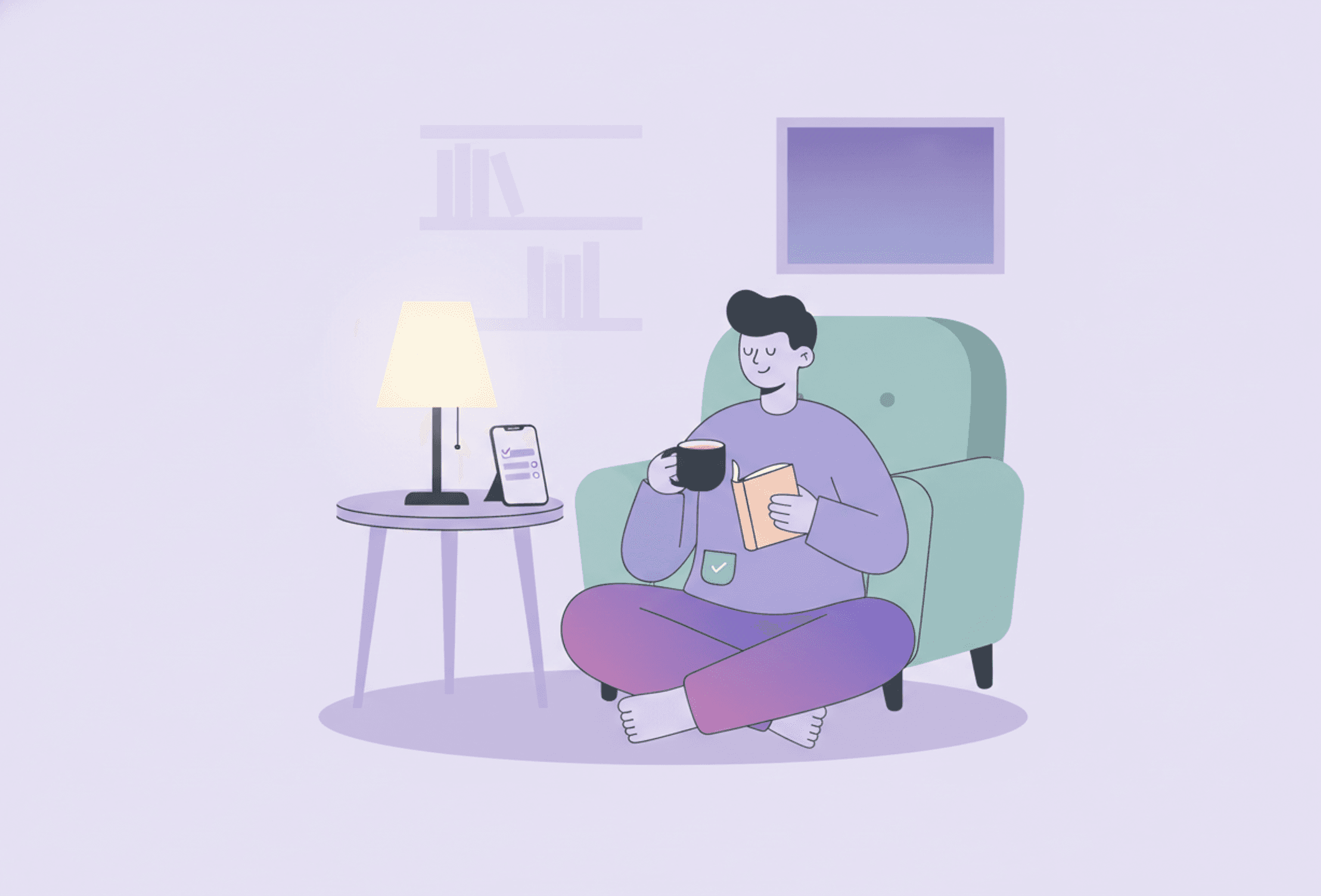


A Daily Shutdown Routine to End the Workday
If the workday never really ends and the open loops keep pinging, a daily shutdown routine closes the day cleanly so your evening is actually yours. Here is how.
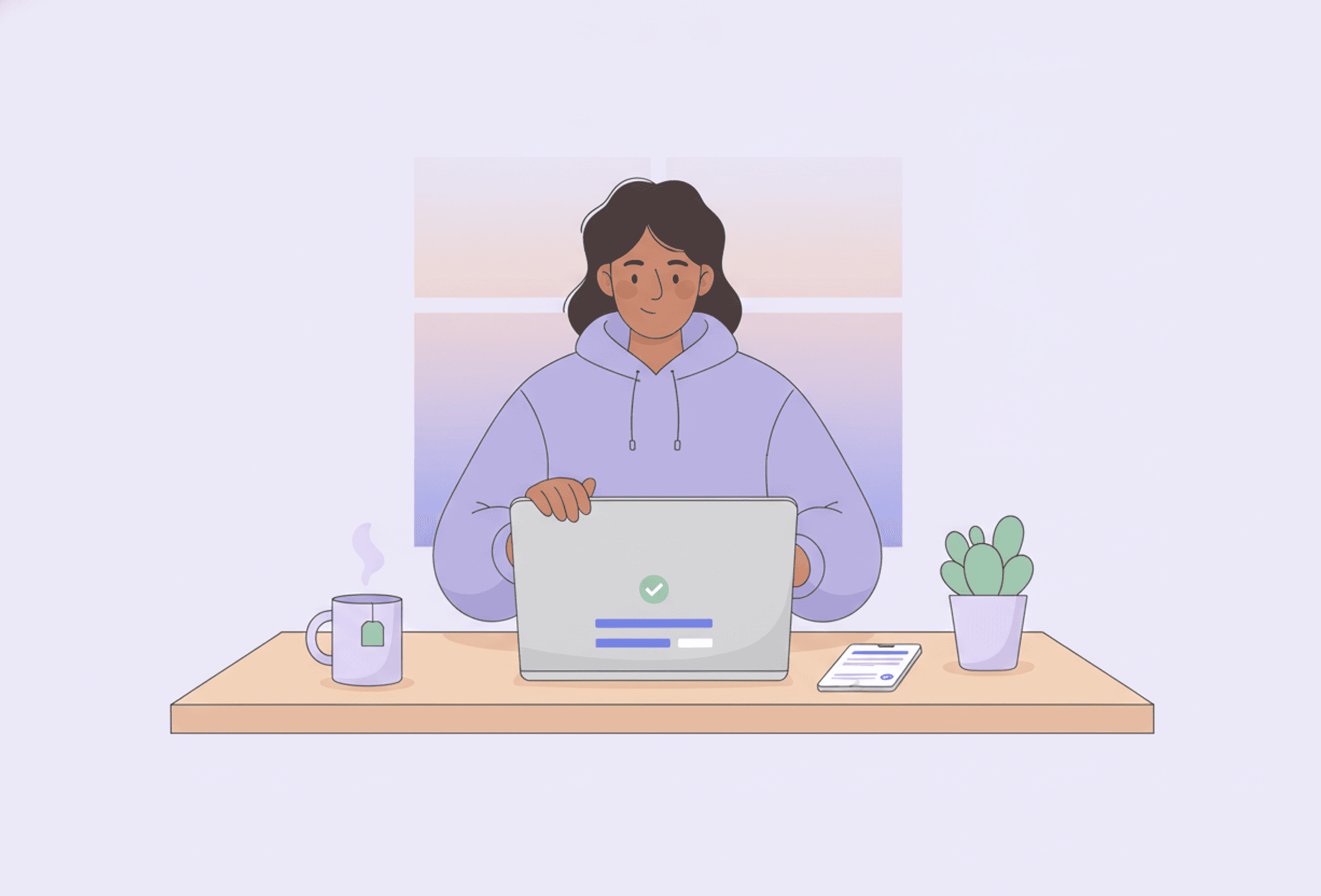
For a lot of people, and especially ADHD brains, the workday never really ends. You stop working, but the open loops keep pinging: that email you did not send, the thing you must not forget tomorrow, a low hum of am I done. A daily shutdown routine fixes that. It is a short ritual that closes the day cleanly so your evening is actually yours. Here is how.
What a shutdown routine is
A shutdown routine is a brief, repeatable sequence you run at the end of your work, usually five to fifteen minutes, to wrap up loose ends, set up tomorrow, and mark a clear line between working and done. The point is not to do more work; it is to close the loops so your brain can let go.
Why it helps ADHD especially
ADHD brains struggle with transitions and with holding open loops. Without a clear stop, work thoughts leak into the evening, and you never feel finished, which is draining and bad for rest. A shutdown routine gives you the clean ending that does not happen on its own: it offloads what you are carrying onto paper, and the ritual itself signals work is over in a way a vague stop never does.
A simple shutdown checklist
Keep it to a handful of steps:
- Review the day. Glance at what you got done. Naming the wins matters, even small ones.
- Capture loose ends. Anything still in your head, half-finished tasks, things you must not forget, write down so you can stop holding them.
- Glance at tomorrow. Check the calendar and decide your first task, so the morning has a starting point. (Pairs with planning your day.)
- Tidy the space. Close tabs, clear the desk, shut the laptop. A tidy stop helps a tidy start.
- Say you are done. A small cue, a phrase, closing the laptop, a walk, tells your brain the day is over.
Keep it short and make it a ritual
A shutdown routine only works if you actually do it, so keep it to a few minutes and run it the same way each day until it is automatic. The consistency is what turns it from a chore into a signal: your brain learns that this sequence means work is finished, you can rest now.
Especially if you work from home
When work and home share the same space, the boundary disappears and work bleeds into everything. A shutdown routine becomes the boundary: it is the commute that tells your brain you have left the office, even when the office is your kitchen table. Without it, remote work never switches off.
The payoff
A daily shutdown trades five minutes for an evening that is genuinely off, fewer 9pm oh-no-I-forgot jolts, and a calmer start tomorrow. It is the bookend to your morning routine; pair the two and your day has a clear beginning and a clear end. (Morning routine ideas.)
Read more
Frequently asked questions
What is a daily shutdown routine?
A short, repeatable sequence at the end of your workday, usually five to fifteen minutes, to wrap up loose ends, set up tomorrow, and mark a clear line between working and done, so work does not bleed into your evening.
Why is a shutdown routine good for ADHD?
ADHD makes transitions and letting go of open loops hard, so work thoughts leak into the evening and you never feel finished. A shutdown routine offloads what you are carrying and signals work is over, giving a clean ending that does not happen on its own.
What goes in a shutdown routine?
Review what you got done, capture loose ends on paper, glance at tomorrow and pick your first task, tidy your desk and close tabs, and give yourself a clear done cue like a phrase or closing the laptop.
How do I stop thinking about work after hours?
Run a short shutdown routine: write down everything still in your head so you can stop holding it, decide tomorrow's first task, and use a consistent end-of-day cue. The ritual tells your brain it is safe to switch off.