

ADHD Task Paralysis: How to Get Unstuck
You have a hundred things to do, you know they're important, and you're frozen, stuck on the sofa, doing none of it. ADHD paralysis is real and it isn't laziness. Here's how to thaw out.
You have a hundred things to do. You know they matter. You can feel the pressure building. And yet you are completely stuck, frozen on the sofa, scrolling, unable to start a single one. This is ADHD paralysis, that maddening state where having too much to do somehow results in doing nothing at all. It is not laziness, and understanding what's actually happening is the first step to getting unstuck.
What ADHD paralysis is
ADHD paralysis isn't an official diagnosis, it's a widely used term for the freeze response that happens when an ADHD brain gets overwhelmed. The executive functions you'd need to prioritise, choose, and start all jam at once, and the result is a kind of shutdown. People usually describe it in a few flavours:
- Task paralysis — so much to do that you can't start anything, you just freeze.
- Choice paralysis — too many options and you can't pick one, so you pick none.
- Mental paralysis — so much information or stimulation that your mind goes blank and foggy.
They overlap, and they all share the same maddening feature: the more it matters, the more stuck you get.
Why it happens
The freeze isn't a character flaw, it's an overload. A few things drive it:
- Overwhelm. When everything feels urgent and equally large, the brain can't find a place to start, so it stalls. This is the overwhelmed-to-do-list feeling taken to its extreme.
- Executive dysfunction. Prioritising and initiating are exactly the skills ADHD makes harder, and paralysis is what it looks like when they're maxed out.
- Fear and perfectionism. Sometimes the freeze is really avoidance, of doing it wrong, of how hard it'll be, of finishing something you'll be judged on.
- A drained battery. Paralysis often hits when you're already exhausted, and a depleted brain has nothing left to push with.
How to get unstuck
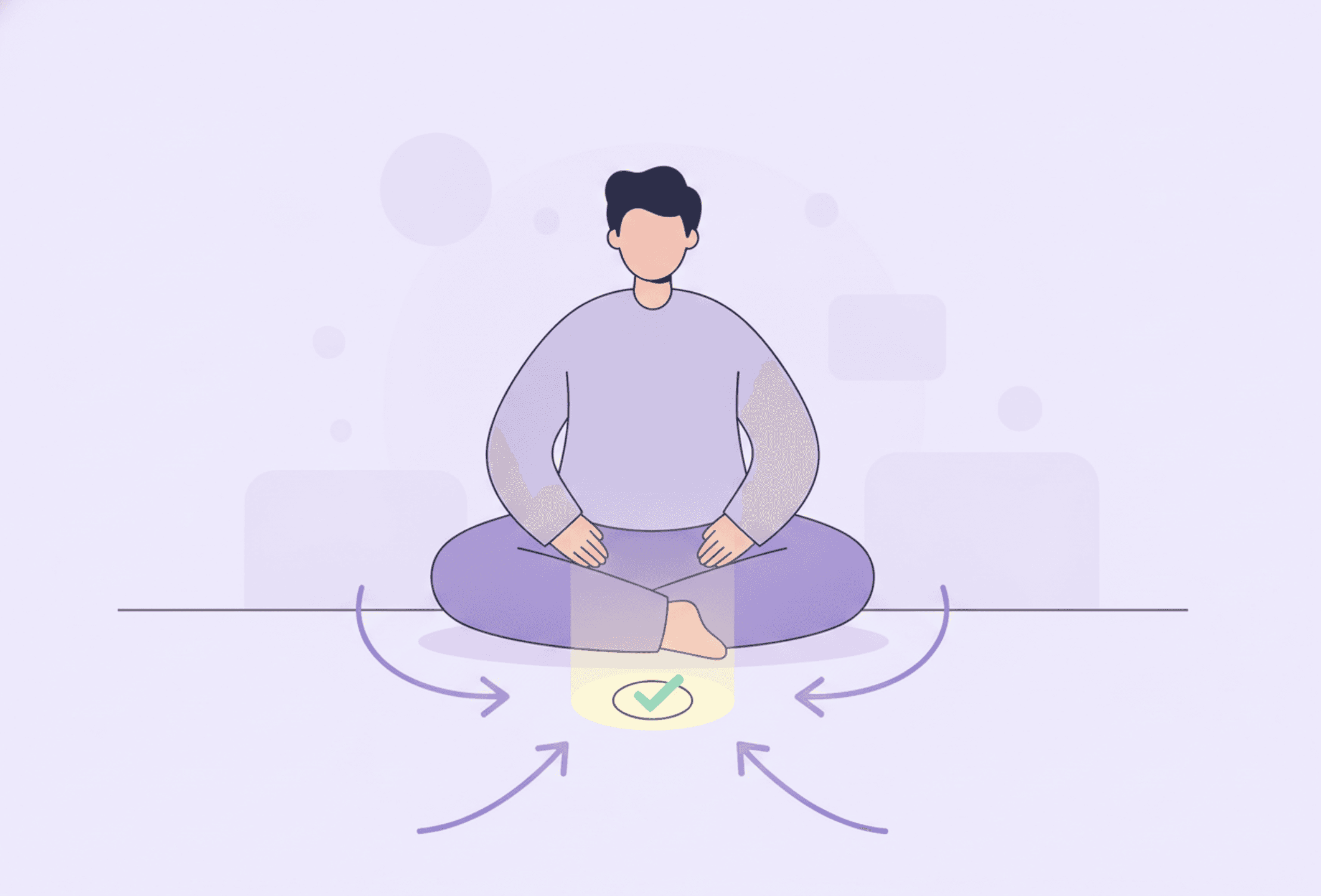
The key is to stop trying to tackle everything, the everything is what froze you, and shrink the world down to one tiny action. Be gentle; force makes the freeze worse.
- Pick one thing, any thing. Don't agonise over the right task. When you're paralysed, doing almost anything beats doing nothing, because the goal right now is just to break the freeze.
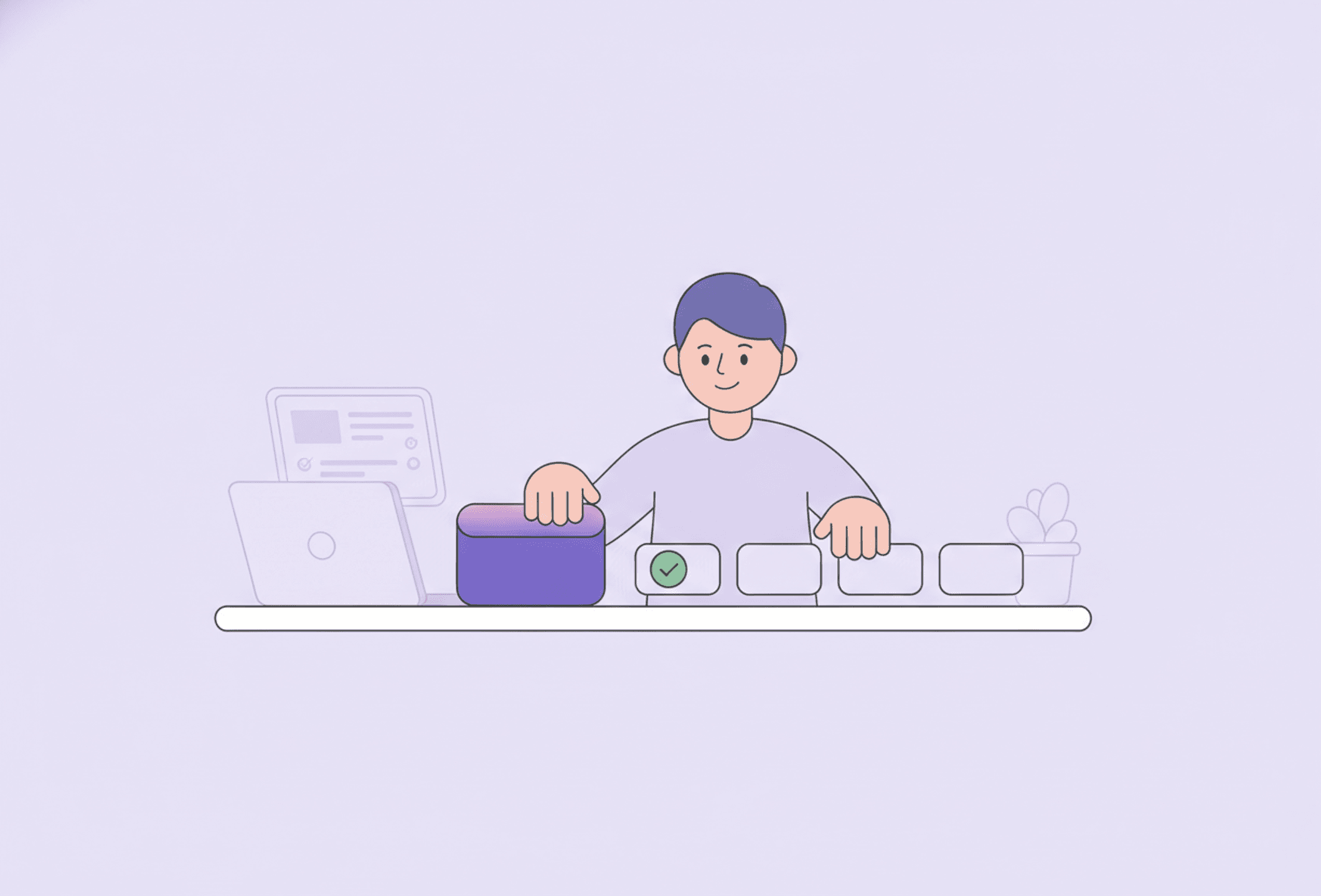
- Make the first step absurdly small. Not clean the kitchen but put one cup in the sink. Not do my taxes but open the folder. Shrink it until it feels almost too easy to bother, then do that. This is the heart of both breaking tasks down and getting started.
- Set a five-minute timer. Promise yourself you'll stop when it goes off. Five minutes is small enough to disarm the dread, and starting is usually the hardest part, momentum often carries you past the timer.
- Change your physical state. Stand up, stretch, drink some water, step outside, put on a song. Paralysis is partly a frozen body, and a small jolt of movement can break the spell.
- Lower the bar, on purpose. Aim for done badly, not done perfectly. A messy start you can fix beats a perfect plan you never begin. Permission to do it imperfectly is often the exact thing that releases the freeze.
- Borrow some momentum. Text a friend what you're about to do, or work alongside someone (in person or virtual). External presence and gentle accountability make starting much easier.
Be kind to yourself
The cruellest part of ADHD paralysis is the guilt, you're frozen and beating yourself up for being frozen, which only adds stress and deepens the freeze. Talking to yourself the way you'd talk to a stuck friend isn't soft, it's strategic: lowering the emotional load frees up the very capacity you need to move. You're not lazy or broken. Your brain is overloaded, and overload has an exit, one tiny step at a time.
The takeaway
ADHD paralysis is a freeze response to overwhelm, not a failure of will. You break it by shrinking the world to one absurdly small step, setting a five-minute timer, moving your body, lowering the bar to done badly, and being kind to yourself while you do it. You don't have to do everything to get unstuck, you just have to do the next tiny thing.
Read more
Frequently asked questions
What is ADHD paralysis?
ADHD paralysis is an informal term for the freeze response that happens when an ADHD brain gets overwhelmed: having so much to do that you do nothing at all. It shows up as task paralysis (can't start), choice paralysis (can't pick), or mental paralysis (mind goes blank). It's an overload of executive function, not laziness.
Why do I freeze when I have too much to do?
When everything feels urgent and equally large, the executive functions you'd use to prioritise, choose and start all jam at once, and the brain stalls. Fear, perfectionism and being already exhausted make it worse. The more something matters, the more stuck you tend to get, which is the cruel signature of paralysis.
How do I get out of ADHD paralysis?
Shrink the world to one tiny action instead of tackling everything. Pick any one thing, make the first step absurdly small (put one cup in the sink, open the folder), set a five-minute timer, change your physical state by moving, and lower the bar to done badly. Be gentle, force makes the freeze worse.
Is ADHD paralysis the same as laziness?
No. Laziness is not wanting to do something; ADHD paralysis is desperately wanting to and being unable to start because your brain is overloaded. The guilt that comes with it adds stress and deepens the freeze, which is why self-compassion is genuinely part of the fix.