

How to Prioritise Tasks (the ABC Method)
When everything feels equally urgent, you freeze. Prioritising isn't about doing more, it's about deciding what matters today. Here's the simple ABC method to sort a messy list fast.
A long to-do list feels productive, but it's not a plan, it's a pile. When every item looks equally important, your brain can't choose, so it either freezes or grabs whatever is loudest or easiest, which is rarely what matters most. Prioritising fixes this. It's not about doing more, it's about deciding what actually deserves today.
Why prioritising is so hard (especially with ADHD)
If choosing what to do first feels strangely difficult, you're not imagining it. A few things make it hard:
- Everything feels urgent. Without a system, a tiny email and a major deadline can feel like the same size, so you treat them the same.
- Urgent drowns out important. The loud, time-pressured stuff grabs your attention while the things that truly matter quietly slip.
- Choosing is tiring. Every decision spends mental energy, and for ADHD brains a wall of undifferentiated choices can trigger straight-up task paralysis.
Prioritising is really just making those decisions once, on purpose, instead of re-litigating them all day.
The ABC method
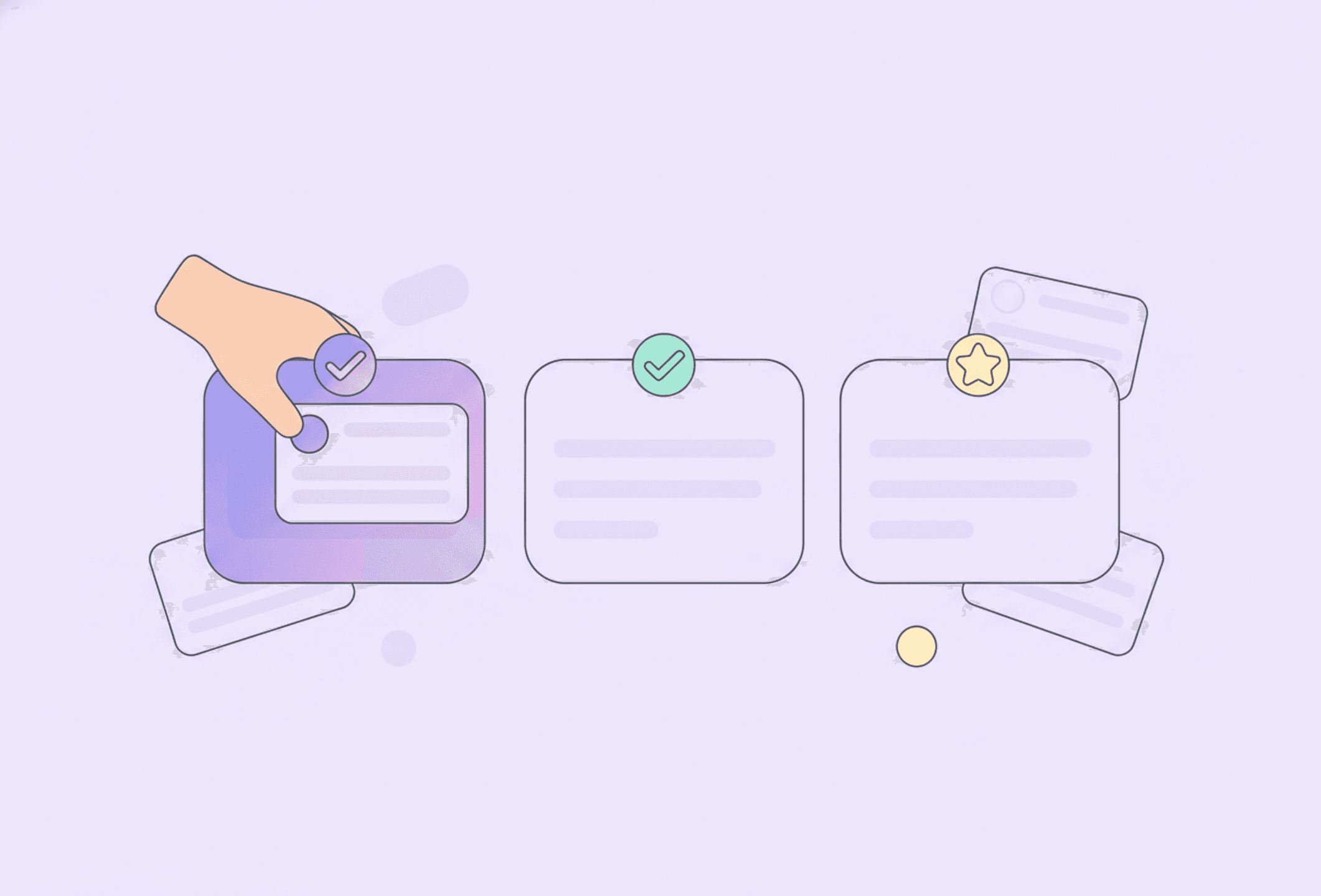
The ABC method is one of the simplest ways to prioritise, and simple is exactly what you want when your list is overwhelming. Go down your list and label each task:
- A — must do today. Important and time-sensitive: real consequences if it doesn't happen. Keep this list short, ideally just one to three things.
- B — should do. Matters, but the world won't end if it waits until tomorrow. These get done after the A tasks, or roll forward.
- C — nice to do. Minor or optional. Do them if you have time and energy left, or let them sit. Many C tasks quietly disappear, and that's fine.
Then the rule is simple: do your A tasks first. Not the easy ones, not the loud ones, the A ones. If you only get your A tasks done, it was still a good day.
Sharpen it: which A goes first?
If you have two or three A tasks, don't just start with the most appealing one. Order them by impact and do the biggest, most dreaded one first, the classic eat the frog move. Getting the hardest important task out of the way early means the rest of the day is downhill, and you've already guaranteed a win.
When you can't tell important from urgent
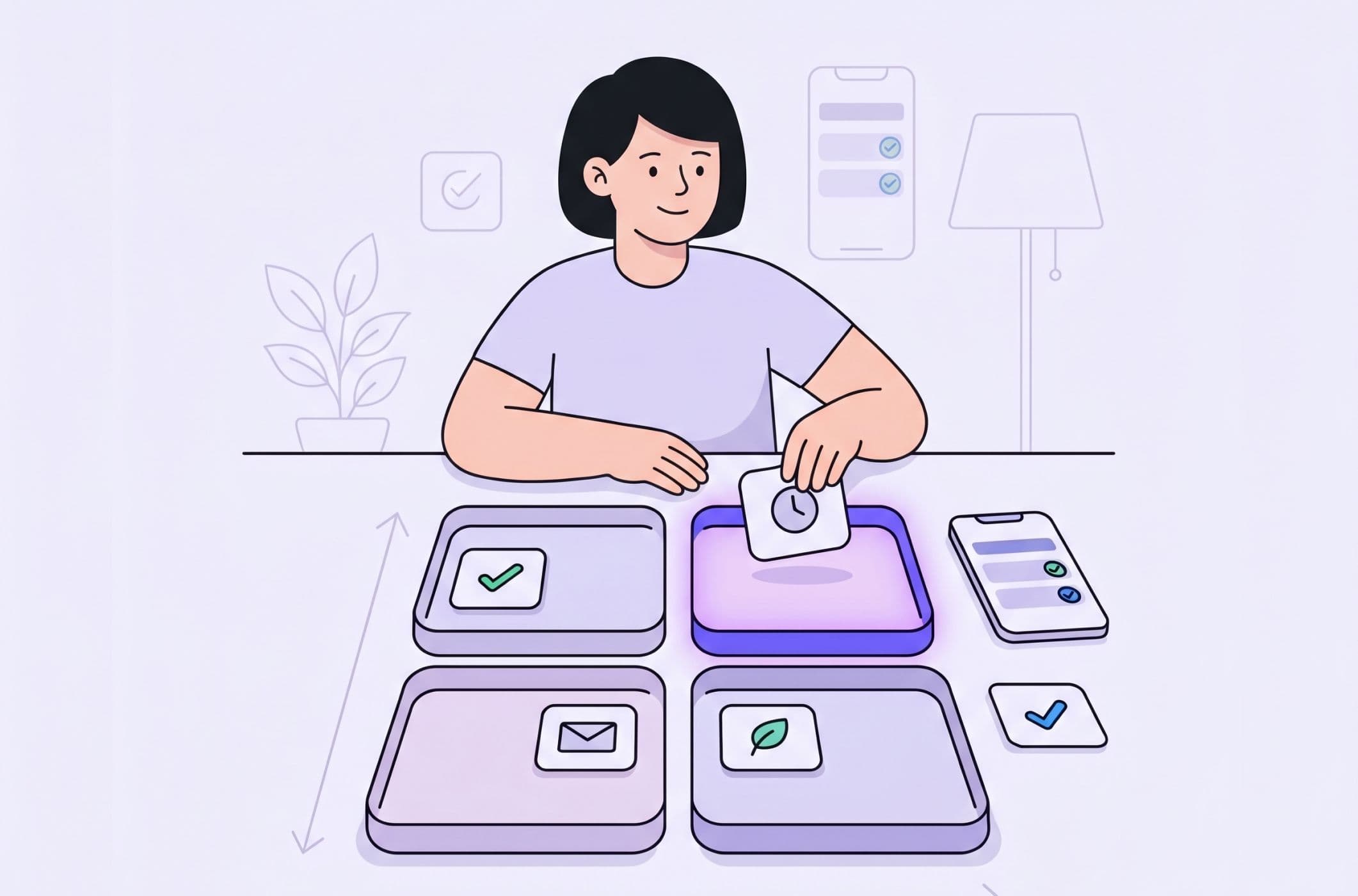
ABC works on a daily list. When you're stuck on whether something is genuinely important or just loud, zoom out with the Eisenhower matrix: sort tasks by urgent vs important on a simple 2×2. The key insight it gives you is that urgent and important aren't the same thing, and most of us spend too long on urgent-but-unimportant busywork while the important-but-not-urgent things, the ones that actually move your life, get neglected.
Make it a daily habit
Prioritising isn't a one-off, it's part of planning the day. Each morning (or the night before), look at your list and label it before you start working. It takes two minutes and it's the difference between reacting to your day and deciding it. Build it into the way you plan your day and it stops being a separate chore.
The takeaway
You can't do everything, and trying to is why the list feels crushing. Label each task A, B or C, keep your A list short, do the A tasks first and the biggest A before the rest. Prioritising isn't about squeezing in more, it's about making sure the few things that matter actually happen.
Read more
Frequently asked questions
What is the ABC method for prioritising?
It's a simple way to sort a to-do list: label each task A (must do today, important and time-sensitive), B (should do, but can wait), or C (nice to do, optional). Keep your A list short, ideally one to three things, and do the A tasks first. If you only finish your A tasks, it was still a good day.
How do I prioritise when everything feels urgent?
That feeling is the problem prioritising solves. Force a distinction: not everything can be an A. Ask what has real consequences today versus what just feels loud. The Eisenhower matrix helps here, it separates urgent from important, and most overwhelm comes from urgent-but-unimportant busywork crowding out what truly matters.
Which task should I do first?
Do your most important task first, not the easiest or loudest. If you have two or three A tasks, order them by impact and tackle the biggest, most dreaded one first (eat the frog). That guarantees a win early and makes the rest of the day easier.
Why is prioritising so hard with ADHD?
Without a system every task can feel the same size, urgent stuff drowns out important stuff, and each decision spends mental energy. For ADHD brains a wall of undifferentiated choices can trigger task paralysis. Labelling the list once, on purpose, turns many small decisions into one.